
24/7 Customer Support

Free returns

Same-day & Next-day Delivery

Quality Guaranteed

Unlock Your Welcome Offers: FREE Delivery | Up to 80% OFF | Free 30-day JoyPlus trial
Download the APP
Buying frozen raw prawns can be a practical way to keep seafood ready for quick dinners, weekend barbecues and larger gatherings. However, pack photographs and phrases such as “jumbo”, “premium” or “restaurant-style” do not tell the full story. The details that affect value are usually the piece count, net weight, format, ingredients and storage instructions.
Whether you are searching for head-on shell-on prawns, frozen king prawns or whole prawns for a barbecue, use the guide below to compare products more accurately and avoid common buying mistakes.
Prawn sizing is usually shown as a range such as 20/30, 30/40 or 40/50. This indicates the approximate number of prawns per kilogram. A lower number generally means larger individual prawns.
For example:
A “1kg” label alone does not tell you how many pieces you will receive. Always check both the weight and count range.
Frozen prawns may have added water or an ice glaze to help protect the product during storage. This is not automatically a problem, but the declared net weight is the figure to compare. Some products also show a pack weight and a smaller seafood net weight, particularly larger prawns sold with seasoning or other components.
For instance, a product labelled 1kg may specify a lower prawn net quantity. Read the ingredients and quantity information before comparing prices.
Whole prawns are often head-on and shell-on, sometimes abbreviated as HOSO. This format can help retain moisture during cooking and allows the shells and heads to contribute flavour to stocks and sauces. It also means more preparation at the kitchen counter.
If you prefer convenience, look for peeled or deveined formats. If presentation, grilling or making seafood stock matters more, whole prawns can be a suitable choice.
Common options include raw vannamei prawns, also known as whiteleg prawns, and black tiger prawns. Vannamei products are widely available in different sizes, including Ecuadorian prawns in 20/30, 30/40 and 40/50 grades.
Black tiger prawns are commonly recognised by their firmer texture and larger appearance, although cooking results still depend on size, thawing and preparation. Origin can also help you distinguish products, but it should not be treated as a guarantee of flavour or quality. Check the label for the stated species and country of origin rather than relying on front-of-pack descriptions.
IQF prawns are individually quick frozen, so you can usually remove the portion required without thawing the whole pack. This is useful for households cooking different quantities throughout the week and for caterers managing portion control.
Block-frozen prawns are frozen together in a solid mass. They can work well for larger planned meals, but they may require more careful portioning and thawing. Choose IQF when flexibility is important; choose block packs when buying in bulk for a restaurant, event or regular seafood menu.
Raw prawns may contain water and an antioxidant such as E223 sulphites. Sulphites must be considered when checking the label, alongside the legally recognised allergen crustaceans. Some products may also state potential cross-contact with fish or molluscs.
Keep frozen products at -18°C or below, follow the packaging instructions and do not refreeze once thawed. Raw prawns must be cooked thoroughly before eating. Thaw in the refrigerator where possible, keep them separate from ready-to-eat food, and wash hands, utensils and surfaces after handling.
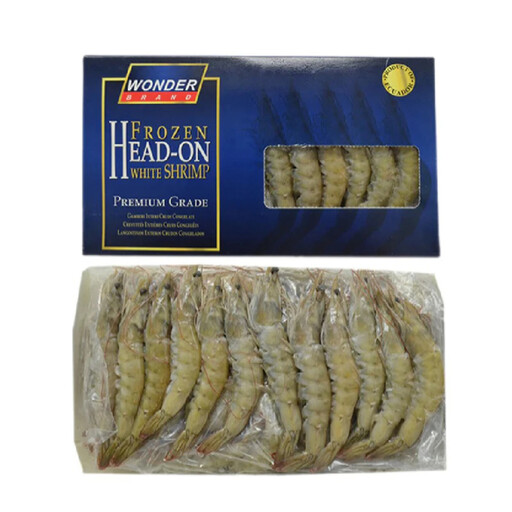
Why This Fits Their Persona: The 40/50 count and 1kg pack suit families wanting flexible portions for curries, stir-fries and noodle dishes without committing to extra-large prawns.
The stated approximate piece count makes the serving size clearer than a vague “large” description, while IQF freezing supports portion control.
1kg pack; approximately 40–50 prawns; individually frozen format; contains crustaceans and sulphites.
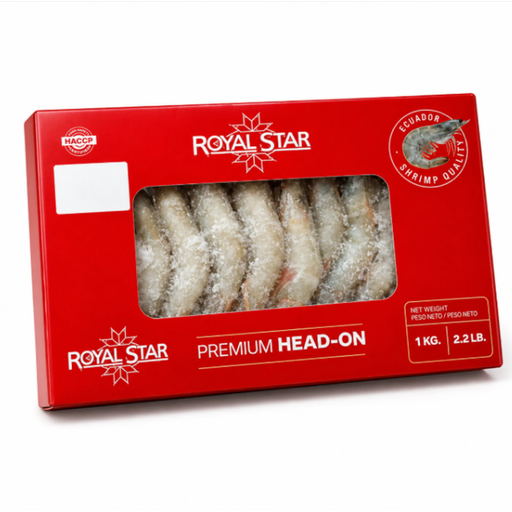
Why This Fits Their Persona: Large whole prawns make a substantial centrepiece for a dinner party, seafood platter or carefully presented paella.
The 20/30 size specification confirms that the product is in a larger count range, rather than relying only on “XL” wording.
Ecuadorian vannamei; head-on and shell-on format; 20–30 pieces per kilogram; individually frozen according to the product description.
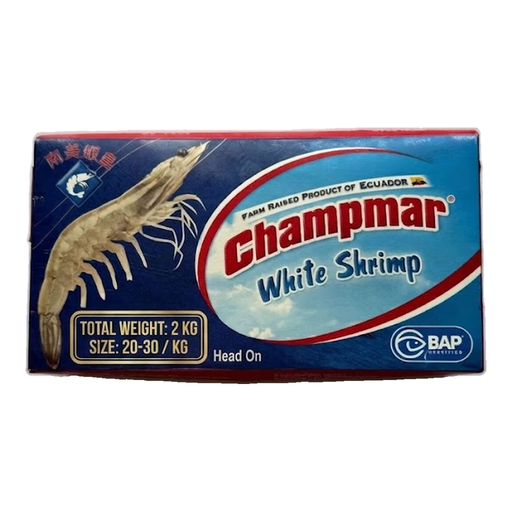
Why This Fits Their Persona: The larger count range and 2kg format are suited to garden barbecues, group meals, catering or restaurants serving whole prawns regularly.
The pack states both the 20/30 count and 2kg block format, helping buyers plan portions instead of paying for an unsuitable small pack.
2kg quantity; whole vannamei prawns; suitable for barbecues, grilling and sharing platters; requires thorough cooking.
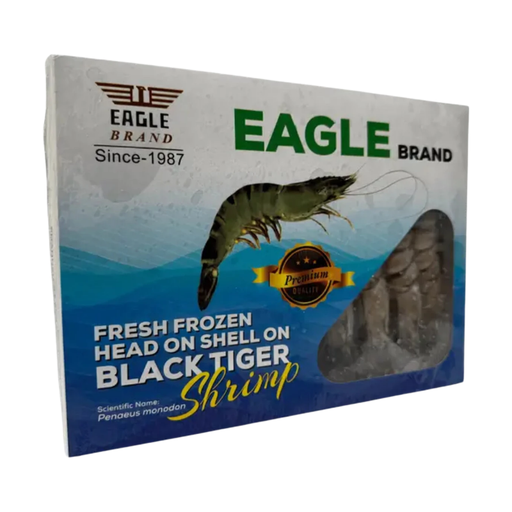
Why This Fits Their Persona: The 16/20 size is aimed at shoppers who want very large prawns for pan-frying, grilling or hot-pot meals.
The count range is clearly stated, allowing a direct comparison with smaller frozen king prawns and other whole formats.
16–20 pieces per kilogram; head-on and shell-on; listed for grilling, pan-frying and hot-pot cooking.
We have compiled a complete, real-time list of products that fully satisfy these strict selection criteria and UK safety regulations.
For most products, thaw the required quantity in the refrigerator, then rinse if the label instructs you to do so and pat dry. Removing excess surface water helps prawns sear rather than steam.
Cook until the flesh is opaque and firm, with the outside turning pink or orange. Follow the product label’s temperature guidance; where a specific temperature is not given, cook thoroughly until piping hot. Do not rely on colour alone for safety, particularly when cooking large prawns on a barbecue. Shell-on prawns may take longer than peeled prawns, and cooking time varies with size and method.
Use separate utensils for raw seafood and cooked food, and do not refreeze thawed prawns.
Yes. Large head-on shell-on prawns are suitable for grilling when thawed safely and dried before cooking. Brush with oil or seasoning, cook over a properly heated grill and turn until opaque and piping hot throughout. A 20/30 or 16/20 count is easier to present on a sharing platter than smaller prawns.
It depends on the size grade. A 20/30 pack contains approximately 20 to 30 prawns per kilogram, while a 40/50 pack contains approximately 40 to 50. The actual quantity can vary, so treat the range as a guide rather than an exact count.
Follow the product label first. Many packs advise cooking promptly or consuming within one to two days after refrigerated thawing. Keep the prawns covered, refrigerated and separate from ready-to-eat foods. Never refreeze them after thawing.