
24/7 Customer Support

Free returns

Same-day & Next-day Delivery

Quality Guaranteed

Unlock Your Welcome Offers: FREE Delivery | Up to 80% OFF | Free 30-day JoyPlus trial
Download the APP
Frozen raw prawns are a practical freezer staple for quick family meals, entertaining and restaurant-style cooking at home. However, product descriptions can make very different formats sound similar. A large pack may contain fewer prawns than expected, while a product labelled “king prawns” may still require peeling, deveining and careful portioning.
Before you buy prawns online, check three details: the count or size grade, the preparation format and the net drained weight. These specifications usually matter more than phrases such as “premium”, “restaurant quality” or “fresh-locking”.
Some frozen prawns are sold in a pack that includes added water, glazing or stabilisers. The stated net quantity may not equal the drained seafood weight. For example, a product described as 1kg may have a lower net drained weight shown separately on the label.
Compare the drained or net prawn weight, not only the outer pack size. This gives a more realistic basis for comparing value.
Prawn counts are often expressed as pieces per kilogram or per pound. A 20–30/kg grade contains larger prawns than a 40–50/kg grade. Large prawns are useful for grilling and presentation, while smaller prawns distribute more evenly through fried rice, soups and noodle dishes.
A larger size is not automatically more suitable. It may be less practical for recipes where prawns need to be mixed through a sauce or rice.
Head-on shell-on prawns can retain moisture during cooking and provide shells for stocks, but they need more preparation and create waste. Peeled and deveined prawns are quicker to use, although the product may contain water, salt or stabilisers.
All prawns are crustaceans, a regulated allergen in the UK. Some products also list sulphur dioxide or sulphites, such as preservative E223. Always read the ingredients and allergen statement, particularly when cooking for guests.
Use the size grade to match the dish:
The count is an approximate grading convention, so individual pieces can vary slightly.
Choose the preparation style according to the time available and the intended presentation:
Keep frozen raw prawns at -18°C or below, following the product label. Defrost in the refrigerator where possible, keep raw seafood separate from ready-to-eat food and wash hands, utensils and surfaces after handling.
Do not refreeze prawns once thawed unless the packaging specifically provides different instructions. Raw prawns must be cooked thoroughly before eating. Follow the pack’s cooking guidance; they are generally ready when the flesh becomes opaque and the texture is firm. Avoid prolonged cooking, which can make the meat tough.
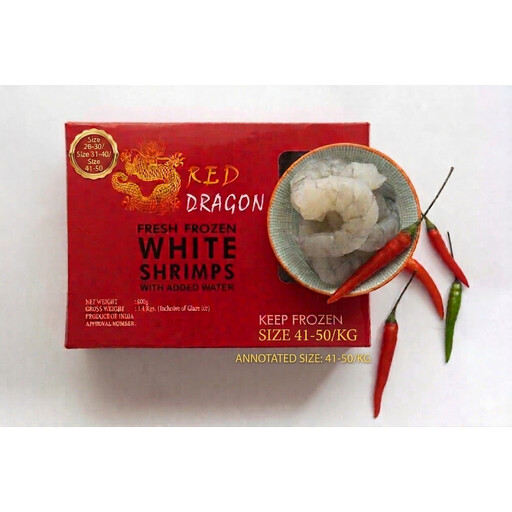
Why This Fits Their Persona: The smaller 41–50/lb size works well in fried rice, noodle bowls, soups and curries, while the peeled and deveined format reduces preparation for everyday meals.
The size grade is clearly stated, helping prevent overpaying for large prawns when a recipe needs many smaller pieces.
Peeled and deveined; suitable for a range of quick family dishes.
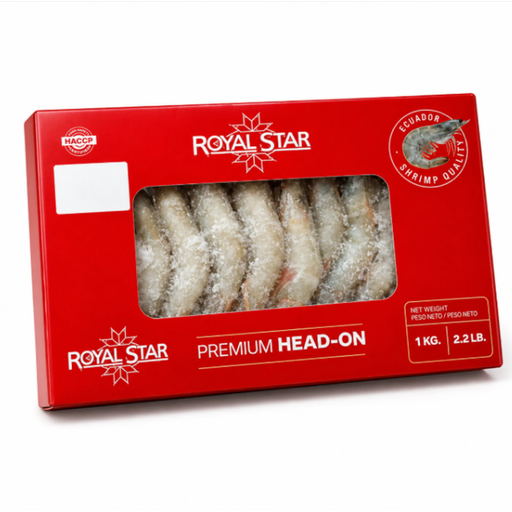
Why This Fits Their Persona: The 20–30 size grade and head-on shell-on format suit hosts preparing seafood platters, grilled prawns or presentation-focused dishes.
The product specification identifies both the count range and HOSO format, rather than relying on vague descriptions of size or quality.
Large 20–30 grade; head and shell retained for cooking and presentation.
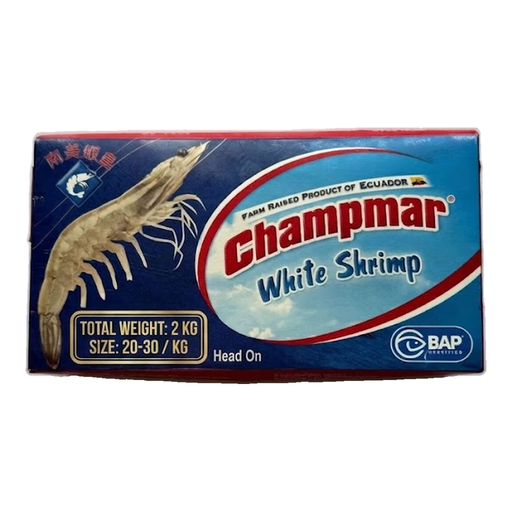
Why This Fits Their Persona: The 2kg pack is suited to frequent home cooks, caterers and hosts preparing multiple portions of grilled prawns, curries or sharing platters.
The larger pack and stated count help heavy users plan quantities instead of buying several smaller packs without comparing usable portions.
20–30/kg large prawns; 2kg block format for larger cooking sessions.
For prawns for grilling, select large peeled and deveined prawns for easy skewers, or head-on shell-on prawns when presentation and shell-on cooking are priorities. For prawns for stir-fries, medium peeled and deveined or IQF prawns make it easier to add controlled portions to a hot wok.
For curries, soups and stocks, whole prawns can contribute flavour from the shells and heads. Smaller Vannamei prawns are practical in noodle dishes, fried rice and ramen, while extra-large raw king prawns create a more prominent centrepiece in paella, pasta or a seafood platter.
If convenience is central, consider a 700g IQF pack such as the Royal STAR Raw Peeled & Deveined Prawn IQF. If you want to use shells for a broth but do not need heads, compare headless shell-on options. Always check whether the listed weight is total pack weight or drained weight.
We have compiled a complete, real-time list of products that fully satisfy these strict selection criteria and UK safety regulations.
Yes. Peeled and deveined or IQF prawns are convenient for stir-fries because they can be portioned easily. Defrost according to the label, drain thoroughly and add them towards the end of cooking so they become opaque and firm without overcooking.
Keep them at -18°C or below and follow the best-before or use-by information on the packaging. Once thawed, store them in the refrigerator and use according to the product instructions. Do not refreeze thawed raw prawns.
“King prawns” is commonly used as a retail size or product description, while Vannamei identifies the species, usually Penaeus vannamei. Check both the species and the count grade: two products described as king prawns can differ considerably in size, preparation format and drained weight.