
24/7 Customer Support

Free returns

Same-day & Next-day Delivery

Quality Guaranteed

Unlock Your Welcome Offers: FREE Delivery | Up to 80% OFF | Free 30-day JoyPlus trial
Download the APP
Frozen seafood can make weekday cooking, family meals and hotpot gatherings much easier. However, pack sizes, glazing, preparation styles and cooking requirements vary considerably. A low shelf price may not represent the amount of seafood you will actually serve, while a convenient-looking product may still require substantial preparation.
As the Joybuy Product Recommendation Officer, I focus on practical details that help shoppers look beyond marketing language and choose frozen seafood suited to the way they cook.
Some frozen prawns and shellfish list both net weight and a heavier frozen or gross weight. The difference may include protective ice glaze, shells or heads. For example, some prawn packs specify a glaze percentage of around 30%, while head-on shell-on prawns include parts that are removed before eating.
When comparing seafood online UK shoppers should check:
Frozen seafood can be raw, cooked, or partly prepared. Raw prawns, raw crab and raw squid must be cooked thoroughly. Cooked seafood, such as cooked clams, usually only needs gentle reheating. Confusing the two can lead to poor texture or unsafe preparation.
Always check the product description and packaging for wording such as:
Peeled and deveined prawns are practical for stir-fries, curries and pasta, but head-on shell-on prawns can be more suitable for grilling, presentation, stocks and broths. Whole clams provide a shell-on serving style, whereas cooked clam meat is easier to add to soups, noodles and sauces.
The right format can save more time than choosing a larger pack.
For frozen prawns, frozen shrimp, crab and squid, identify whether the product is raw or cooked before placing it in your basket. Raw products need a suitable cooking method and enough time to become fully cooked. Cooked clams and other cooked seafood should generally be heated briefly to avoid a tough or rubbery texture.
For example, the Wild White Meretrix Clams 1kg are already cooked and are described for gentle reheating. By contrast, whole shell-on clams require cooking before consumption.
Prawn grading is often shown as a count per pound or kilogram. A 16/20 prawn grade indicates fewer, larger pieces than a 31/40 grade. This matters when you are planning skewers, barbecue portions, hotpot servings or a centrepiece dish.
Squid may use formats such as rings, tubes or whole squid. Large U-5 squid tubes, for instance, are designed for stuffing, slicing or grilling, while crumbed squid rings are more suited to quick oven or air-fryer meals.
Most products in this selection require storage at -18°C or below. Keep frozen seafood in the freezer as soon as possible after delivery and follow the label’s instructions.
Many products state that seafood should be thawed in a refrigerator and consumed within 24 hours. Do not refreeze after thawing unless the packaging specifically says otherwise.
Shellfish allergens are also important. Prawns and crab contain crustaceans, while clams and squid contain molluscs. Some prepared products may also contain soya, wheat, gluten, sulphites or fish. Read the full ingredient and allergen information, particularly when buying seafood for children or guests.
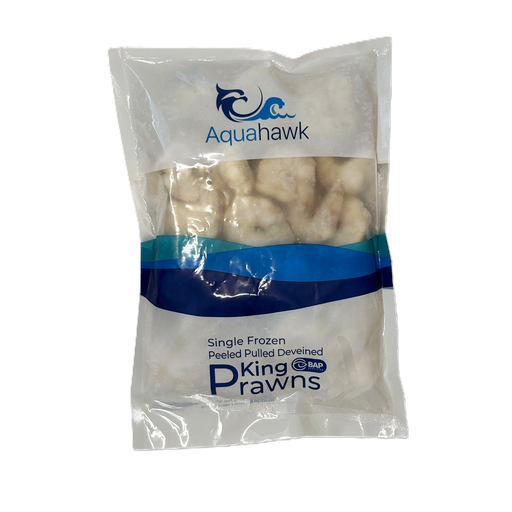
Why This Fits Their Persona: A practical option for UK households cooking stir-fries, curries, fried rice or noodle dishes without shell preparation.
The listing identifies the prawns as raw, peeled and deveined, with a stated glaze percentage and net weight.
IQF format supports portion control; 31/40 grading suits everyday meals.
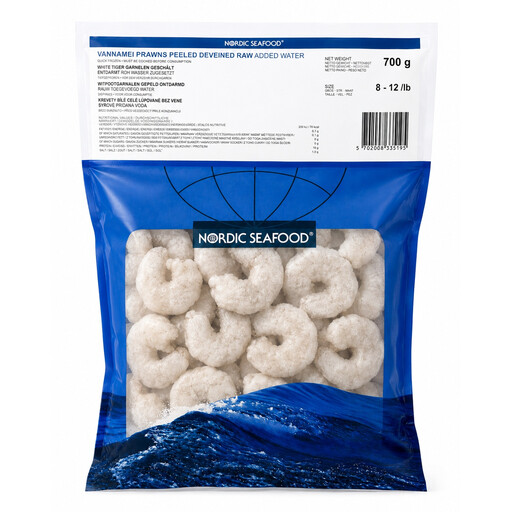
Why This Fits Their Persona: Large prawns suit dinner parties, barbecue skewers, Thai curries and dishes where the seafood needs visual presence.
The product clearly states its 8–12 per lb grading, raw status, peeled and deveined preparation and 700g pack size.
Extra-large format; individually frozen for measured portions.
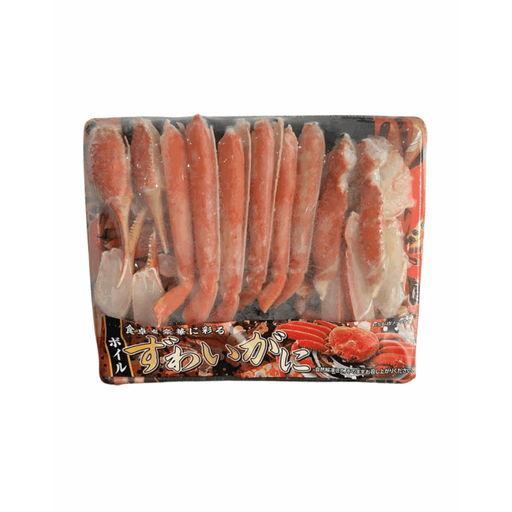
Why This Fits Their Persona: Designed for hotpot hosts and Asian cuisine enthusiasts who want a cooked crab ingredient for shared broths.
Its description identifies the crab as cooked and gives specific frozen storage and thawing guidance.
Single 350g pack; suitable for heating thoroughly in boiling hotpot broth.
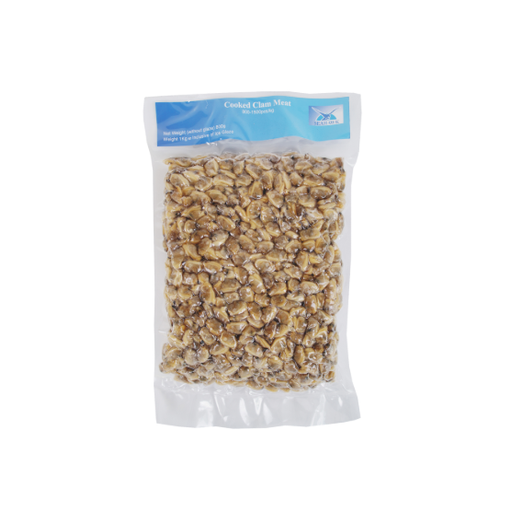
Why This Fits Their Persona: A convenient ingredient for soups, pasta, noodles, chowders and quick Asian-inspired meals.
The pack provides a stated 800g net weight and identifies the clam meat as cooked and ready to eat after defrosting.
Shell-free preparation; frozen storage supports advance meal planning.
We have compiled a complete, real-time list of products that fully satisfy these strict selection criteria and UK safety regulations.
Yes, provided the product is suitable for the cooking method and handled according to its label. Cooked crab, cooked clams and seafood cocktail mixes can be added at an appropriate stage, while raw prawns, squid or crab need enough time in the boiling broth to cook fully. Avoid overcrowding the pot, as this can lower the temperature.
The storage life depends on the product and its best-before date. Many products specify storage at -18°C or below and provide a best-before date on the packaging. Keep the freezer temperature stable, avoid repeated thawing and refreezing and follow the product-specific guidance rather than relying on a general time estimate.
Cooked seafood can reduce preparation time, especially when buying clam meat or shellfish for noodles, soups and pasta. Raw seafood may offer more flexibility for grilling, frying, curries and barbecue cooking. Compare the net edible weight, preparation work and intended recipe before judging value.