
24/7 Customer Support

Free returns

Same-day & Next-day Delivery

Quality Guaranteed

Unlock Your Welcome Offers: FREE Delivery | Up to 80% OFF | Free 30-day JoyPlus trial
Download the APP
Frozen seafood can make weekday cooking, entertaining and restaurant-scale preparation considerably easier. However, pack sizes, glazing, preparation state and shellfish labelling can make products difficult to compare. A large-looking bag may contain less seafood than expected, while a product described as convenient may still require thorough cooking and careful defrosting.
This guide explains the practical details to check before you buy frozen seafood online, with suitable options for different kitchens and cooking habits.
Frozen prawns, frozen shrimp and other shellfish may be sold with protective ice glaze. The advertised pack weight can include this glaze, packaging information or a frozen weight that differs from the drained seafood content.
For example, the Aquahawk IQF prawns list a 350g net weight, alongside a 500g frozen weight and approximately 30% glaze. Always compare the net or drained weight, particularly when calculating cost per portion.
Frozen seafood can be raw, cooked, breaded, blanched or ready to eat after defrosting. These descriptions are not interchangeable.
Raw prawns must be cooked thoroughly. Cooked clam meat only needs careful reheating once defrosted, while breaded crab claws and calamari rings still require cooking according to the packaging instructions. Check the preparation state before planning a meal.
Shellfish includes both crustaceans, such as prawns and lobster, and molluscs, such as clams, oysters, mussels, squid and scallops. Some products also contain sulphites, wheat, soya, egg or fish.
Read the ingredients and allergen statement every time. For instance, head-on prawns may contain E223 sulphites, while breaded seafood can include wheat and soya. Product formulations and labelling can change, so the packaging remains the final reference.
Prawn sizing is usually shown as a count per kilogram, such as 20/30 or 40/50. A lower count generally indicates larger individual prawns, but actual yield also depends on whether the product is head-on and shell-on, peeled, deveined or tail-off.
Raw frozen prawns, lobster, squid and oysters must be cooked before consumption unless the packaging specifically states otherwise. Cooked seafood should generally be defrosted safely and reheated gently to avoid a tough or rubbery texture.
Calamari rings are particularly sensitive to cooking time. Short, high-heat cooking or longer, gentle cooking is commonly used; overcooking can make squid chewy. Follow the instructions supplied with the product rather than relying only on a recipe.
Most frozen seafood should be kept at -18°C or below. Arrange delivery when someone can receive the parcel and transfer the contents to a suitable freezer promptly. If seafood arrives partially defrosted, check the seller’s instructions before deciding whether it can be refrozen.
As a general handling principle, defrost seafood in the refrigerator, keep it chilled and use it within the period stated on the packaging. Do not refreeze products marked “do not refreeze once defrosted”.
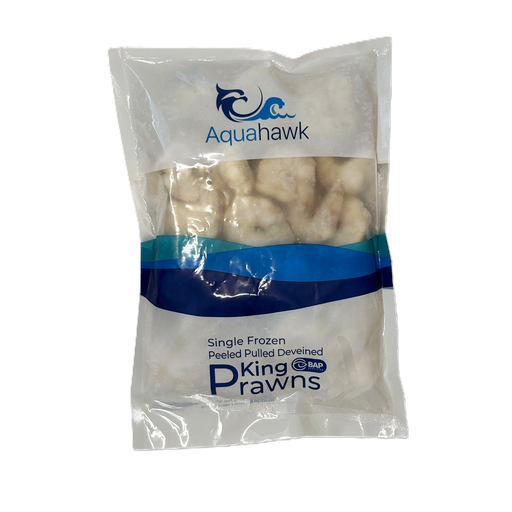
Why This Fits Their Persona: A practical size for smaller households and first-time buyers who want portionable frozen prawns for stir-fries, curries or pasta without shelling.
The listing clearly separates net weight from frozen weight and identifies the product as raw, peeled, deveined and IQF.
31/40 sizing; 350g net pack; peeled and pulled deveined for simpler preparation.

Why This Fits Their Persona: Suitable for cooks planning seafood platters, barbecues or restaurant-style dishes where whole prawns provide a striking presentation.
The product format, 20/30 count and 1kg net quantity are stated clearly, helping buyers distinguish size from vague “XL” wording.
Head-on shell-on format; individually frozen; raw Ecuadorian Vannamei prawns in a 20/30 size.
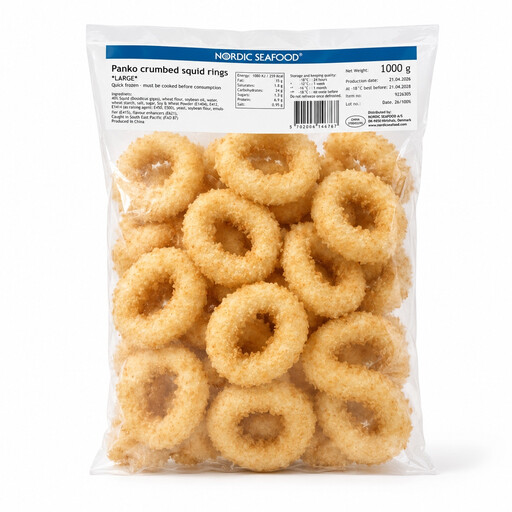
Why This Fits Their Persona: A useful catering and family-sharing format for pubs, parties, restaurants or households that need quick seafood starters.
The listing states that it is crumbed, contains wheat and soya, and should be cooked from frozen, removing uncertainty around preparation.
1kg pack; 21–30 jumbo rings per kilogram; suitable for oven or air-fryer preparation.
For cooked shellfish, consider Nordic Seafood ASC Cooked Hard Clams in the Shell, supplied at 70–90 clams per kilogram, or Seahawk Cooked Clam Meat 800g Net for pasta, paella and soups without shells. If you want lobster for a special meal, The Fish Society Wild Cooked American Lobster 400g is supplied cooked and frozen, ready to serve once defrosted according to its instructions.
Other options include frozen mussels in half-shell format, IQF oyster meat, frozen scallops and whole California squid. Before ordering, compare drained quantity, allergen information, cooking status and whether the format suits your freezer space.
We have compiled a complete, real-time list of products that fully satisfy these strict selection criteria and UK safety regulations.
Yes, provided it is stored correctly and prepared according to the label. IQF seafood is particularly convenient because individual pieces can be removed for one or two portions, reducing waste. Keep the freezer at -18°C or below and avoid refreezing seafood after it has thawed unless the packaging specifically permits it.
Choose raw prawns when you want them to absorb flavours during cooking, such as in curries, noodle dishes or garlic butter recipes. Choose cooked prawns or cooked clam meat when speed is the priority. Cooked products still need safe defrosting and, where required, thorough reheating.
Check the delivery window before ordering and ensure someone can receive the parcel. Move frozen products to the freezer promptly, retain the packaging until you have checked storage and best-before information, and contact the seller if the product arrives in an unsuitable condition. Always follow the specific handling instructions supplied with your frozen seafood.