
24/7 Customer Support

Free returns

Same-day & Next-day Delivery

Quality Guaranteed

Unlock Your Welcome Offers: FREE Delivery | Up to 80% OFF | Free 30-day JoyPlus trial
Download the APP
Frozen squid can be a practical freezer staple for UK households, seafood lovers and small food-service kitchens. It works in stir-fries, hot pots, soups, grills, appetisers and classic calamari. However, product descriptions do not always make the most important details easy to compare.
A large-looking bag may contain a considerable amount of protective ice, while “calamari” may refer to raw rings, battered pieces or a ready-to-eat snack. Before you buy frozen squid online in the UK, check the format, net weight, ingredients, allergens and cooking instructions rather than relying on front-of-pack marketing.
Some frozen squid products are sold with glazing or protective ice. For example, a pack marked as 1kg may have a stated squid net weight of 600g or 700g. This makes the net content more useful for comparing value than the outer pack size.
Look for wording such as:
A 1kg pack with 600g of squid may still suit bulk cooking, but it should not be compared directly with a 1kg product containing 1kg of squid.
Frozen squid may be sold as raw squid, cooked seafood, battered rings, seasoned chunks, squid paste or a dried squid snack. Raw products must be cooked thoroughly. Some products can be cooked from frozen, while others require defrosting in a fridge first.
Never assume that a squid ring is ready to eat simply because it is cleaned or sliced. Read the preparation instructions and check whether the product is labelled cooking required or ready to eat.
Breaded, battered and seasoned products can contain much more than squid. Ingredients may include wheat, soya, fish, egg, celery, sesame, crustaceans or sulphites. This matters for allergy management and for shoppers comparing plain seafood with a prepared appetiser.
UK food labels should identify relevant allergens clearly, but formulations can change. Always check the product packaging before consumption, particularly when buying seafood dumplings, panko crumbed squid rings or mixed seafood products.
Choose the cut according to the dish you plan to make:
Compare products using the edible or declared net quantity. Clear Seas Squid Tubes, for instance, are listed as a 1kg pack with 600g net weight, while several 1kg squid tube products specify 700g net weight. This distinction helps households estimate portions and helps small food-service buyers calculate ingredient cost more accurately.
IQF, or individually quick frozen, can also be useful because it may allow you to take out only the amount required. Even when products are IQF, follow the storage instructions and avoid refreezing after thawing.
Most raw frozen squid products should be stored at -18°C or below. Defrost products in the fridge where instructed, keep them chilled after thawing and use them within the stated period, commonly 24 hours. Do not refreeze thawed squid.
Check for MOLLUSCS in the allergen declaration. Prepared products may also contain wheat, gluten, soya, egg, fish, sesame, celery, milk or crustaceans. A plain squid product generally offers a shorter ingredient list, while coated or filled products may be more convenient for appetisers.

Why This Fits Their Persona: A straightforward entry point for UK cooks who want an Asian seafood meal without preparing raw squid. The dumplings can be boiled, steamed or pan-fried from frozen.
The product gives clear cooking methods and a 400g net quantity, rather than leaving preparation and portioning unclear.
Boiling, steaming and pan-frying options; includes shrimp, squid, pork and vegetables in the filling.
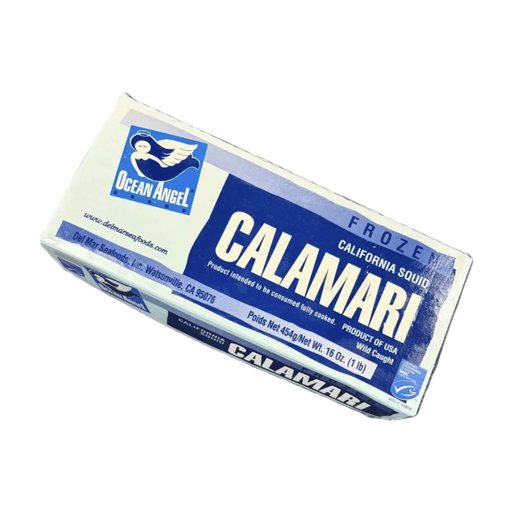
Why This Fits Their Persona: Whole squid suits cooks who value flexibility and want to prepare rings, tubes or tentacles for different recipes.
The listing identifies the ingredient as 100% squid and states the mollusc allergen, making the product format easier to assess.
454g pack; whole format supports slicing, stuffing and using different parts in separate dishes.
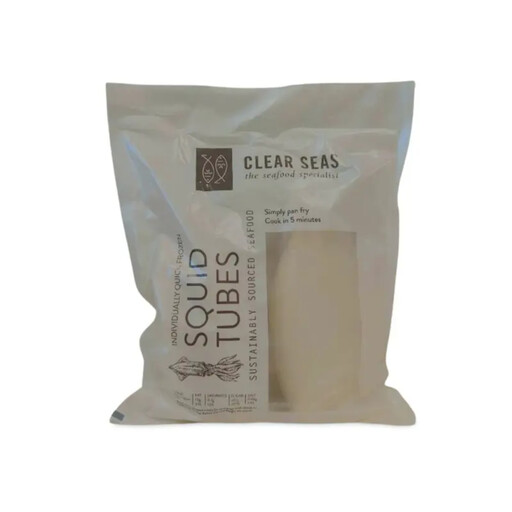
Why This Fits Their Persona: A practical bulk option for repeated grilling, stuffing, stir-frying or soup preparation, including small food-service use.
The 600g net weight is shown alongside the 1kg pack size, so buyers can judge the actual squid quantity before ordering.
IQF tube format; suitable for grilling, stuffing, stir-frying, soup and salad.
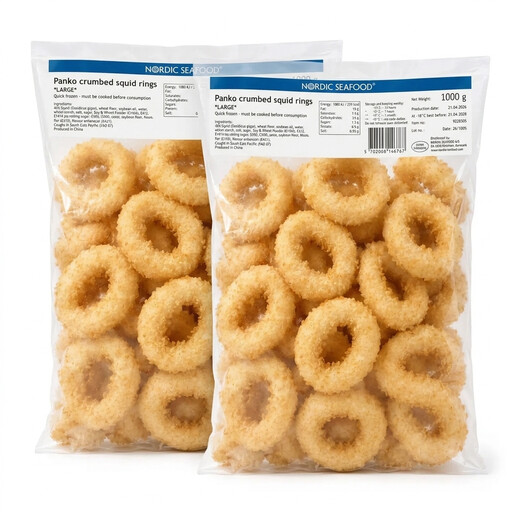
Why This Fits Their Persona: Suitable for shoppers who want a freezer-to-oven or air-fryer appetiser for family meals, gatherings or sharing platters.
The product is clearly presented as crumbed squid rings that require cooking, rather than plain raw rings or a ready-to-eat snack.
Cook from frozen; oven and air-fryer compatible; jumbo rings are listed at approximately 21–30 rings per kilogram.
We have compiled a complete, real-time list of products that fully satisfy these strict selection criteria and UK safety regulations.
Squid generally benefits from either very quick cooking or a longer, gentle cooking method. For rings and thin pieces, use a hot pan or fryer and avoid leaving them over heat once cooked through. For tubes, score the surface lightly and cook in batches so the pan stays hot.
Follow the pack instructions first. Some products, such as crumbed rings, are designed to cook from frozen, while raw squid tubes may require defrosting in a fridge. Cook until fully done and piping hot, and avoid tasting raw seafood during preparation.
Yes. Plain squid tubes, rings and flower-cut chunks can work well in stir-fries. Defrost according to the label, drain thoroughly and add the squid near the end of cooking to help retain a firmer texture.
Keep it at -18°C or below and follow the best-before date on the packaging. Once thawed, keep it refrigerated and consume within the period stated by the product, often 24 hours. Do not refreeze thawed squid.
“Calamari” is commonly used for prepared squid dishes, especially fried rings, while “squid” usually describes the ingredient itself. When shopping, check whether you are buying plain raw squid, frozen calamari, cooked squid, battered rings or a seasoned product, as the preparation and ingredients can differ.