
24/7 Customer Support

Free returns

Same-day & Next-day Delivery

Quality Guaranteed

Unlock Your Welcome Offers: FREE Delivery | Up to 80% OFF | Free 30-day JoyPlus trial
Download the APP
Frozen squid can be a convenient way to prepare calamari, stir-fries, seafood soups and barbecue dishes at home. However, packs that look similar may differ considerably in net squid weight, preparation requirements, coating, cut size and storage instructions.
Whether you are cooking for a family, planning a barbecue or buying frozen seafood for a small food business, checking the label carefully can help you avoid paying for unnecessary ice, choosing the wrong format or ending up with tough squid.
A large printed weight does not always represent the amount of squid in the pack. Some products include a protective ice glaze, while others contain coating ingredients such as flour, starch and oil.
For example, a 1kg pack may list a lower net squid weight after glazing. Compare the net quantity rather than relying only on the front-of-pack weight. This is particularly important when comparing IQF squid tubes or larger catering-style packs.
Terms such as raw squid, “cooking required” and “cook before consumption” mean the product must be thoroughly cooked. This applies to many squid rings, tubes and chunks.
By contrast, panko crumbed squid rings and battered calamari may be prepared directly from frozen, but they still need to be cooked according to the packaging instructions. Do not assume that a crumbed coating means the squid is already cooked.
Squid rings are convenient for crispy calamari, tapas and seafood platters. Squid tubes are more suitable for stuffing, grilling whole or slicing into rings. Squid chunks can work well in stir-fries, soups and coated appetisers, while large tubes may be less practical for quick weekday meals.
Buying based only on price can result in extra preparation or an unsuitable texture for the dish you had planned.
Look for:
A product with a larger pack weight is not automatically better value if the edible squid content is lower. For households, a smaller net weight may also reduce freezer clutter and food waste.
Choose the format according to how much preparation you want to do:
IQF, or individually quick frozen, generally means pieces are frozen separately rather than in one solid block. This can make portioning easier, although packaging still needs to be checked for glazing and handling instructions.
Squid is a mollusc allergen, so check the ingredients and allergen statement carefully, particularly when buying coated products. Panko and battered varieties may also contain wheat, gluten, soya, fish or celery.
For raw frozen squid, follow the pack instructions. Many products should be thawed in a refrigerator, kept chilled once defrosted and consumed within 24 hours. Do not refreeze defrosted squid unless the packaging specifically states that it is suitable. Raw products must be cooked thoroughly before eating.
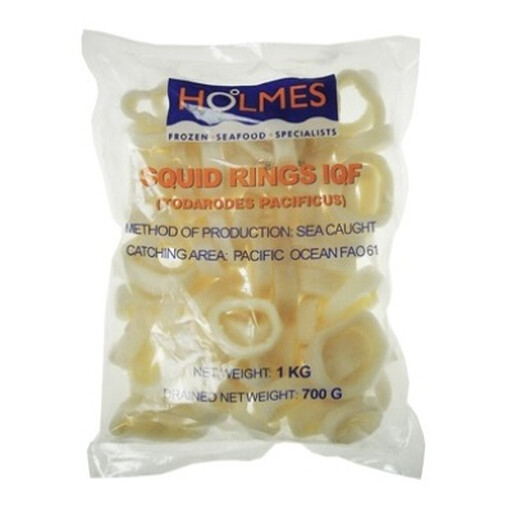
Why This Fits Their Persona: Pre-cut rings are straightforward for first-time cooks and work in pasta, stir-fries or simple fried calamari without the preparation involved in whole squid.
The stated 700g net weight makes the squid content clearer than judging the 1kg outer pack alone. It is a cooking-required product, so the preparation expectation is explicit.
Pre-cut ring format; ingredients list squid, salt and stabilisers.
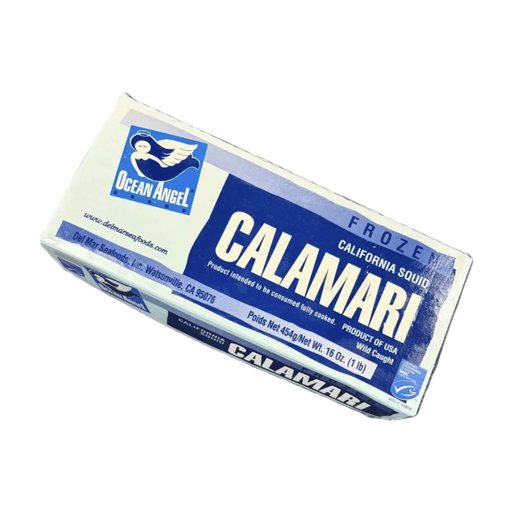
Why This Fits Their Persona: Whole squid gives seafood-focused cooks control over the final cut, from rings for Mediterranean dishes to tubes for stuffing and tentacles for added texture.
The whole format avoids being locked into one cut. The listing also states the origin, storage temperature and that the squid is intended to be fully cooked.
Whole squid format; suitable for slicing, stuffing or grilling.
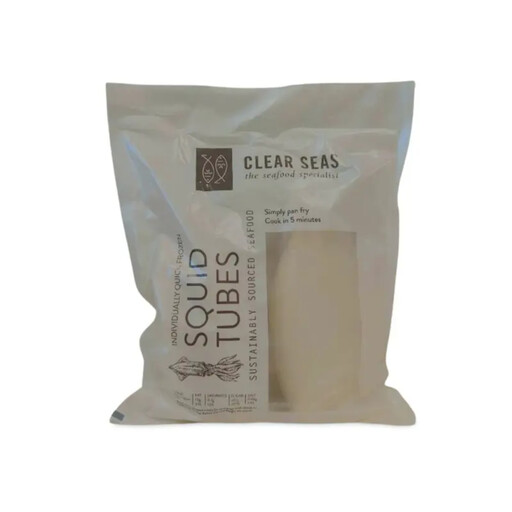
Why This Fits Their Persona: Large U5 tubes suit barbecue hosts, meal-preppers and small foodservice buyers who need flexible portions for grilling, stuffing, soups or salads.
The listing separates the 1kg frozen pack from the 600g squid net weight and states the thawing, refrigeration and cooking requirements.
IQF format for portioning; large tubes for grilling or stuffing.
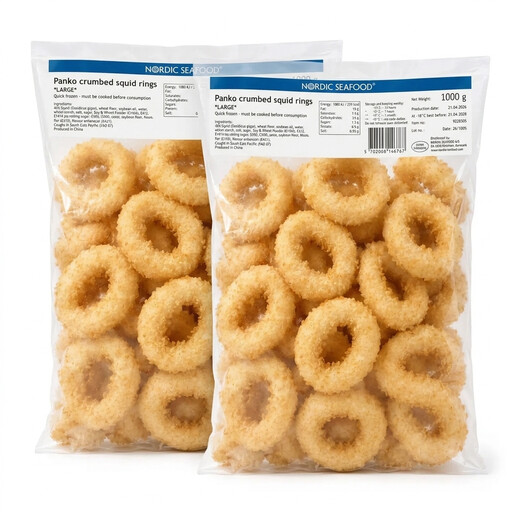
Why This Fits Their Persona: Families and hosts can cook the coated rings from frozen in an oven or air fryer, making them suitable for sharing plates, tacos or a quick seafood meal.
The listing clearly states “cook from frozen”, while the ingredient list shows that wheat and soya are present in the coating.
Panko coating; oven and air-fryer preparation; approximately 21–30 rings per kilogram.
We have compiled a complete, real-time list of products that fully satisfy these strict selection criteria and UK safety regulations.
Yes. Squid tubes, rings and chunks can be used for stir-frying, but avoid prolonged cooking. Thaw raw squid safely in the refrigerator, drain it well and cook quickly over high heat until fully cooked. Follow the product’s instructions, as cut size and preparation can vary.
Keep it at -18°C or below, or according to the storage information on the pack. Seal opened packaging securely to reduce freezer burn and use the stated best-before guidance. Once raw squid has thawed, keep it refrigerated and follow the stated consumption window. Do not refreeze it unless the label permits this.
“Calamari” commonly refers to a prepared squid dish, while squid rings describe the cut itself. A pack of squid rings may be raw, battered or panko crumbed. Always check whether it is intended to be cooked from frozen or thawed before cooking, and review the allergen information before purchase.