
24/7 Customer Support

Free returns

Same-day & Next-day Delivery

Quality Guaranteed

Unlock Your Welcome Offers: FREE Delivery | Up to 80% OFF | Free 30-day JoyPlus trial
Download the APP
Frozen squid can be a practical addition to a UK freezer, whether you are preparing stir-fries, calamari, hot-pot dishes, barbecue skewers or quick family meals. However, product descriptions can make similar-looking packs seem interchangeable when they are not.
The main differences are usually found in the net weight, preparation status, cut and coating. Checking these details before buying helps prevent watery results, tough texture and unsuitable products for your recipe.
A frozen seafood pack may include protective ice glaze. For example, a pack described as 1kg may contain a lower net squid weight once the glaze is excluded. Aquahawk ILLEX IQF Squid Tubes U/5 is listed with a 1kg frozen weight and 600g net weight, while some other products state their net quantity separately.
For fair price comparisons, check:
This is especially important for foodservice buyers, barbecue hosts and anyone comparing larger frozen seafood packs.
Cleaned squid is still often raw squid. It may have the skin, wings and internal parts removed, but it normally requires thorough cooking. Raw squid tubes and squid rings should be defrosted according to the packaging instructions and cooked fully before consumption.
By contrast, seasoned dried squid snacks are ready to eat, while panko crumbed squid rings may be designed to cook directly from frozen. Always distinguish between:
Squid has a reputation for becoming rubbery, but the issue is often cooking time rather than the frozen format itself. Many squid tubes and rings are suited to either a very quick cooking period or a longer, gentle braise. A two- to three-minute stir-fry may be appropriate for thin pieces, while thicker preparations may need a different method.
For quick cooking, thaw thoroughly, pat dry and use a hot pan. Avoid overcrowding, as released water can steam the squid instead of searing it.
Choose the shape according to the dish you plan to make:
A whole or tube format provides more flexibility, while prepared rings and coated pieces are quicker for busy households.
Pack sizes range from small snack portions to 1kg formats. A 200g pack of squid balls may suit a single hot-pot meal or a small family side dish. Larger 600g to 700g net packs are more practical for meal preparation, family cooking or several servings.
IQF products can be useful when the pieces are separated, allowing you to take out only what is needed. However, “IQF” does not automatically mean the seafood is cooked or free from added stabilisers. Read the ingredient list and preparation instructions.
Squid is a mollusc allergen, and some prepared products also contain wheat, egg, soya, fish, sesame or crustaceans. Coated salt and pepper squid, for example, may contain wheat flour, soya sauce powder and celery seed.
In the UK, check the full label each time, particularly if you have allergies or are cooking for guests. Look for allergens highlighted in bold and follow the storage guidance. Frozen products commonly require storage at -18°C or below, should not be refrozen after defrosting and should be consumed within the stated refrigerated period.
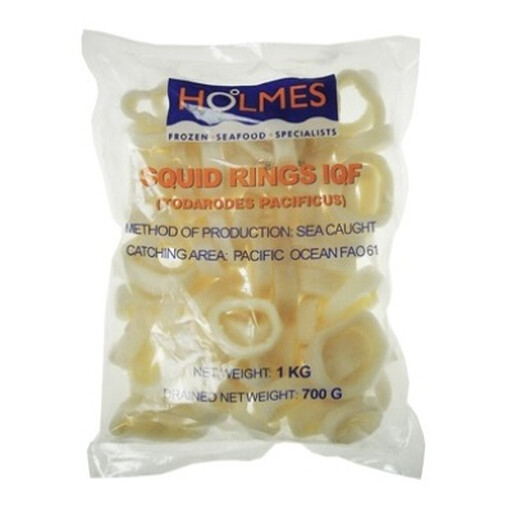
Why This Fits Their Persona: The 700g net quantity offers a practical format for family meals, barbecue portions or an introduction to cooking calamari without choosing a whole squid format.
The listing clearly separates the 1kg pack description from the 700g net quantity, making portion and value comparisons more transparent.
Ring format; ingredient list contains squid, salt and stabilisers.
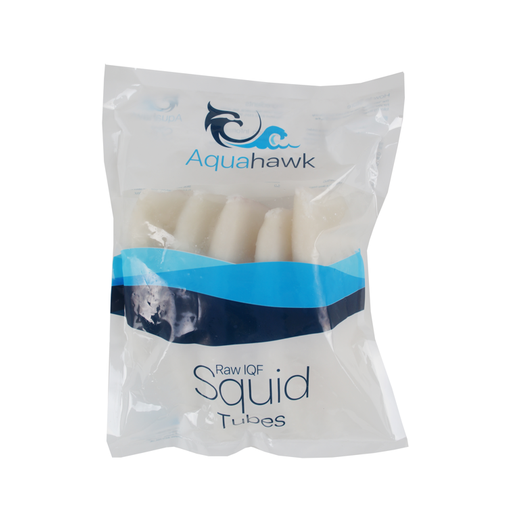
Why This Fits Their Persona: A cleaned tube format suits cooks who want control over presentation for grilled, stuffed or restaurant-style seafood dishes.
The product information states that the tubes are cleaned, skin-off and wing-off, while also identifying the 600g net weight and raw cooking status.
IQF format; suitable for portioning, stuffing and slicing.
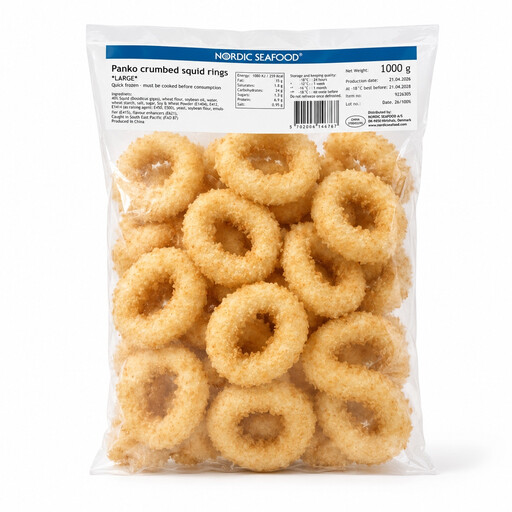
Why This Fits Their Persona: A large coated format is suited to foodservice buyers, party platters, family sharing and barbecue or air-fryer menus.
The listing specifies that it is cooked from frozen and identifies the squid, wheat and soya allergens, reducing uncertainty at busy service times.
Panko coating; oven and air-fryer compatible according to the product details.
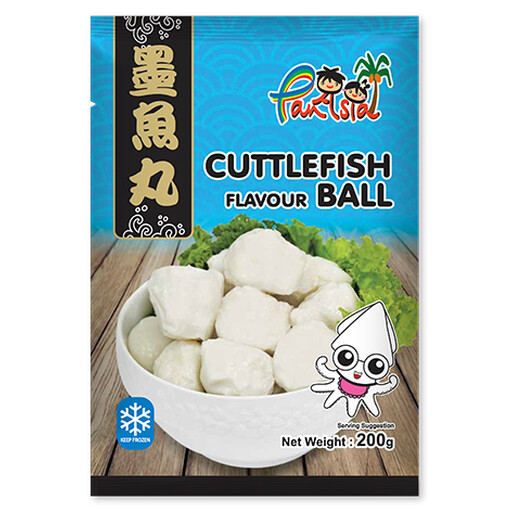
Why This Fits Their Persona: The compact format is convenient for hot-pot evenings, noodle soups and smaller households that do not need a large bag of squid tubes.
The cooking instructions explain that it can be used without defrosting and provide separate guidance for hot pot, frying, grilling and microwave preparation.
200g pack; cooking guidance includes approximately five minutes in boiling water for hot pot.
We have compiled a complete, real-time list of products that fully satisfy these strict selection criteria and UK safety regulations.
For raw tubes, rings or chunks, thaw in the fridge rather than leaving seafood at room temperature. Drain and pat dry before cooking. Use a hot wok or frying pan for a quick stir-fry, or follow the pack instructions for coated products.
For salt and pepper squid, check whether the pieces are raw and coated, then cook until the coating is golden and the centre is fully cooked. Panko crumbed calamari is often convenient for an oven or air fryer, but appliance temperatures vary, so use the packaging guidance.
When serving Asian seafood ingredients in hot pot, add squid balls or squid paste according to the product instructions. Keep raw and cooked seafood separate, and wash hands, utensils and surfaces after handling raw squid.
Not usually. Frozen squid tubes, rings and chunks are commonly raw, even when cleaned or IQF. Check the label and cook fully before eating. Ready-to-eat exceptions include seasoned dried squid snacks and clearly labelled cooked seafood products.
It can offer practical value because it is available in measured packs, has a longer freezer life and reduces preparation waste. Compare the net squid weight, not only the printed outer pack weight, particularly where glaze or coating is included.
Follow the best-before date and storage instructions on the packaging. Keep it at -18°C or below, and do not refreeze after defrosting unless the label specifically states otherwise. Once thawed, many products should be refrigerated and consumed within 24 hours.