
24/7 Customer Support

Free returns

Same-day & Next-day Delivery

Quality Guaranteed

Unlock Your Welcome Offers: FREE Delivery | Up to 80% OFF | Free 30-day JoyPlus trial
Download the APP
As a Joybuy Product Recommendation Officer, my role is to help you navigate the crowded online marketplace. When it comes to the simple pleasure of a warm, fluffy steamed bun, the convenience of having them in your freezer is undeniable. However, not all frozen steamed buns are created equal. A disappointing purchase can mean a mouthful of dry, dense dough or a filling that bears little resemblance to what was promised on the packaging.
This guide will walk you through the common pitfalls to avoid and the key factors to check, ensuring your next purchase of frozen bao buns delivers that authentic, comforting experience you're looking for, whether for a quick breakfast, a dim sum spread at home or a satisfying snack.
Many of us have been there: you steam a bun with high hopes, only to be let down. Here are the two most frequent issues that can turn a convenient treat into a culinary disappointment.
To avoid these traps, a little label-reading goes a long way. Before you add a pack to your basket, focus on these two non-negotiable parameters.
The filling is the heart of any good bao. To gauge its quality, look beyond the marketing photos and inspect the ingredient list on the product page.
Taro 20.3% or Chicken 4%). This is an objective indicator of how generous the filling is likely to be.red bean buns or more indulgent salted egg yolk buns.The quality of the bun itself is paramount. There are two main types of Chinese steamed buns to know:
When checking the dough, look for a simple ingredient list: wheat flour, water, sugar and yeast are the core components. The simpler the list, the more traditional the bun often is. Some varieties, like Korean steamed buns, may incorporate other flours like corn or rice powder for a unique texture.
Based on these criteria, we've matched a few standout options to different needs and preferences.
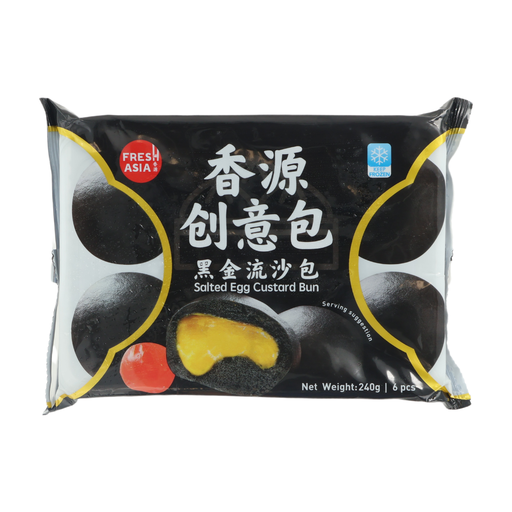
Why This Fits Their Persona: This is for someone looking to replicate the indulgent "liu sha bao" (flowing custard bun) experience from a dim sum restaurant. The combination of a dark bamboo charcoal bun and a rich, flowing salted egg yolk filling is a classic luxury treat.
It directly targets the "disappointing filling" pitfall by marketing itself on the "flowing" nature of its custard. The ingredient list specifies Salted Egg Yolk 2%, providing transparency about this key, premium ingredient.
Delivers an authentic, restaurant-style dim sum experience. The rich, savoury-sweet flowing filling is a sought-after feature.
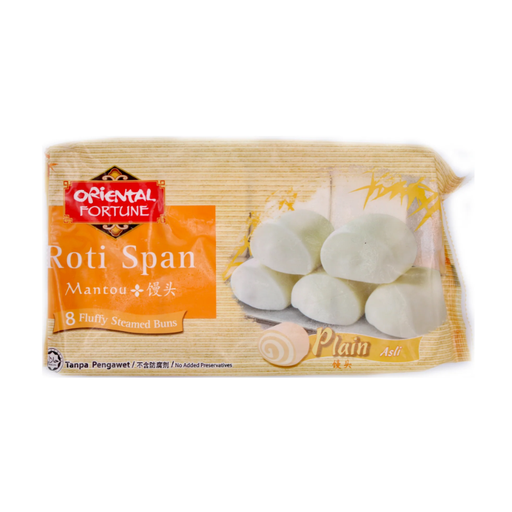
Why This Fits Their Persona: Ideal for students, busy professionals or families who need a versatile freezer staple. This plain frozen mantou can be served with savoury stews, used to make sandwiches or deep-fried and served with condensed milk for a treat.
By being unfilled, it completely sidesteps the "disappointing filling" issue. The focus is entirely on the quality and texture of the dough, which is described as soft and pillowy, with a simple, traditional ingredient list.
Extremely versatile for both sweet and savoury meals. It's a reliable base for a quick breakfast, snack or side dish.
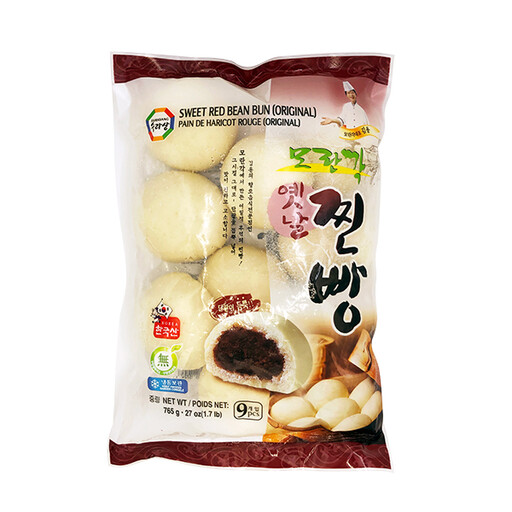
Why This Fits Their Persona: This is for those who love the classic, comforting flavour of sweet red bean paste. As a traditional Korean steamed bun (jjinppang), it offers an authentic taste that's perfect for a warm breakfast, afternoon snack or simple dessert.
It counters the "bad texture" pitfall by describing the dough as "soft, fluffy and cloud-like" and the filling as "velvety". The emphasis on "premium red beans" and a "balanced sweetness" suggests a focus on quality ingredients over artificial taste.
Offers a classic and authentic flavour profile that is widely loved. The large pack size is convenient for families or anyone who enjoys them regularly.
We have compiled a complete, real-time list of products that fully satisfy these strict selection criteria and UK safety regulations.
For the softest, fluffiest result, steaming is the recommended method. You don't need to defrost them. Simply place the frozen buns in a steamer lined with parchment paper (to prevent sticking) over boiling water. Steam for the time indicated on the package, usually between 10-15 minutes, until hot all the way through. While some buns can be microwaved for speed, this can sometimes result in a chewier or unevenly heated texture.
When stored correctly in a sealed package at -18°C or below, frozen steamed buns will last until the best-before date printed on the packaging. It is important not to refreeze buns once they have been thawed, as this will compromise their texture and safety.
The main difference is the filling. Mantou are plain, unfilled steamed buns. They are a staple food, similar to a bread roll, and can be eaten on their own or served with other dishes. Bao, or baozi, are buns that contain a filling. These can be sweet, such as custard buns or red bean buns, or savoury, like those filled with chicken or pork.