
24/7 Customer Support

Free returns

Same-day & Next-day Delivery

Quality Guaranteed

Unlock Your Welcome Offers: FREE Delivery | Up to 80% OFF | Free 30-day JoyPlus trial
Download the APP
Navigating the world of frozen steamed buns can feel like a gamble. You hope for a fluffy, flavour-packed bite of authentic Chinese dim sum online, but too often, the reality falls short. As a Joybuy Product Recommendation Officer, my role is to help you sidestep the common disappointments and find products that deliver on their promise. Let's look at the frequent issues and how to avoid them.
The journey from freezer to plate is fraught with potential pitfalls. Many shoppers find themselves disappointed by two main issues:
By understanding a few key parameters, you can make a much more informed choice and bring home ready to steam buns that taste as good as they look.
To avoid the common traps, focus on these two non-negotiable factors when selecting your Asian frozen food.
The heart of any good bao is its filling. Instead of being swayed by appetising photos, turn the package over and scrutinise the ingredients list. Reputable manufacturers will often provide a Quantitative Ingredient Declaration (QUID), which tells you the percentage of the main ingredients.
For a pork bao, look for a declaration like "Pork 35%". This transparency indicates that the filling is substantial and not just a token amount. For vegetable steamed buns, check that specific vegetables like "Bok Choy 33%" or "Shiitake Mushroom" are listed high up, rather than generic terms like "vegetable mix". This simple check helps you sidestep the "scant filling" problem and ensures you're getting a product with a flavourful, authentic core.
Not all steamed buns are created equal. Understanding the different types helps you choose the right one for your meal:
Knowing whether you want a pre-filled, convenient snack (bao buns) or a customisable base for a main course (gua bao) is the first step to a satisfying purchase.
Based on clear labelling and authentic composition, here are some recommendations tailored to different preferences.
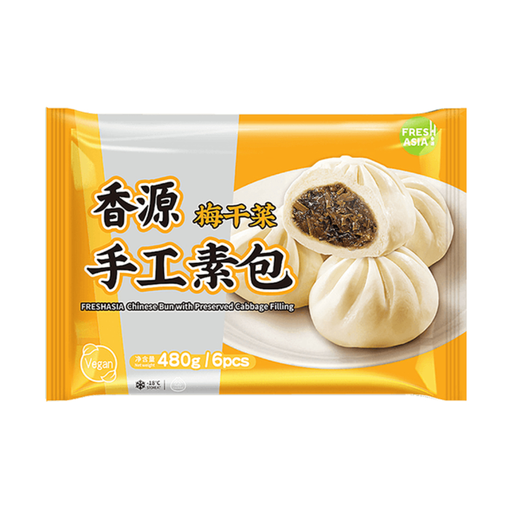
Why This Fits Their Persona: For those who have explored standard dim sum and crave something more traditional. The savoury, slightly sweet preserved mustard greens (Meigan Cai) offer a complex and authentic flavour profile not commonly found in UK supermarkets.
This bun directly counters the "vague filling" issue. The primary ingredient, Preserved Mustard Greens (Meigan Cai), is clearly listed, ensuring you get the distinct, umami-rich flavour you're paying for.
Offers a classic, homestyle Chinese flavour. The filling is both savoury and slightly sweet, providing a unique taste experience.
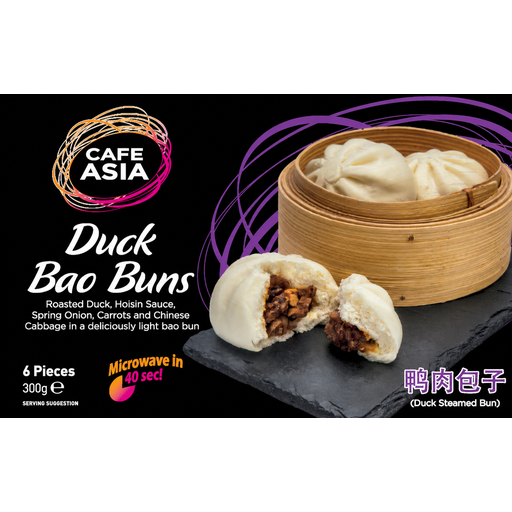
Why This Fits Their Persona: Perfect for a quick, satisfying lunch or a no-fuss dinner. The combination of tender duck and sweet hoisin is a restaurant favourite that can be ready in minutes, fitting seamlessly into a hectic schedule.
It solves the "gummy dough" problem for microwave users by including a dedicated steam pouch. This ensures the buns are heated evenly and retain a soft, pillowy texture, rather than becoming tough or dry.
Extremely convenient with a sub-one-minute microwave time. The Duck (19%) content is clearly stated, promising a flavourful, meat-filled bun.
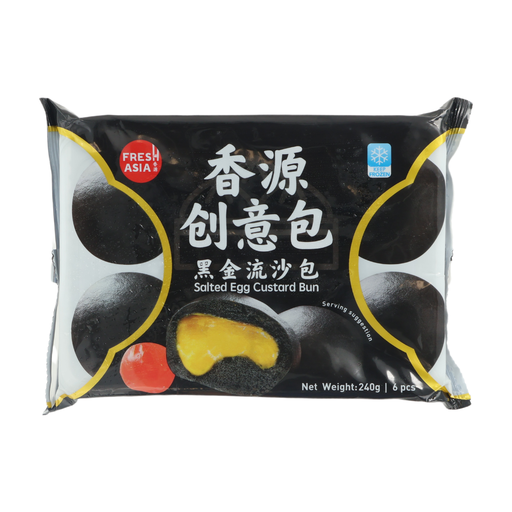
Why This Fits Their Persona: For those seeking an indulgent dessert or a special `sweet bao bun` for afternoon tea. The flowing salted egg yolk custard ("liu sha") is a prized dim sum delicacy, offering a luxurious sweet-and-savoury experience.
This bun is all about the filling, and the ingredient list is transparent. It specifies Salted Egg Yolk (2%) and custard powder, ensuring the authentic, rich "liu sha" flavour and texture, avoiding a disappointing, non-flowing centre.
Delivers a premium, restaurant-quality dessert experience at home. The striking black bun, coloured with bamboo charcoal powder, adds a visual flair.
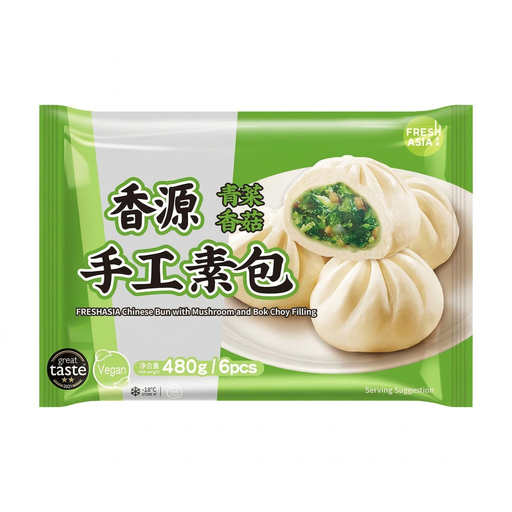
Why This Fits Their Persona: An excellent choice for vegetarians or anyone looking for a flavourful, meat-free option. The combination of bok choy, mushrooms and black fungus provides a satisfying texture and a rich, savoury taste.
This bun avoids the "bland vegetable filling" trap with a high content of its main ingredient, Bok Choy (33%). The clear listing of specific, flavourful vegetables like mushrooms and black fungus ensures a quality filling.
A generous filling-to-bun ratio provides a substantial and satisfying vegetarian meal or snack. The combination of ingredients offers a pleasing mix of textures.
We have compiled a complete, real-time list of products that fully satisfy these strict selection criteria and UK safety regulations.
The main difference is their form and function. Bao buns (or baozi) are round, sealed buns that come pre-filled with savoury or sweet ingredients. They are a self-contained snack or meal. Gua bao, also known as Hirata buns, are flat, folded "pocket" buns that are steamed plain. You add your own fillings, such as braised meat or vegetables, making them a customisable base for a sandwich-style meal.
While steaming is the traditional and recommended method for the fluffiest texture, you can use an air fryer. For a soft result, you may need to brush the buns with a little water or oil and cook at a lower temperature (around 160°C) for 8-10 minutes. For a crispier, baked-bun texture, you can cook them at a higher temperature (around 180°C). Always check the packaging for specific instructions, as results can vary.
Once steamed, it's best to consume the buns immediately for the ideal texture. If you have leftovers, allow them to cool completely before storing them in an airtight container in the refrigerator for up to 24 hours. To reheat, steam them for a few minutes until soft and hot throughout. Microwaving can make them tough, so steaming is preferable.