
24/7 Customer Support

Free returns

Same-day & Next-day Delivery

Quality Guaranteed

Unlock Your Welcome Offers: FREE Delivery | Up to 80% OFF | Free 30-day JoyPlus trial
Download the APP
The convenience of having delicious, fluffy Asian steamed buns ready in minutes is undeniable. A freezer stocked with them means a quick breakfast, a satisfying lunch or an easy addition to dinner is always on hand. However, as the popularity of frozen bao buns has grown, so has the number of options, and not all are created equal. Many who buy Chinese buns online find themselves disappointed.
Before you fill your basket, it's worth knowing about a few common pitfalls that can lead to a less-than-perfect experience.
By paying attention to a few key details, you can easily sidestep these issues and choose a product that delivers on its promise of a convenient and delicious meal.
To ensure you're getting a quality product, focus on these core factors. They are far more telling than flashy packaging or marketing slogans.
This is the most reliable indicator of what you're actually buying. Look for the quantitative ingredient declaration (QUID), which tells you the percentage of the main ingredients. For example, a quality pack of pork bao buns will clearly state the percentage of pork in the filling, such as "Pork: 30%". This transparency helps you avoid products where the primary filling is padded out with cheaper substitutes like soy protein or vegetable fillers. The first ingredient should almost always be wheat flour, indicating a proper dough base.
Understanding the terminology is key to getting what you want. These terms are not interchangeable:
Choosing the right type ensures the bun fits your meal plans, whether you need a quick snack or a versatile side dish.
Most frozen steamed buns are designed to be cooked from frozen, making them a perfect ready to steam dim sum option. The standard method is steaming for 10-15 minutes. However, some buns, particularly savoury ones, are also excellent when pan-fried. After steaming, you can place them in a lightly oiled pan to create a crispy, golden-brown bottom, similar to a sheng jian bao. Check the package for recommended cooking instructions to see if this is an option, as it adds a delightful textural contrast.
Based on these practical criteria, here are a few recommendations tailored to different needs and preferences.

Why This Fits Their Persona: Ideal for busy professionals or families in the UK needing a quick, satisfying and traditional-tasting meal. The classic pork and spring onion filling is a crowd-pleaser that works for lunch, dinner or a substantial snack.
This product avoids the flavour let-down by using a classic, savoury seasoning with pork, spring onion and ginger. The dough is formulated to remain soft and fluffy after steaming, tackling the texture problem head-on.
Features a juicy, well-seasoned pork filling and a soft, satisfying bun texture. It provides an authentic taste experience with minimal effort.

Why This Fits Their Persona: Perfect for those who love authentic dim sum and want to recreate that special treat at home. This is not an everyday bun but an indulgent, sweet and savoury classic known as 'liu sha bao'.
Instead of a generic sweet filling, this bun uses salted duck egg yolk (6.39%) and custard powder to create the iconic molten centre. It delivers a specific, sought-after flavour profile that avoids the blandness trap.
Offers a rich, flowing custard filling with a unique sweet-and-savoury taste. The bun itself is fluffy and light, providing the perfect vessel for the decadent centre.
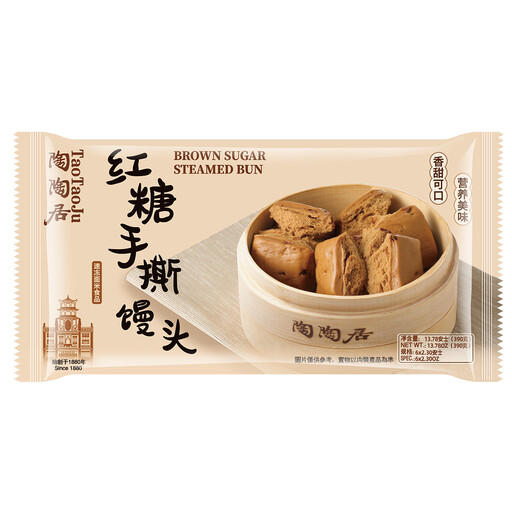
Why This Fits Their Persona: This is a great choice for someone looking for a simple, comforting and lightly sweet mantou for breakfast or as a snack. It's unfilled, making it versatile enough to eat on its own or with a cup of tea or coffee.
By being an unfilled mantou, it completely avoids the pitfall of a disappointing filling. Its quality lies in the dough itself, which is infused with a distinct brown sugar flavour (12.6% brown sugar) for a satisfying, aromatic taste.
Delivers a wonderfully soft, fluffy texture with a gentle, caramel-like sweetness from the brown sugar. It's a simple, high-quality staple.
We have compiled a complete, real-time list of products that fully satisfy these strict selection criteria and UK safety regulations.
No, you don't need a traditional bamboo steamer, although they work very well. You can easily steam buns using a metal steamer insert or even a metal colander placed over a pot of simmering water. The key is to ensure the buns are elevated above the water and covered with a lid to trap the steam. For best results, line the steamer with perforated parchment paper to prevent sticking.
This technique, known as sheng jian bao style, works wonderfully for most savoury filled buns. First, steam the buns for about 80% of the recommended time until they are mostly cooked and puffed up. Then, heat a small amount of neutral oil in a non-stick frying pan over medium heat. Place the steamed buns in the pan and cook for 2-4 minutes, or until the bottoms are golden brown and crispy.
The main difference is the filling. Bao are always filled, whether with savoury meat, vegetables or sweet pastes. Mantou are plain, unfilled steamed buns. Think of bao as a complete snack or dumpling, while mantou is more like a dinner roll or bread, perfect for accompanying other dishes.