
24/7 Customer Support

Free returns

Same-day & Next-day Delivery

Quality Guaranteed

Unlock Your Welcome Offers: FREE Delivery | Up to 80% OFF | Free 30-day JoyPlus trial
Download the APP
As a Joybuy Product Recommendation Officer, my role is to help you navigate the crowded online marketplace. When it comes to the simple pleasure of a warm, fluffy steamed bun, it’s easy to be disappointed. Many of us have been lured by attractive packaging only to find the contents lacking. Let's cut through the clutter and identify what truly makes for a satisfying purchase, ensuring you get that authentic, comforting taste at home.
The convenience of having delicious frozen steamed buns ready in minutes is undeniable, whether for a quick breakfast, a comforting snack or as part of a larger meal. However, not all frozen options are created equal. Here are a few common pitfalls to watch out for when you buy Asian buns online UK.
To avoid these issues, focus on a few key details that signal a higher quality product. A little attention to the product description can save you from disappointment.
The world of steamed buns is wonderfully diverse. Understanding the main types helps you choose correctly:
The ingredient list is your best clue to texture. A simple list with high-quality wheat flour as the primary ingredient is a good sign.
For filled frozen bao buns, the filling is everything. Look beyond the name and check the ingredients. A quality salted egg yolk custard bun, for example, should list salted duck egg yolk prominently, not just "flavouring" or "custard powder." Similarly, a good red bean bun will have a high percentage of red bean paste. While not always listed, a higher filling-to-bun ratio is a hallmark of a more premium product. This attention to detail is what separates mediocre buns from authentic-tasting frozen dim sum.
Check the cooking instructions on the packaging. The most reliable products provide clear directions for steaming, which almost always yields the best result: a soft, moist and evenly heated bun. If a product is also marketed as microwave-friendly, it suggests the dough has been developed to withstand the high, dry heat of a microwave without turning tough. For true convenience, look for buns that offer this flexibility.
Based on these criteria, here are a few recommendations tailored to different preferences and needs.

Why This Fits Their Persona: This is for someone who craves the classic, indulgent *liu sha bao* (flowing lava bun) experience from a dim sum restaurant. It aims to replicate that specific savoury-sweet, rich flavour profile that is hard to find in generic custard buns.
It directly counters the "authentic flavour" trap by using 6.39% salted duck egg yolk in its ingredients, providing a genuine, umami-rich taste rather than just sugar and artificial flavouring.
The primary advantage is the rich, flowing custard filling that provides a satisfying texture and complex flavour. It's a classic dim sum item made convenient for home enjoyment.

Why This Fits Their Persona: Perfect for households where tastes vary. These plain, folded gua bao buns are a blank canvas. They can be filled with leftover roast chicken, pulled pork, fried tofu or simple scrambled eggs for a quick, customisable meal that pleases everyone.
It sidesteps the "disappointing filling" trap entirely because you add your own. It also avoids the "cooking myth" by being incredibly simple to prepare—a few minutes in a steamer is all it takes.
The key advantage is its versatility. These buns transform leftovers into an exciting new meal, reducing food waste and making midweek dinners or quick lunches effortless and creative.
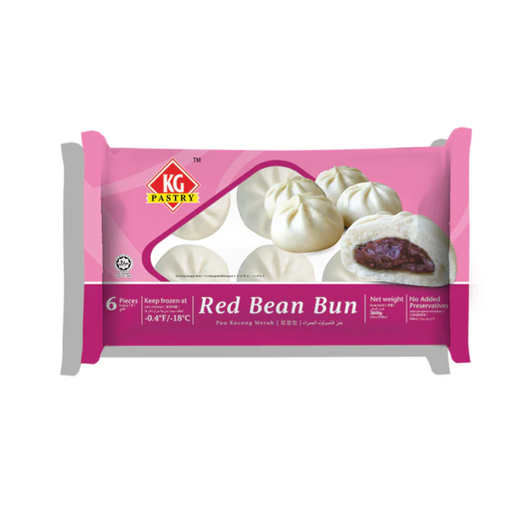
Why This Fits Their Persona: This is for someone who loves a classic sweet treat. Red bean paste is a cornerstone of Asian desserts, and these buns offer that comforting, earthy sweetness in a soft, fluffy package. They are ideal for an afternoon snack with tea or a light dessert.
It avoids the filling-to-bun ratio trap by having a generous 33% red bean paste filling. This ensures a flavourful bite every time, with a good balance between the smooth, sweet paste and the soft bun.
The product is Halal certified and contains no added preservatives or artificial colours, appealing to those mindful of additives. It also offers both steaming and microwave instructions for maximum convenience.
We have compiled a complete, real-time list of products that fully satisfy these strict selection criteria and UK safety regulations.
Yes, many frozen buns are designed to be microwaved for convenience. However, for the best texture—soft, fluffy and moist—steaming is generally the recommended method. If you do use a microwave, it's a good idea to place the buns on a plate, sprinkle them with a little water and cover them with a damp paper towel or a microwave-safe lid. This helps to create steam and prevents them from drying out. Always check the package for specific instructions, as cooking times can vary.
The primary difference is the filling. Mantou buns are plain, unfilled steamed buns. They have a subtle sweetness and a soft, often layered, texture. They are typically served as a staple food, similar to bread, to accompany savoury dishes. Bao buns, or baozi, are filled buns. They come with a wide variety of sweet or savoury fillings, such as red bean paste, custard or seasoned meats and vegetables.
Soggy buns are usually caused by excess condensation. To prevent this, first, ensure you line your steamer basket with perforated parchment paper to stop the buns from sticking and allow steam to circulate. Second, don't overcrowd the steamer; leave space between the buns. Finally, to stop water from the lid dripping onto your buns, you can wrap the lid of your steamer in a clean tea towel. This will absorb the condensation, ensuring your buns come out perfectly fluffy.