
24/7 Customer Support

Free returns

Same-day & Next-day Delivery

Quality Guaranteed

Unlock Your Welcome Offers: FREE Delivery | Up to 80% OFF | Free 30-day JoyPlus trial
Download the APP
Frozen steamed buns are a convenient way to enjoy Chinese steamed buns, Korean steamed buns and dim sum at home without preparing dough from scratch. They can suit a quick breakfast, student meal, family snack or freezer backup.
However, product descriptions can make very different items sound similar. A filled bao, plain mantou, hirata bun and pan-fried bun require different preparation methods and suit different occasions. Before buying, check the details that affect portion size, cooking time, allergens and freezer storage.
A plain wheat bun, or mantou, contains no filling and works well as a side dish or breakfast staple. Bao buns and baozi normally contain a sweet or savoury filling, such as pork, red bean, vegetables or char siu. Hirata buns are usually folded buns designed to be opened and filled at home.
If you want a ready-to-eat centre, choose filled buns such as pork buns or red bean buns. If you prefer to create your own meal, a large pack of hirata buns may offer more flexibility.
Cooking instructions vary. Some products are ready to steam directly from frozen, while others require thawing first. Pan-fried bao should not be treated like standard steamed buns, and some Korean jjinppang products can also be reheated in a microwave or air fryer.
Always follow the instructions on the packaging. Do not refreeze a product after it has thawed, and make sure filled products are heated thoroughly before serving.
A small 200g or 300g pack may suit one or two people, but larger packs can be more practical for families or regular breakfasts. Check the number of pieces as well as the total weight, because individual bun sizes differ.
Most frozen bao and mantou contain wheat or gluten. Depending on the filling, products may also contain soy, sesame, milk, egg, fish, shellfish or molluscs. Read the current UK packaging before purchase, particularly if you are buying vegetarian steamed buns or food for someone with an allergy.
Look for clear instructions stating whether the buns can be cooked from frozen. For example, San Quan Wheat Bun is a plain mantou-style product, while the Freshasia Chinese Bun with Chinese Spinach Filling is described as requiring steaming until thoroughly cooked, without thawing.
Cooking equipment also matters:
Choose according to how you plan to eat the buns:
Frozen products should generally be kept at -18°C or below, as stated on the packaging. Keep the bag sealed to reduce freezer burn and check the best-before information before ordering. Once opened, reseal the pack properly and consume according to the product guidance.
For products containing meat, seafood or egg, cook until piping hot throughout. Product labels should take priority over general cooking suggestions, as formulations and instructions may change.
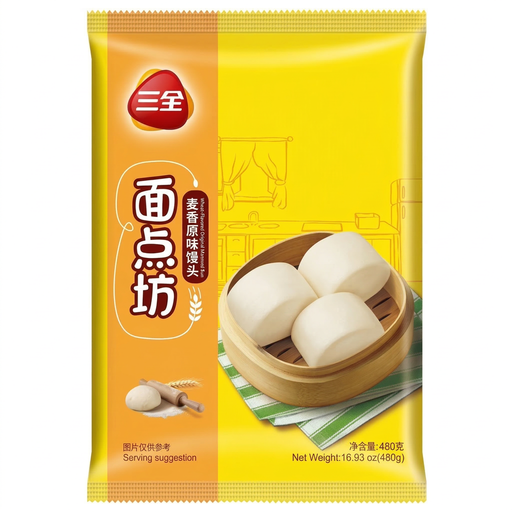
Why This Fits Their Persona: A straightforward option for first-time buyers, students and households wanting a plain breakfast staple without choosing a filling.
The product is clearly positioned as a wheat bun rather than a filled bao, making the expected taste and use easier to understand.
Contains wheat flour, water, sugar, sunflower oil and yeast; the 480g pack is listed as approximately 12 pieces.
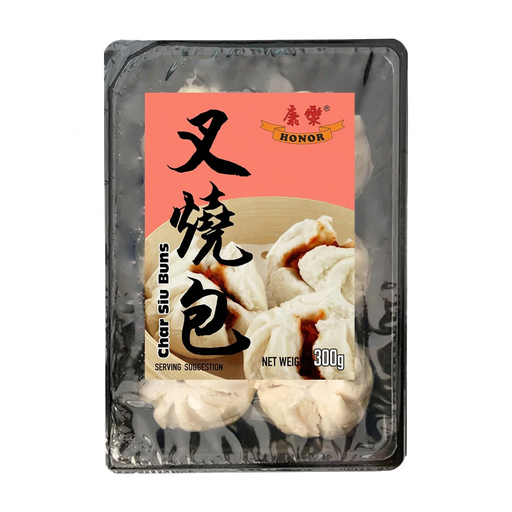
Why This Fits Their Persona: Suitable for dim sum lovers who want a recognisable Cantonese combination of soft dough and barbecued pork filling at home.
The filling is specified as char siu-style barbecued pork, so shoppers are not mistaking a plain bun for a complete savoury snack.
The 300g product is frozen and ready to steam; listed allergens include wheat, gluten, soy and sesame.
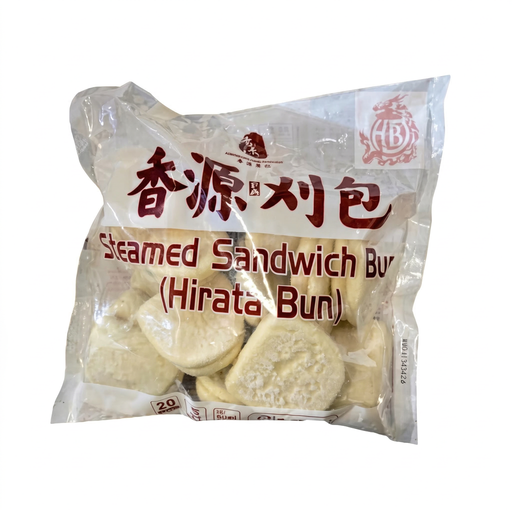
Why This Fits Their Persona: A practical choice for larger households, meal planners and home cooks who want to prepare gua bao with different fillings.
Its folded, fill-at-home format makes the intended use clear, while the 1.2kg pack reduces the risk of running short when serving several people.
Made for Taiwanese gua bao; the listed ingredient allergen is wheat, and the buns can be paired with meat, tofu or vegetables.
We have compiled a complete, real-time list of products that fully satisfy these strict selection criteria and UK safety regulations.
Many products are designed to steam from frozen, but not all. Check the individual packaging before cooking. Place buns in a steamer with enough space for expansion, and heat until piping hot throughout.
Keep them at -18°C or below and follow the best-before date on the packaging. Once thawed, do not refreeze. Opened packs should be resealed and used according to the product’s storage instructions.
Some are, but this depends on the ingredients. Plain mantou and vegetable-filled buns may be suitable, while pork buns, fish tofu buns and products containing oyster sauce are not. Check the full ingredient list and allergen statement rather than relying only on the product title.