For routine batch cooking, a plain frozen vegetable bag makes sense when its mix, pack size and cooking instructions fit the menu. Steam bags are worth considering for smaller microwave batches, but neither format establishes suitability for an individual resident: check the received label and assess the finished dish against the care plan, including any prescribed texture.
Who is choosing the vegetables?
Care-home catering managers planning menus
You need a vegetable mix that works across the menu cycle, with a pack size the kitchen can store and use. The British Dietetic Association’s Care Home Digest includes budget and available resources among menu-planning considerations; the product choice still needs to fit residents’ requirements.
Kitchen teams cooking resident meals in batches
You need to match the pack’s cooking directions to the kitchen’s equipment and batch size. The named plain mixed-vegetable listings from ASDA and Sainsbury’s give cook-from-frozen instructions; follow the directions on the pack being used.
Teams catering for individual dietary or texture needs
You need to check the resident’s care plan and the received product label before preparing a dish. The British Dietetic Association identifies dysphagia and food allergy as care-home menu considerations; where a texture-modified diet is prescribed, assess the finished food against the applicable IDDSI level.
What should the kitchen check?
Choose a format that fits the cooking workflow, then check the exact vegetable mix and the requirements of the people who will be served.
Loose mixed-vegetable bags
Consider when: The kitchen routinely portions and cooks vegetables in batches.
Bear in mind: The vegetable mix varies between packs, and the product must be cooked according to its instructions.
Specified vegetable medleys
Consider when: A recipe calls for particular vegetables or stated proportions.
Bear in mind: The ingredient list for one named medley does not describe every mix in the range.
Steam bags
Consider when: Small-batch microwave preparation fits the kitchen’s workflow.
Bear in mind: A steam pouch does not determine whether the prepared vegetables meet a resident’s dietary or texture requirements.
| Priority | What to check | Your needs |
|---|
| Menu fit |
Compare the named vegetables and proportions on the exact pack. Check its weight against planned batches and freezer space. |
I need a mix that works in the planned dishes, not just a bag labelled mixed vegetables. |
| Individual requirements |
Check the current ingredient and allergen information against care plans. Consider the whole meal rather than treating its vegetable component as a complete menu assessment. |
Residents may have different dietary requirements and preferences, so one routine kitchen ingredient may not suit every plate. |
| Finished texture |
Where a texture-modified diet is prescribed, prepare and assess the finished dish against the applicable IDDSI level and care plan. |
For a resident with dysphagia, I need the served dish to meet their prescribed consistency; the frozen ingredient alone cannot show that it does. |
| Preparation |
Read the exact pack’s storage, cooking and reheating directions. Match loose bags or steam pouches to the kitchen equipment and batch size. |
Our kitchen needs a preparation method staff can follow for the number of meals being served. |
| Allergen control |
Check the label on received stock and keep the kitchen’s ingredient records current when a product changes. Follow the site’s cross-contact controls. |
I need staff to work from the pack actually delivered, rather than relying only on an earlier online listing. |
Common purchasing mistakes
-
Assuming one vegetable mix suits every resident
A routine frozen mix does not establish that a finished meal meets individual dietary requirements. For dysphagia, the British Dietetic Association describes texture-modified diets using the IDDSI framework.
Check the recipe and each relevant care plan; prepare and assess a prescribed texture-modified dish separately.
-
Using a website listing as the kitchen’s final specification
Product information can change. The Food Standards Agency’s MyHACCP guidance also addresses allergen control and suitable frozen-food storage arrangements.
Check the received pack’s ingredients, allergen declaration, storage conditions and cooking directions, and update kitchen records when the product changes.
-
Choosing steam bags for every batch without checking the workflow
A small microwave pouch may be useful for individual preparation, but its format does not establish a fit for routine batch cooking or prescribed textures.
Match pouch size and cooking method to the kitchen’s equipment and planned portions; use loose vegetables where batch preparation and resident requirements allow.
Brand and range references
These examples describe named vegetable lines, not everything sold under each brand.
ASDA / Just Essentials by ASDA
ASDA lists separate 1kg Just Essentials and standard mixed-vegetable bags.
- The named packs offer different vegetable combinations to compare with a recipe.
- Both are raw frozen products with cook-from-frozen directions; check the exact pack before use.
Tesco
Tesco’s frozen-vegetable category includes plain mixed bags and recipe-oriented mixes.
- The range gives kitchens different mix types to assess for a menu.
- A category listing does not establish identical ingredients or availability for every product.
Sainsbury’s
Sainsbury’s 1kg Mixed Vegetables lists carrots, peas, green beans and sweetcorn.
- The named vegetables can be checked against a planned recipe.
- The mix requires cooking and does not replace an individual dietary or texture assessment.
Waitrose Essential
Essential Mixed Vegetables is a 1kg ready-to-cook mix of carrots, peas, green beans and sweetcorn.
- Its stated composition makes it straightforward to compare with a menu recipe.
- Confirm the current pack instructions and whether the product fits the home’s ordering arrangements.
Birds Eye
Birds Eye offers named mixed-vegetable products and Steamfresh pouch formats.
- Country Mixed Vegetables lists broccoli, cauliflower, carrot and peas in equal proportions.
- Check the ingredients and cooking method of the particular mix or pouch; the Country Mix composition does not apply across the range.
M&S
Frozen British Vegetable Medley is a mix of broccoli, cauliflower, garden peas and Chantenay carrots.
- The named vegetables can be assessed against a planned dish.
- M&S identifies the product as raw and requiring cooking; follow the current pack directions.
Joybuy vegetable options
These Birds Eye options include steam bags for smaller microwave batches, alongside peas and a peas-and-sweetcorn mix for recipes using those vegetables. Check each pack and the planned preparation method before choosing for a care-home menu.
 No image available
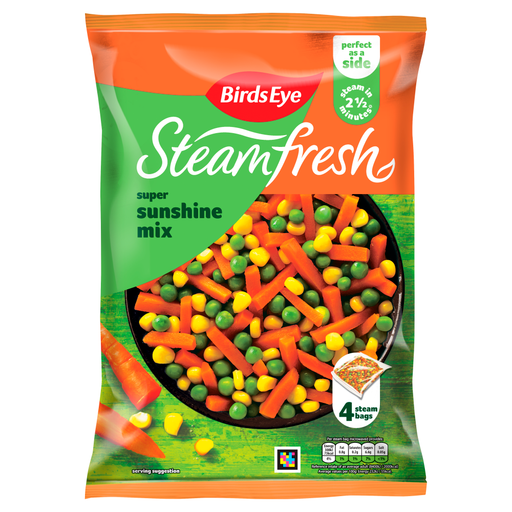
Birds Eye Steamfresh Super Sunshine Mix, 4 steam bags, 540g
Consider the four-bag format for small microwave batches. The listed mix is 47% carrots, 30% peas and 23% sweetcorn; check the received label and assess any prescribed texture in the finished dish.
 No image available
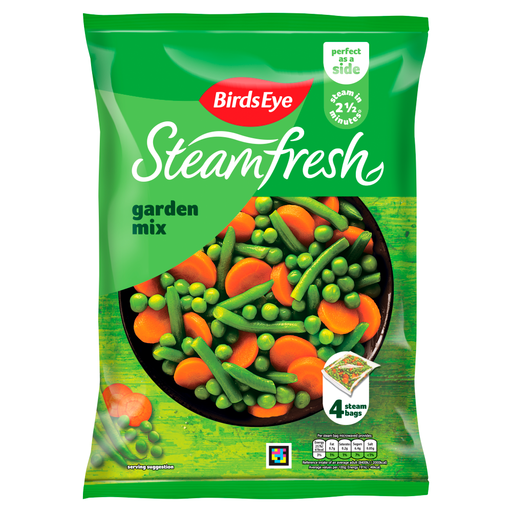
Birds Eye Fresh Garden Mix steam bags, 4-pack, 540g
The four steam bags may fit a small-batch microwave workflow. This mix lists carrots, peas and green beans; confirm the pack directions and assess the prepared dish against individual care plans.
 No image available
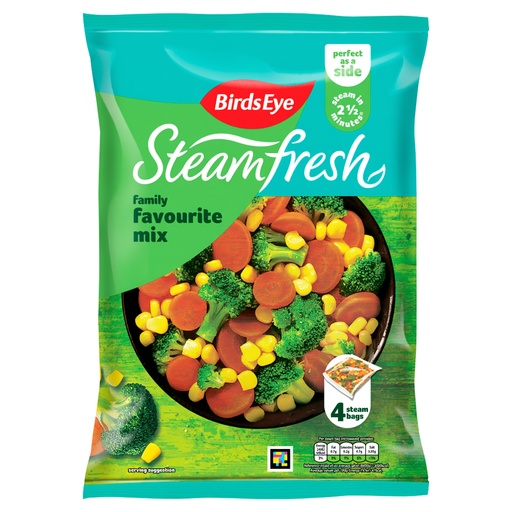
Birds Eye Steamfresh Family Favourite Mix, 4 steam bags, 540g
Four steam bags provide a format to consider for small microwave batches. The named vegetables include carrots, broccoli and sweetcorn; check the full received label and any resident-specific requirements.
 No image available
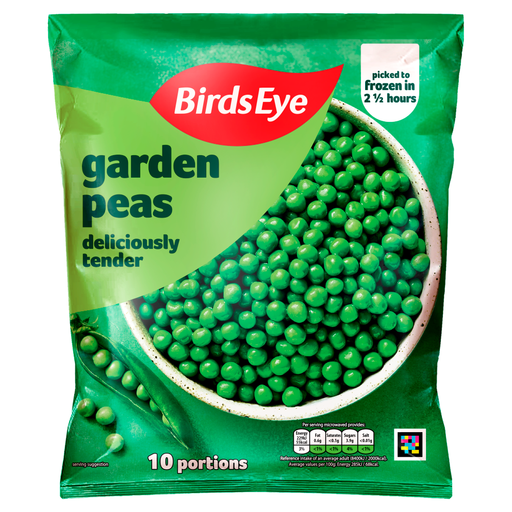
Birds Eye Garden Peas, 800g
This 100% garden-pea pack suits a menu calling for peas rather than a mixed-vegetable ingredient. The product information gives microwave and boiling directions; follow the received pack and assess any prescribed texture after preparation.
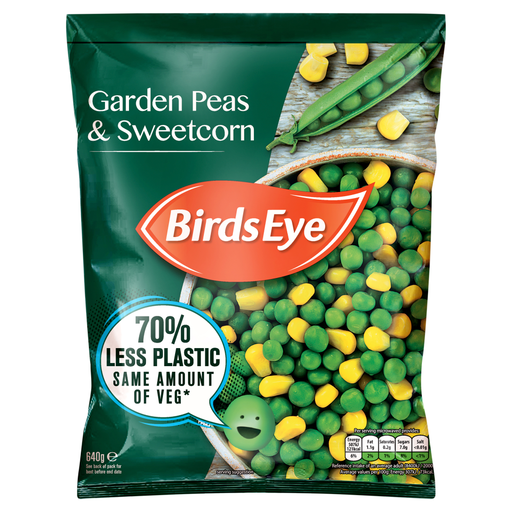 No image available
Birds Eye Peas and Sweetcorn Mixed Vegetables, 640g
For a recipe using both vegetables, the listed mix is 70% peas and 30% sweetcorn. Its directions call for cooking from frozen until tender and piping hot; check the received label and the finished dish against individual requirements.
Frequently asked questions
Does choosing a plain frozen vegetable bag meet a care home’s nutrition requirements?
Not on its own. The Care Quality Commission’s Regulation 14 requires the nutritional and hydration needs of people using regulated services to be met. Assess the overall menu and individual care plans; a vegetable pack is one ingredient, not an assessment of the meals served.
Can ordinary frozen mixed vegetables be served to a resident with dysphagia?
Only when the finished dish has been prepared and assessed against that resident’s prescribed texture and care plan. British Dietetic Association guidance says texture-modified diets for dysphagia use the IDDSI framework; an ordinary frozen-vegetable pack cannot establish the consistency of the food as served.
Which cooking directions should kitchen staff follow?
Follow the directions on the exact pack being prepared, including its storage, cooking and reheating instructions. The named ASDA mixed-vegetable products say to cook from frozen and check that the food is piping hot; do not transfer a method or timing from one product to another.
How should the kitchen check allergens when a frozen vegetable product changes?
Check the label on the received pack and update the kitchen’s ingredient and allergen records for the product being used. The Food Standards Agency’s MyHACCP guidance addresses control of the 14 listed allergens and cross-contact; an earlier online listing should not replace the current pack information.


