Parents making quick household meals
A loose bag lets you take the amount needed for a meal; individual steam bags give you a set portion to cook in the microwave. Check which format fits your usual serving size and available equipment.


Choose plain frozen vegetables when you want to control portions and ingredients; choose plain microwave steam bags when less hands-on preparation matters more than portion flexibility. Neither format is automatically lower in fat: compare the figure per 100g and check prepared mixes for added oil or sauces. If you are serving vegetables to a baby who has started weaning, NHS guidance says to cook them until soft, adjust the texture and add no salt or sugar.
The useful distinction is not just which vegetables are in the bag, but how much preparation and portion control your household needs.
A loose bag lets you take the amount needed for a meal; individual steam bags give you a set portion to cook in the microwave. Check which format fits your usual serving size and available equipment.
For a baby beginning complementary feeding at around 6 months, plain vegetables give you control over cooking and texture. NHS Best Start in Life advises serving suitably softened vegetables alongside the baby’s usual breast milk or first infant formula, without adding salt or sugar.
Plain vegetables and prepared vegetable dishes can have different ingredients and nutrition figures. Read the exact pack’s ingredient list and fat value per 100g rather than relying on the word “vegetables” in its name.
Start with the cooking format, then compare ingredients and fat per 100g on the packs that suit your routine. A larger bag also needs to fit the space you have in your freezer.
Choose when: You want to take different amounts for individual meals, family portions or batch cooking.
Trade-off: You portion and cook the vegetables yourself, and a larger bag needs freezer space.
Choose when: A set portion cooked in the microwave suits a short, low-preparation routine.
Trade-off: Individual pouches offer less flexibility over portion size and require you to follow the pack’s microwave and hot-steam directions.
Choose when: The stated seasoning and cooking style suit the meal you are making.
Trade-off: Added oil, sauces or seasonings change the ingredient list and may change the fat figure, so compare the exact product with a plain mix.
| Priority | What to check | Your needs |
|---|---|---|
| Preparation | Check whether the pack uses a steam pouch or needs a pan or microwaveable dish. Follow its cooking time, wattage and standing instructions; Tesco Groceries lists 4 minutes 30 seconds for its Carrot, Broccoli & Corn steam bags. | On a busy evening, a set microwave portion might suit me better than measuring vegetables from a loose bag. |
| Ingredients and fat | Compare fat per 100g on the same basis and read the ingredients. Tesco Groceries lists 0.8g per 100g for its plain Mixed Vegetables and 2.3g per 100g for its Mediterranean Style Roasting Vegetables, which include oils. | I would rather choose a plain base and decide for myself what to add than assume a seasoned vegetable mix has the same composition. |
| Portions and storage | Check the bag size, pouch size and space in your freezer. Tesco Groceries describes its loose Mixed Vegetables as individually frozen for small or large handfuls. | Sometimes I need a small amount; at other times I am cooking for the household. A flexible bag is useful only if I have room to store it. |
| Food for a weaning baby | Check every ingredient and the cooking directions on the current pack. NHS Best Start in Life advises cooking vegetables until soft, then mashing, blending or serving them in a suitable finger-food form, without added salt or sugar. | If I am serving some to a baby who has started weaning, I need to prepare that portion to a suitable texture rather than serve it exactly as I would for an adult. |
Added oils can make a prepared mix different from a plain one. Tesco Groceries lists 2.3g fat per 100g for its oil-containing Mediterranean Style Roasting Vegetables, compared with 0.8g per 100g for its plain Mixed Vegetables.
Compare the fat figures per 100g and read the ingredient lists on the products you are considering.
A loose bag allows flexible portions, but it still needs space in the freezer between uses.
Check the pack size against your available space and how often you expect to use it before choosing between a larger bag and smaller portions.
A vegetable product may contain seasonings or other ingredients, and its usual serving texture may not suit a baby beginning weaning.
Check the current pack, cook the vegetables until soft and prepare a suitable texture. NHS Best Start in Life advises against adding salt or sugar to a baby’s food.
Cooking methods differ between loose vegetables and steam pouches, including whether a microwave bag needs standing time.
Before serving, check the pack in hand for ingredients, allergens, storage directions and the cooking method for that product.
These examples show why it is worth comparing individual products within a range; a brand name alone does not tell you the ingredients, portion format or fat content.
Birds Eye lists both loose peas and Steamfresh vegetable pouches.
Tesco lists loose plain vegetables, individual steam bags and oil-containing prepared mixes.
M&S lists plain vegetable medleys alongside more prepared frozen vegetable products.
Waitrose lists loose Essential Mixed Vegetables and a Duchy Organic vegetable mix with different compositions.
These options include a steam-bag mix, loose peas and sweetcorn, and single-vegetable ingredients. Choose by the format and vegetables your meals call for, then check the current pack for nutrition and cooking directions.
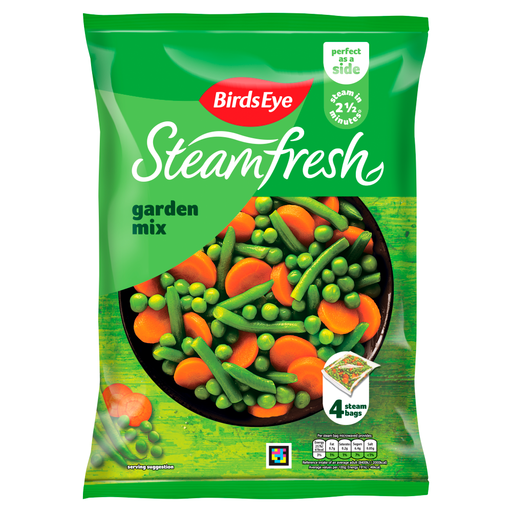 No image available
Consider the four steam bags if a set portion suits your meal routine. Follow the pack’s cooking and hot-steam directions, and check its ingredients and nutrition if fat content is a deciding factor.
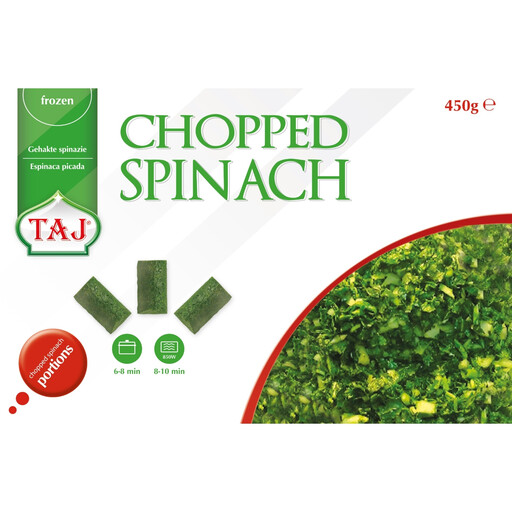 No image available
Chopped spinach suits a meal that calls for spinach rather than a mixed-vegetable side. Check the pack for its cooking method and nutrition details before deciding whether it fits your routine.
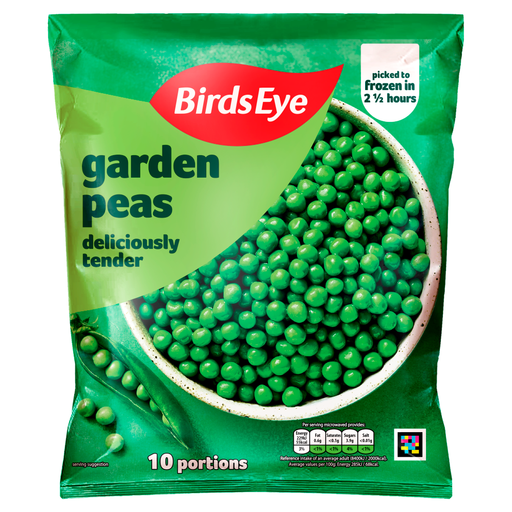 No image available
Choose this peas-only bag when you want peas rather than a mixed side; the pack size is 800g. Follow the cooking directions on the pack and check its nutrition panel when comparing it with other vegetables.
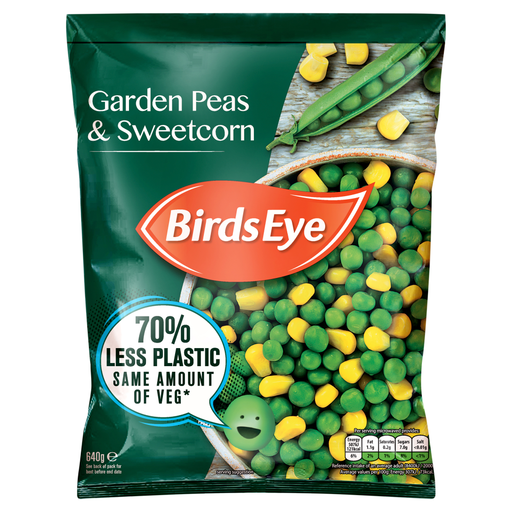 No image available
This 640g bag offers a two-vegetable mix for meals that call for peas and sweetcorn. Check the pack’s preparation instructions and nutrition figures rather than assuming they match another mixed-vegetable product.
 No image available
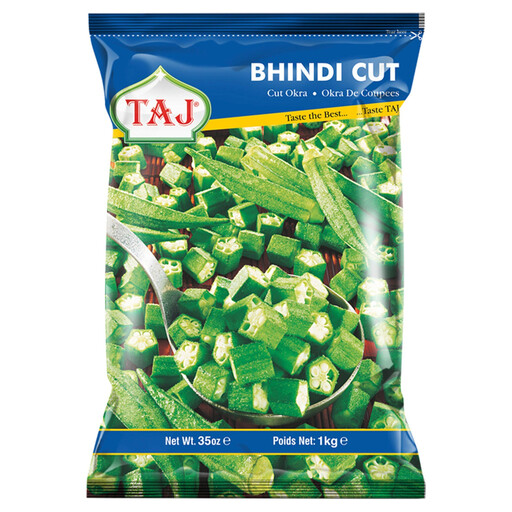
The cut format may suit dishes that call for okra, but this 1kg pack is not a mixed-vegetable side. Make sure the quantity fits your freezer and follow the pack’s cooking directions.
No: plain frozen vegetables are not necessarily reduced-fat versions of another product. Compare the exact nutrition panels instead. Tesco Groceries lists 0.8g fat per 100g for its plain Mixed Vegetables and 2.3g per 100g for its Mediterranean Style Roasting Vegetables, which contain added oils.
Plain frozen vegetables can be prepared for a baby who has started weaning, provided you check the product and prepare them appropriately. NHS Best Start in Life says complementary feeding starts around 6 months alongside usual breast milk or first infant formula; cook vegetables until soft, serve a suitable texture and do not add salt or sugar.
Follow the directions for the exact product rather than thawing it by default. Birds Eye instructs shoppers to cook its Steamfresh Super Sunshine Mix from frozen, while its Garden Peas directions say not to eat the peas raw or defrosted.
Choose a loose bag when you want to vary the amount you cook; choose steam bags when a set microwave portion fits your routine. Check that you have space for the pack, and follow its cooking and standing instructions.
Check the ingredients, allergens, fat per 100g, storage directions and cooking method on the pack you will use. Those details help distinguish plain vegetables from prepared mixes and tell you how to cook that particular product.