For a toddler dinner, compare plain frozen vegetables and unseasoned mixes rather than relying on a ‘reduced fat’ claim. Sainsbury’s Classic Vegetable Mix declares less than 0.5g fat per 100g cooked as directed, while Waitrose Essential Mixed Vegetables declares 1.0g per 100g; check the reporting basis before comparing figures. Follow the chosen pack’s cooking instructions and adapt the cooked vegetables’ shape and texture to the child’s eating skills, in line with NHS food-safety guidance.
Who is this for?
Carers making quick toddler dinners
Frozen vegetables can be cooked as part of a family meal. Check the pack’s cooking directions, then serve the vegetables in a shape and texture the child can manage; NHS guidance identifies firm and small round foods as potential choking risks.
Families comparing ingredients and fat declarations
Plain vegetables and unseasoned mixes give you a way to compare the vegetable component separately from sauces, butter or oil added elsewhere in dinner. Read the ingredient list and the fat declaration per 100g rather than judging by a front-of-pack phrase.
Carers varying vegetables and textures
A single vegetable can be paired with others across meals, while a mixed bag puts several vegetables in one serving. The NHS advises offering different types of fruit and vegetables, including frozen options; adapt each cooked component to the child’s eating skills.
What should you check?
Start with the ingredients and nutrition declaration, then consider preparation and the form in which the vegetables will be served.
| Priority | What to check | Your needs |
|---|
| Ingredients and fat |
Check whether the ingredient list contains only vegetables or also a sauce or seasoning. Compare fat per 100g on the same preparation basis: Sainsbury’s Classic Vegetable Mix declares less than 0.5g per 100g cooked as directed; Waitrose Essential Mixed Vegetables declares 1.0g per 100g. |
I want to know what is in the vegetable side and make my own choices about additions to the rest of dinner. |
| Vegetable variety |
Look at the vegetables named in a mix, or choose a single vegetable to pair with others. NHS guidance includes frozen vegetables among the ways to offer different types. |
A mixed bag would put several vegetables on the plate without preparing each one separately. |
| Cooking and texture |
Follow the pack’s directions for cooking from frozen. Check the cooked size, shape and firmness of each component; NHS guidance highlights firm and small round foods as potential choking risks. |
I need to serve the cooked vegetables in a form this child can manage, particularly when a bag contains pieces of different sizes. |
| Preparation format |
Check whether the product is loose vegetables, a steam bag or another prepared format, and read its specific cooking instructions. |
On a rushed evening, I may prefer a preparation format that fits the meal without overlooking the serving texture. |
| Current label |
Read the ingredients and allergen information on the physical pack. Waitrose and M&S caution that product information can change. |
When an ingredient must be avoided, I need to check the pack I am about to use, even if I recognise the product name. |
Mistakes to avoid
-
Choosing by a ‘reduced fat’ phrase alone
A front-of-pack phrase does not tell you whether the bag contains plain vegetables or a prepared mixture. Sainsbury’s, Waitrose, M&S and Joybuy product listings give different fat declarations for specific plain vegetable products.
Compare the current ingredients and per-100g nutrition, noting whether the figures describe the food as sold or after cooking.
-
Serving every piece of a mix in the same way
Vegetables in one bag can differ in size and firmness. NHS guidance identifies firm foods and small round foods as potential choking risks for young children.
Cook according to the pack, then soften and adapt individual pieces to the toddler’s eating skills; supervise the child while eating.
-
Relying on an older ingredient listing
Waitrose and M&S warn that product information can change, which matters when an ingredient or allergen must be avoided.
Check the ingredients and allergen declaration on the physical pack before preparing it.
Relevant brand examples
Birds Eye
Its Garden Peas illustrate a single-vegetable choice; Birds Eye vegetable mixes offer a different format.
- The Joybuy listing for Birds Eye Garden Peas names garden peas as the sole ingredient and declares 0.7g fat per 100g.
- A single vegetable gives less variety within that serving. Follow the pack’s cooking directions and adapt the peas’ shape for the child.
Sainsbury’s
Classic Vegetable Mix is an example of a plain frozen mix containing carrot, broccoli and cauliflower.
- Sainsbury’s declares less than 0.5g fat per 100g cooked as instructed for this mix.
- Its cooking directions call for the food to be piping hot; assess each cooked vegetable’s texture before serving it to a toddler.
Waitrose
Essential Mixed Vegetables combines carrots, peas, green beans and sweetcorn in one bag.
- Waitrose declares 1.0g fat and 0.03g salt per 100g for this product.
- Check the current pack for ingredients and allergens, particularly when one must be avoided.
M&S
Organic Petits Pois are a single-vegetable alternative to a mixed bag.
- M&S declares 0.7g fat and less than 0.01g salt per 100g for Organic Petits Pois.
- M&S states that this product must be cooked. Consider how to serve small round peas to the individual child.
Tesco
Tesco’s frozen-vegetable category includes plain vegetables, mixes and prepared formats.
- The category offers different formats to compare when deciding how the vegetables will be prepared.
- A category name does not establish the ingredients or nutrition of an individual product; check its own label.
Frozen vegetable options on Joybuy
These options include mixed vegetables, petits pois and chopped spinach for the vegetable component of a toddler dinner. Compare each pack’s ingredients and cooking directions, then decide how to serve the cooked food to the child.
 No image available
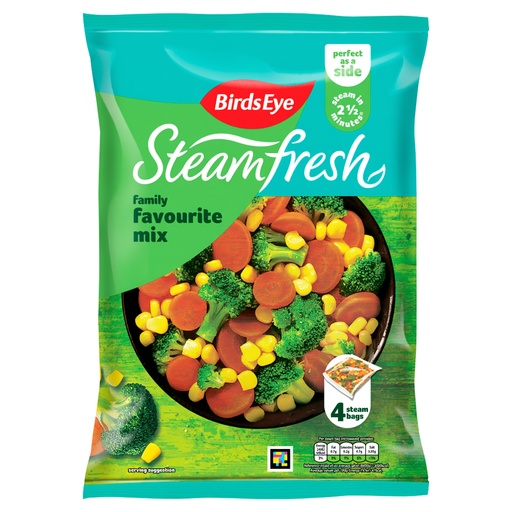
Birds Eye Steamfresh 4 Family Favourite Mix Steam Bags 540g
A steam-bag mixed-vegetable option for a dinner side. Follow the pack’s cooking directions and check the cooked pieces’ texture before serving them to a toddler.
Joybuy
 No image available
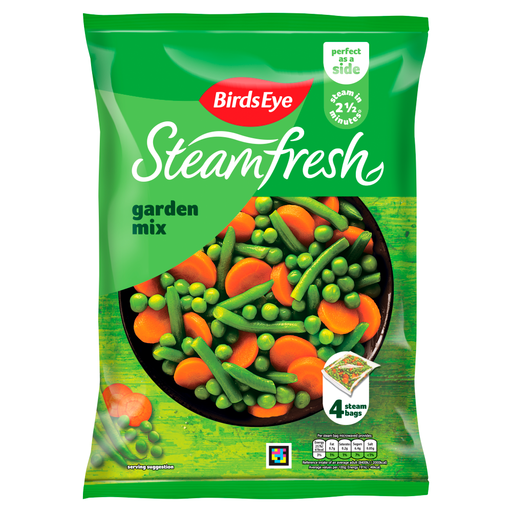
Birds Eye Fresh Garden Mix Steam Bags 4 Pack 540g
Another steam-bag mix for serving vegetables alongside dinner. Read the current pack for its ingredients and cooking directions, and adapt the cooked vegetables to the child’s eating skills.
Joybuy
 No image available
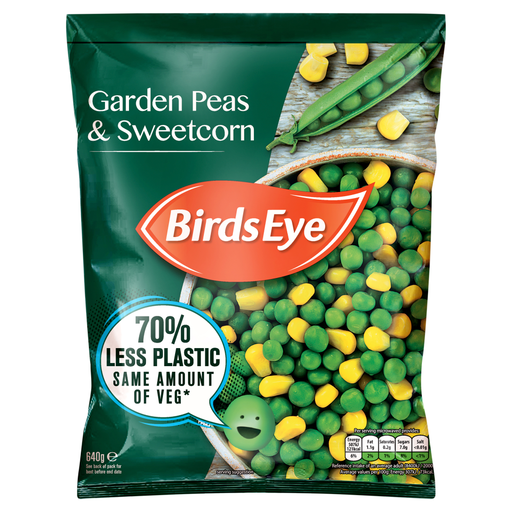
Birds Eye Peas and Sweetcorn Mixed Vegetables 640g
A two-vegetable mix for a dinner side. Follow the pack’s cooking directions; because peas and sweetcorn are small and round, consider their serving form for the individual toddler.
Joybuy
 No image available
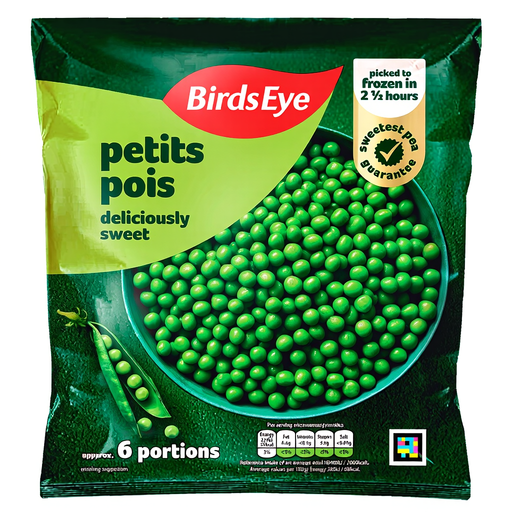
Birds Eye Petits Pois 545g
A single-vegetable choice if other vegetables are being served elsewhere in the meal. Cook according to the pack and adapt the small round peas to the child’s eating skills.
Joybuy
 No image available
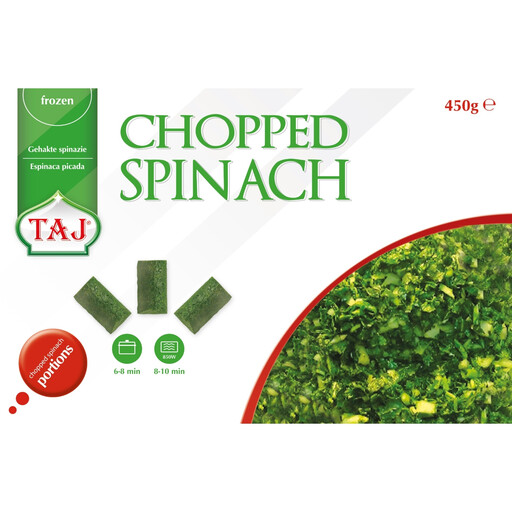
Taj Chopped Spinach 450g
Chopped spinach is an option for cooking into a dinner dish rather than serving a mixed-vegetable side. Cook it thoroughly and inspect the cooked food for firm pieces or stems before adapting the texture for the toddler.
Joybuy
Frequently asked questions
Do I need vegetables labelled ‘reduced fat’ for a toddler dinner?
No particular front-of-pack claim is needed to compare the vegetable component. For example, Sainsbury’s Classic Vegetable Mix declares less than 0.5g fat per 100g cooked as directed, while Waitrose Essential Mixed Vegetables declares 1.0g per 100g. Check the current ingredients, the nutrition panel and whether figures use the same preparation basis.
Can toddlers eat frozen vegetables?
Yes. NHS guidance includes frozen vegetables among the types that can be offered to young children. Follow the product’s cooking instructions and serve the cooked vegetables in a form suited to the child’s eating skills.
How should I serve frozen vegetables to a toddler?
Cook them according to the pack, then check their firmness, size and shape before serving. NHS guidance identifies firm and small round foods as potential choking risks, so soften or adapt pieces as appropriate and supervise the child while eating.
Is a retailer webpage enough to check allergens?
No. Check the ingredient and allergen information on the physical pack you will use. Waitrose and M&S caution that product information can change, which is particularly relevant when an ingredient must be avoided.


