
24/7 Customer Support

Free returns

Same-day & Next-day Delivery

Quality Guaranteed

Unlock Your Welcome Offers: FREE Delivery | Up to 80% OFF | Free 30-day JoyPlus trial
Download the APP
Navigating the world of speciality and frozen vegetables can feel like a chore. You are trying to recreate an authentic dish or simply find a convenient meal solution, but the freezer aisle and online listings present their own set of challenges. As a Joybuy Product Recommendation Officer, my role is to help you see past the marketing and make choices that genuinely suit your kitchen and lifestyle. Let's look at how to stock your freezer and pantry with confidence.
Before you add anything to your basket, be aware of a few common traps that can lead to disappointing meals and wasted money.
To ensure you get quality and value, focus on these three practical details. They are far more important than the promotional claims on the packaging.
Understanding how a vegetable is frozen is crucial for its texture and usability.
For both frozen and preserved items, the ingredient list tells the real story. For a product like frozen taro or sliced lotus root, the list should ideally contain one ingredient: the vegetable itself. For preserved items like pickled mustard greens, look for a short, recognisable list. While some preservatives or acidity regulators are necessary for shelf stability, be wary of products where salt, sugar or flavour enhancers (like E621/MSG) appear at the top of the list. A good vacuum packed bamboo shoot product, for example, should only contain bamboo, water and perhaps a little citric acid to maintain colour.
The way a vegetable is prepared can make or break a dish. If you plan to make a specific curry, you might need to buy frozen okra online that is whole, not cut. For a Chinese hotpot, you need uniformly sliced lotus root that will cook evenly. The country of origin can also be an indicator of authenticity for certain Chinese cooking ingredients. Pre-prepared items like a convenient stir-fry mix save significant time, but check that the mix of vegetables aligns with the flavour profile you are aiming for.
Instead of a generic list, we have matched some practical options to the real-life needs of UK home cooks.

Why This Fits Their Persona: This is for the person who gets home and needs a healthy, flavourful meal on the table in under 15 minutes. This mix eliminates all chopping and prep work, providing a varied base for a quick noodle dish or a side for grilled protein.
It sidesteps the "misleading packaging" pitfall. The contents are clearly listed and include a good variety like bamboo shoots and cloud ear fungus, offering more than a basic pepper and onion mix.
Maximum convenience with zero prep time. An 80g serving counts as one of your five-a-day, making healthy eating effortless.
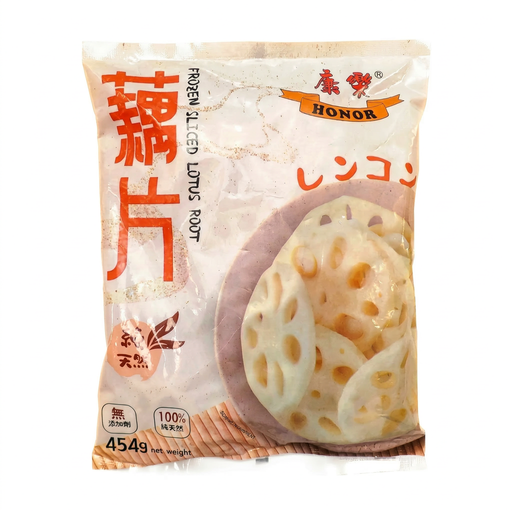
Why This Fits Their Persona: For the home cook dedicated to recreating authentic Chinese hotpot, stir-fries or salads. Finding fresh lotus root is difficult, and preparing it is laborious. This frozen option provides the essential crunchy texture and subtle sweetness with none of the hassle.
It directly counters the "hidden additives" trap with a single-item ingredient list: 100% lotus root. It also proves the value of frozen over fresh by providing a perfectly prepped, year-round supply.
Authenticity and convenience. The uniform slices ensure even cooking, and the IQF method preserves the vegetable's signature crunch.
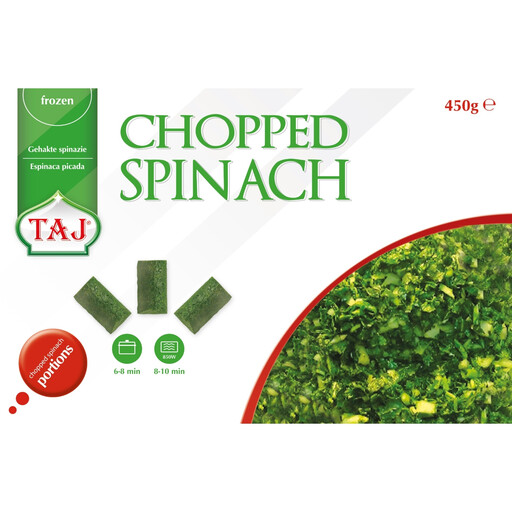
Why This Fits Their Persona: This is a freezer essential for anyone focused on nutrition and efficiency. It is a pure, single-ingredient vegetable that can be added to smoothies, curries, pasta sauces or omelettes to effortlessly boost nutrient intake without the risk of fresh spinach wilting in the fridge.
It completely avoids the additive trap and demonstrates the value of frozen produce in reducing food waste. The chopped format is also genuinely convenient, saving on washing and prep time.
A versatile, nutrient-dense staple with a long freezer life. The fine chop ensures it integrates easily into a wide variety of dishes, from saag aloo to green smoothies.
We have compiled a complete, real-time list of products that fully satisfy these strict selection criteria and UK safety regulations.
Not necessarily. Vegetables destined for freezing are often picked at their peak ripeness and flash-frozen within hours. This process is very effective at preserving vitamins and minerals, such as vitamin C and folate, which can degrade over time in fresh produce during transit and storage. For many out-of-season or imported vegetables, the frozen option can be a more nutrient-rich choice.
The key to crisp, non-slimy okra is to manage moisture and heat. Do not thaw it before cooking. Add the frozen okra directly to a hot, well-oiled pan or wok. Cook it on a high heat and avoid overcrowding the pan, as this will cause it to steam rather than fry. Roasting in the oven is another excellent method for achieving a firmer texture. Avoid boiling or slow-simmering if you want to minimise sliminess.
Pickled mustard greens are a staple condiment and ingredient in many types of Chinese cooking, prized for their salty, sour and savoury flavour. They can be eaten straight from the jar as a side dish with rice or congee. More commonly, they are chopped and added to stir-fries (especially with minced pork), used as a flavour base for soups or served as a topping on a bowl of noodles to add a punch of tangy flavour.