
24/7 Customer Support

Free returns

Same-day & Next-day Delivery

Quality Guaranteed

Unlock Your Welcome Offers: FREE Delivery | Up to 80% OFF | Free 30-day JoyPlus trial
Download the APP
Frozen vegetables can make weekday cooking easier, but not every bag offers the same format, preparation time or value. For UK households, the right choice depends on how you cook, how much freezer space you have and whether the product can go straight into the pan.
Pre-cut vegetables, steam bags and portioned cubes can save time, but they may cost more per 100g than larger plain packs. If you regularly cook for a family, a 1kg bag of cut okra may offer more practical value than several smaller packs. For occasional use, however, smaller packs can help limit opened-product waste.
Most frozen vegetables are raw or partly prepared and still require thorough cooking. Frozen okra, frozen lotus root, frozen taro and frozen cassava should not be eaten straight from the pack. Always check the preparation instructions and cook until piping hot throughout.
Some products have different handling requirements. For example, frozen edamame may be boiled from frozen for four to five minutes, while grated cassava must be cooked thoroughly in a recipe. A product being washed, sliced or individually quick frozen does not automatically make it ready to eat.
A product description may highlight freshness or flavour, but the cut often has a greater effect on the finished dish. Fine frozen spinach works well in sauces and fillings, while sliced lotus root is more suitable when you want visible pieces and a crisp, slightly crunchy texture.
Mixed frozen stir-fry vegetables can also vary considerably. Check the ingredient list to see whether the bag contains the vegetables you actually use, such as beansprouts, mushrooms, babycorn or bamboo shoots.
For simple everyday cooking, look for products with a short ingredient list. Plain frozen vegetables such as okra, spinach, sweetcorn and peas may contain only the named vegetable. This can make them suitable for vegan and vegetarian meal planning, although you should still check the packaging each time.
Flavoured mixes require more attention. A fajita vegetable blend may include oil, seasoning and celery, which matters for anyone managing allergens. Frozen edamame contains soya, so it is not suitable for people avoiding soya-based ingredients.
Compare the net weight, not just the shelf price. Typical options in this range include:
Also consider whether the contents are loose, sliced, cubed or supplied in steam bags. Loose vegetables allow flexible portioning, while steam bags can simplify preparation for one or two people.
Look for clear instructions covering whether the product should be cooked from frozen or thawed first. Frozen peas and many frozen stir-fry vegetables can be cooked directly from frozen. Freshasia Frozen Lotus Roots, by contrast, recommends thawing for more even cooking.
Keep products at -18°C or below, follow the pack’s best-before guidance and do not refreeze after thawing. Opened frozen vegetables should be sealed properly to reduce freezer burn and odour absorption.
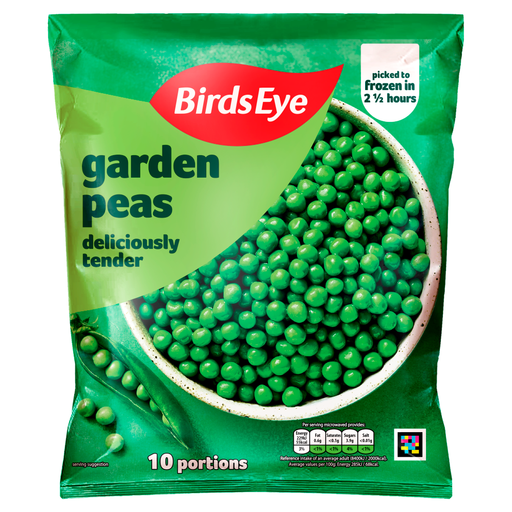
Why This Fits Their Persona: A large plain-vegetable pack suits students, flat-sharers and families wanting a flexible freezer staple for mash, soups, pasta and side dishes.
It uses a straightforward 100% garden pea ingredient list, avoiding unnecessary sauces or seasoning.
800g pack; microwave and boiling instructions; cook-from-frozen preparation.
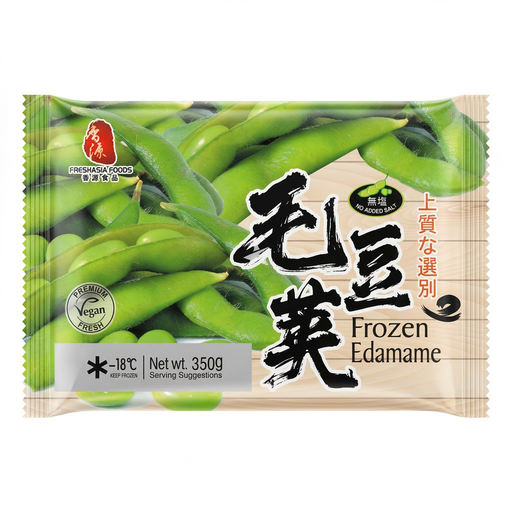
Why This Fits Their Persona: Useful for shoppers who want a versatile plant-based ingredient for salads, rice bowls, appetisers and Asian-style meals.
The pack identifies edamame as 100% soya beans in pods, making the format and soya allergen clear.
350g pack; 11.9g protein per 100g listed; boil from frozen in four to five minutes.
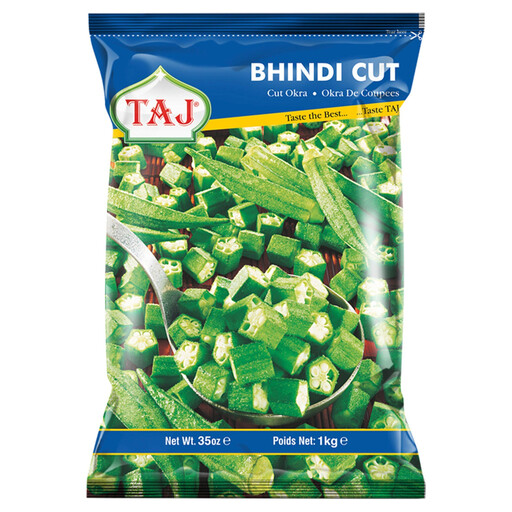
Why This Fits Their Persona: A practical choice for regular curry makers, caterers and larger households that use frozen okra frequently.
The pre-washed, trimmed and cut format removes preparation work without requiring a smaller convenience pack.
1kg quantity; suitable for curries, gravies and stir-fries; listed as suitable for vegans.

Why This Fits Their Persona: Designed for quick noodles, rice or quinoa meals when you want several vegetables without separate chopping.
The ingredient list shows the blend, including peppers, beansprouts, mushrooms, mangetout, babycorn and bamboo shoots.
500g pack; suitable for vegans; cooks from frozen in around eight minutes.
For sauces, curries and fillings, Taj Chopped Spinach 450G is finely chopped and made from 100% spinach. Surya IQF Crushed Garlic & Ginger 400g provides pre-portioned aromatics for curries, soups and stir-fries. If you cook Asian dishes, consider Honor Sliced Lotus Root 454g, Freshasia Frozen Lotus Roots 350g or Honor Taro Slices 454g.
For sweet and everyday side dishes, options include Birds Eye Super Sweetcorn 640g, Kim Son Cooked Sweet Corn 500g, steam-bag vegetable mixes and maple-and-thyme glazed carrots. Those seeking speciality ingredients can also consider Taj Crushed Green Chillies 400gm or Kain-Na Grated Cassava 454g. Always check each product’s label, storage conditions and cooking guidance before use.
We have compiled a complete, real-time list of products that fully satisfy these strict selection criteria and UK safety regulations.
Many can, including frozen peas, frozen spinach, frozen okra and frozen stir-fry vegetables. However, some products recommend thawing for even cooking. Follow the instructions on the specific pack rather than applying one method to every vegetable.
Plain products made from vegetables alone are often suitable for vegan cooking, and several listed products are labelled as suitable for vegans. Check flavoured mixes for ingredients such as dairy, seasoning or allergens, and read the packaging before purchase.
Keep them at -18°C or below, close the packaging securely and avoid refreezing after thawing. Organising vegetables by type and date can help you use older packs first and reduce freezer waste.