Short-trip campers with dependable cooling
A cool box with ice packs may suit a short trip if you can keep food below 5°C until it is cooked. The Food Standards Agency cautions that a cool box is unlikely to keep food chilled for an extended period.


For a short camping trip, plain frozen vegetables are worth considering if you can keep them below 5°C and cook them as directed; the Food Standards Agency warns that a cool box is unlikely to keep food chilled for an extended period. Compare total fat per 100g rather than relying on “reduced fat” wording: the NHS describes 3g or less per 100g as low in fat, while “reduced fat” is a comparison with a similar product. Without dependable cooling on a longer trip, choose shelf-stable foods instead.
Frozen vegetables are a practical choice when the trip has a workable plan for cold storage and cooking, not just room in the food bag.
A cool box with ice packs may suit a short trip if you can keep food below 5°C until it is cooked. The Food Standards Agency cautions that a cool box is unlikely to keep food chilled for an extended period.
Plain vegetable mixes let you check the total-fat figure before adding oil or sauce during cooking. The NHS low-fat guide is 3g total fat or less per 100g; check the particular pack rather than assuming all vegetable products have the same figure.
Steam bags are an option if your pitch or accommodation has a microwave and dependable cold storage. Check the pack instructions if you plan to use a pan instead: Birds Eye gives a pan-cooking method for its Steamfresh Green Vegetable Medley, but methods differ between products.
Start with storage and cooking, then compare nutrition labels and pack sizes among the products that fit your trip.
| Priority | What to check | Your needs and survey context |
|---|---|---|
| Cold storage | Check whether your cooler or camping fridge can keep food below 5°C until cooking. Check that the pack fits alongside its ice packs or other contents. | I need room to store the vegetables safely throughout the trip. In a British Frozen Food Federation report on a panel of more than 80,000 UK consumers, 85% said insufficient freezer capacity limited their frozen-food purchases; that figure concerns shopping generally, not camping coolers. |
| Cooking method | Read the specific pack instructions for hob, pan or microwave preparation. Check whether the vegetables are labelled raw and must be cooked until piping hot. | With only a camping stove, I need a pack I can prepare without a microwave. Thawing raw frozen vegetables is not a substitute for cooking them as directed. |
| Total fat | Compare total fat and saturates per 100g, particularly in products with added sauces or other ingredients. The NHS describes 3g total fat or less per 100g as low in fat; “reduced fat” means at least 30% less fat than a similar product. | I want to know what is in the vegetables before adding my own oil or sauce, rather than treating a comparative label claim as the total-fat figure. |
| Pack size and value | Compare pack weights and, when shopping, the price per kilogram for products that meet your storage needs. Loose vegetables allow flexible portions, while portioned bags may fit a different cooking setup. | For a group, I may use a larger bag; for a short trip, I need to know it will fit in the cooler. YouGov reported value for money as the leading reason for buying frozen food among 62% of 28,421 British adults responsible for grocery shopping in Profiles data from July 2025 to July 2026. That result is not specific to vegetables or camping. |
“Reduced fat” compares a product with a similar one; it does not give its total-fat content. Added sauce, butter or coating can also change the figures you are comparing.
Read total fat and saturates per 100g. For a low-fat choice, the NHS guide is 3g total fat or less per 100g.
The Food Standards Agency says a cool box is unlikely to keep food chilled for an extended period. Frozen vegetables are a poor fit if you cannot keep them below 5°C until cooking.
Plan frozen food around a short trip with dependable cooling, or choose shelf-stable food when that is not possible.
Microwave preparation is only convenient where a microwave is available. Birds Eye provides pan instructions for its Steamfresh Green Vegetable Medley, but cooking options vary by pack.
Check the cooking directions against the equipment you will have at camp before choosing a steam bag.
Sainsbury’s and M&S identify certain frozen vegetable mixes as raw and require cooking. Thawing does not meet those preparation instructions.
Read the pack’s storage and cooking directions, and bring the equipment needed to cook the vegetables as instructed.
These examples show how pack format, ingredients and label figures vary between specific vegetable products; they do not describe every product from each brand or retailer.
Steamfresh Green Vegetable Medley is a seasoned frozen-vegetable option with microwave and pan-cooking directions from Birds Eye.
Tesco Farmhouse Mixed Vegetables come in a 1kg bag of individually frozen vegetables.
Stamford Street Mixed Vegetables and Sainsbury’s Mixed Vegetables are examples of plain 1kg mixes.
Waitrose lists both Essential Frozen British Chunky Vegetable Mix and Duchy Organic Frozen Vegetable Mix.
M&S Frozen British Vegetable Medley is a plain vegetable mix with a listed total-fat figure of 0.7g per 100g.
These steam bags, mixed vegetables and cut okra are options to consider for trips with dependable cold storage. Match the pack’s cooking directions to your equipment, and check its per-100g nutrition label if total fat is your deciding factor.
 No image available
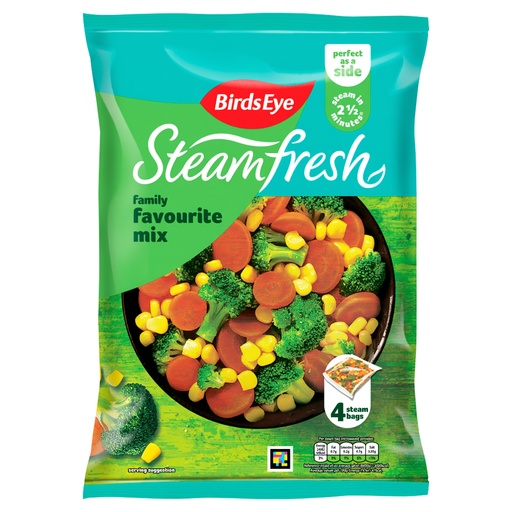
Consider this steam-bag mix for a trip with microwave access and dependable cold storage. The pack is 540g; check its cooking and per-100g nutrition directions before buying.
 No image available
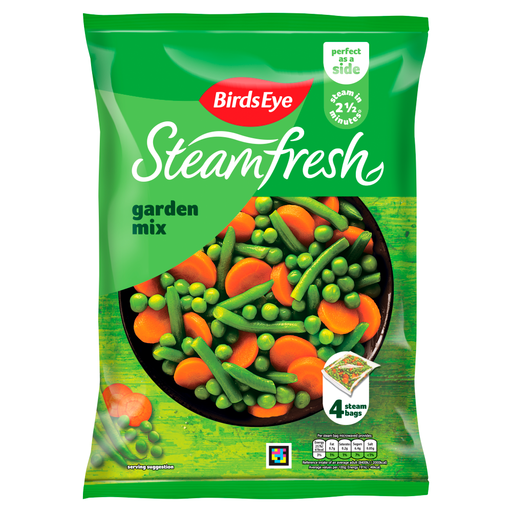
The four-pack steam-bag format is worth considering if you can keep it cold and have a microwave at camp. Check the pack’s preparation directions and total fat per 100g against your needs.
 No image available
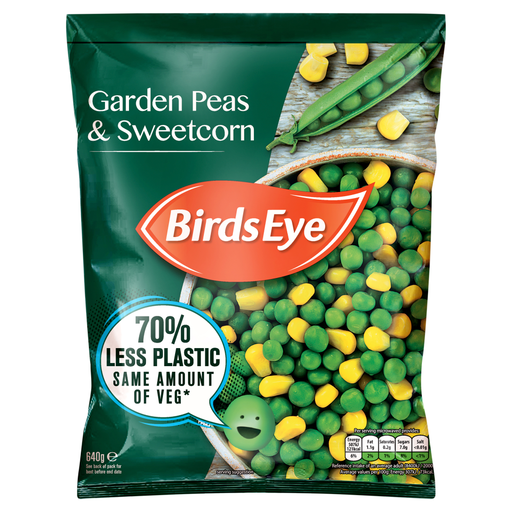
This 640g peas-and-sweetcorn mix suits a trip only if you can store it cold and cook it as directed. Check the cooking method against your campsite equipment and compare total fat per 100g on the pack.
 No image available
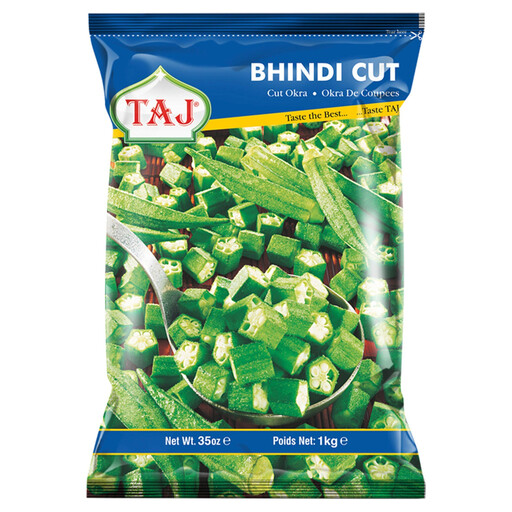
Choose this 1kg pack if cut okra, rather than a mixed-vegetable blend, fits the meals you plan to cook. Allow cold-storage space for the bag and check that its cooking directions suit your equipment.
The NHS describes food with 3g total fat or less per 100g as low in fat, so compare the nutrition tables on the products you are considering. “Reduced fat”, “light” and “lite” mean at least 30% less fat than a similar product; they do not necessarily mean the product is low in fat.
You can consider them for a short trip if the cool box and ice packs keep food below 5°C until cooking. The Food Standards Agency warns that a cool box is unlikely to keep food chilled for an extended period; without dependable cooling on a longer trip, plan shelf-stable food instead.
Follow the directions for the particular mix. Sainsbury’s and M&S identify certain plain frozen mixes as raw or not to be eaten raw, and direct shoppers to cook them until piping hot; thawing alone is not the stated preparation method.
Check the specific pack rather than assuming you can refreeze it. M&S Frozen British Vegetable Medley and Birds Eye Steamfresh Green Vegetable Medley both say not to refreeze after thawing, so plan transport and portions around their storage directions.