Solo cooks making varied meals
A loose bag can supply a side dish one day and an addition to pasta or a stir-fry the next. You can remove the amount each meal needs rather than cooking a whole pre-portioned bag.


For one-person meals, a loose bag lets you take out the amount a dish needs and keep the rest frozen. Choose a recipe mix when you will use its particular ingredients across several meals, or steam bags when a separately packed microwaveable serving matters more than flexible portioning.
A loose bag can supply a side dish one day and an addition to pasta or a stir-fry the next. You can remove the amount each meal needs rather than cooking a whole pre-portioned bag.
Separately packed steam bags suit a routine where measuring loose vegetables and washing a pan are less convenient. Check the weight of each bag: a fixed serving may be more than you want for a particular meal.
Pre-cut stew vegetables, diced onion or soffritto can fit soups and similar recipes. Read the ingredient and allergen information before treating a recipe mix as an interchangeable vegetable side.
Start with the dishes you make repeatedly, then check whether the pack lets you take out the quantity you want and cook it by your usual method.
| Priority | What to check | Your needs |
|---|---|---|
| Flexible portions | Check the pack size and whether you can remove just the vegetables needed for a meal. The NHS uses 80g as an adult fruit-and-vegetable portion reference, not a required amount for every meal. | I cook different dishes and want to vary the quantity without preparing the whole pack. |
| Preparation | Check whether portions are separately packed and whether the pack gives microwave instructions. Tesco lists a steam-bag format with four 160g bags; loose vegetables require you to portion them yourself. | On a busy evening, a contained microwaveable serving may suit me better than measuring from a large bag. |
| Ingredients | Read the vegetable mix and allergen declaration. Sainsbury’s Vegetable Stewpack contains carrot, swede, turnip, celery and onion, so its ingredients suit some dishes better than others. | If I make stews regularly, I can use a recipe mix; for varied sides, I would choose vegetables that fit more of my meals. |
| Storage and cooking | Check the pack’s frozen-storage, cooking and refreezing directions. Use its stated method rather than assuming every vegetable mix needs the same preparation. | I want to use an opened pack across several meals while following its storage and cooking instructions. |
A stew mix may contain vegetables chosen for a particular recipe. Sainsbury’s Vegetable Stewpack includes celery as well as root vegetables and onion.
Check the ingredients and allergens. Choose a recipe mix when its contents fit dishes you expect to make, rather than assuming it will replace a general mixed-vegetable bag.
Tesco lists vegetable steam bags weighing 160g each, while the NHS’s adult fruit-and-vegetable portion reference is 80g. The bag size does not dictate how much you must serve with a meal.
Check the individual bag weight and decide whether you want that amount at once or the flexibility of a loose pack.
Cooking and storage directions vary by product. A method given for one mix should not be assumed to apply to another.
Follow the instructions on the pack you buy, including its directions on cooking from frozen and refreezing after thawing.
These ranges illustrate different loose, recipe-mix and steam-bag formats; the ingredients and instructions of an individual pack determine whether it fits your meals.
Tesco lists loose mixed vegetables, prepared ingredients and separately packed vegetable steam bags.
Birds Eye offers frozen vegetable mixes in Steamfresh bags as well as loose vegetables.
The Essential range includes loose frozen mixed vegetables and vegetable mixes.
Sainsbury’s Vegetable Stewpack is a recipe-specific frozen mix with instructions for cooking an 80g portion from frozen.
M&S lists frozen vegetable medleys, individual vegetables and prepared ingredients such as diced onion and soffritto.
These options include loose vegetables for measuring into individual meals and a four-bag steam mix for a separately packed serving.
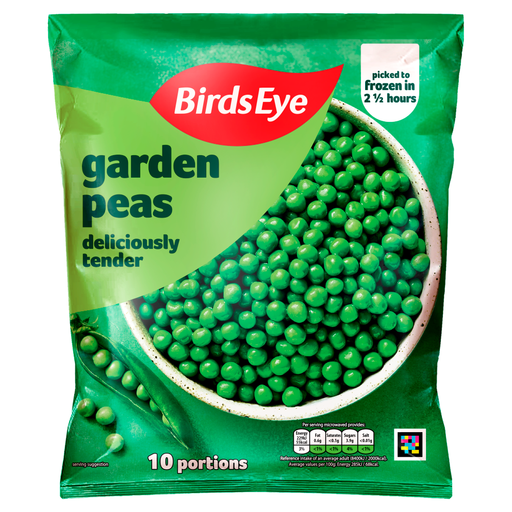 No image available
For vegetable sides across several meals, this bag lets you take out a quantity to suit each dish. The product information gives an 80g serving reference and microwave and boiling methods; follow its cooking and frozen-storage directions.
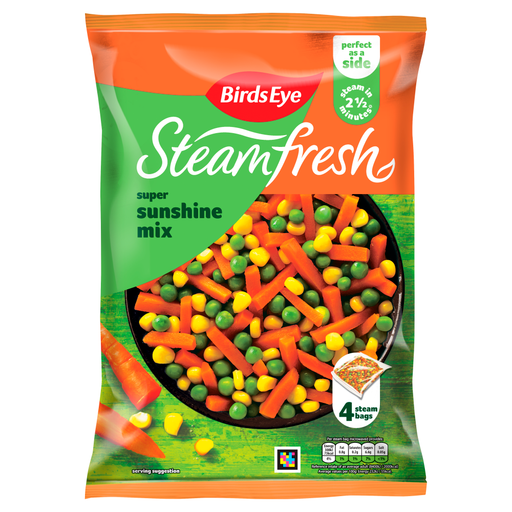 No image available
Four separate steam bags suit meals where you would rather use a contained portion than measure loose vegetables. Check the weight of an individual bag and follow the pack’s microwave and frozen-storage instructions.
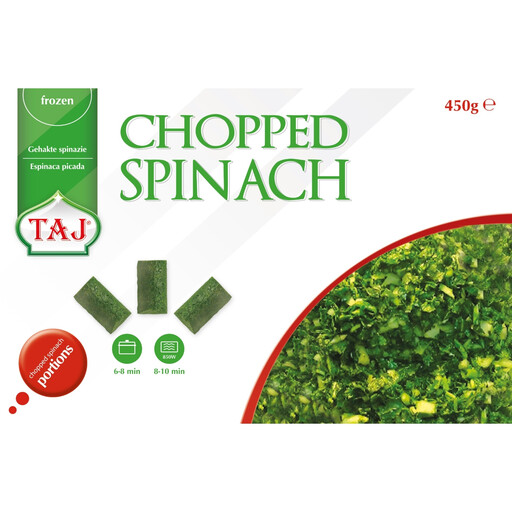 No image available
Chopped spinach can be added to cooked dishes such as soups or pasta fillings when you need a particular vegetable rather than a mixed side. Portion the 450g pack for the recipe and follow its cooking directions.
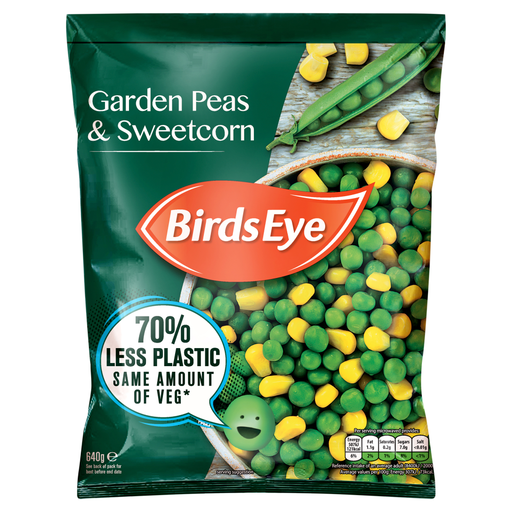 No image available
This peas-and-sweetcorn mix can be portioned for a side dish or added to a recipe. Take out the amount needed from the 640g bag and use the pack’s cooking and storage instructions.
The NHS uses 80g as its reference for one adult fruit-and-vegetable portion. That is a portion-counting reference, not an instruction to use exactly 80g in every meal; measure out the quantity that fits your dish.
Yes. The NHS says frozen vegetables count in the same quantities as fresh vegetables. Its guidance treats potatoes and other starchy foods such as yams, cassava and plantain differently for 5 A Day purposes.
Steam bags are practical if you want a separately packed microwaveable serving and the individual bag contains an amount you will use. Check its weight: Tesco’s listed vegetable steam bags contain 160g per bag, which is twice the NHS’s 80g adult portion reference, though that reference does not limit how much you can serve.
Yes, when the particular pack instructs you to cook from frozen. Sainsbury’s Vegetable Stewpack gives hob and microwave directions from frozen; follow the method on the vegetables you have rather than applying those directions to another product.
Keep the remaining vegetables frozen and follow that bag’s storage directions. Check its instructions on closing the pack, cooking and refreezing: for example, M&S says its frozen peas should be stored at −18°C and not refrozen after thawing.