
24/7 Customer Support

Free returns

Same-day & Next-day Delivery

Quality Guaranteed

Unlock Your Welcome Offers: FREE Delivery | Up to 80% OFF | Free 30-day JoyPlus trial
Download the APP
Navigating the freezer aisle for plant-based options can feel like a gamble. While the convenience of having a quick meal on hand is undeniable, the reality of many frozen vegetarian food products can often fall short of expectations. Many of us have been there: you buy a promising-looking meal, only to be met with a disappointing experience that leaves you questioning your purchase.
As the Joybuy Product Recommendation Officer, my role is to help you see past the appealing packaging and marketing claims. Before you fill your online basket, let's look at the common pitfalls that lead to buyer's remorse and how you can avoid them.
To ensure you're choosing quality products, focus on a few key details on the product page or packaging. This simple check can make all the difference between a satisfying meal and a waste of money.
Always compare products using the per 100g values, not the "per serving" suggestion, as serving sizes can be manipulated to make nutritional values appear lower. Pay close attention to:
The primary ingredient in many meat alternatives dictates its final texture and cooking properties. Understanding the base can help you predict the outcome.
Instead of a generic list, we've matched some standout products to the people we believe they are best suited for.
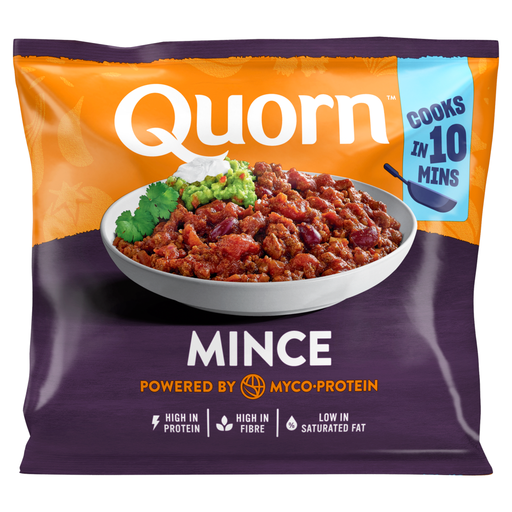
Why This Fits Their Persona: For busy families and professionals, having a reliable base for classic dishes like Bolognese, chilli or shepherd's pie is essential. This meat-free mince is a versatile freezer staple that can be used in countless recipes.
The mycoprotein base provides a consistent, firm texture that doesn't turn to mush, directly solving the "texture letdown." It's a neutral product that absorbs sauces and seasonings beautifully, avoiding the "flavour void."
High in protein and fibre, low in saturated fat and cooks from frozen in just 10-12 minutes. It's a dependable and nutritious foundation for many family-favourite meals.
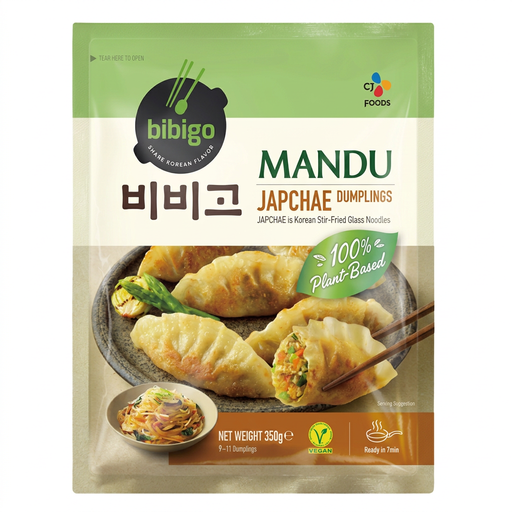
Why This Fits Their Persona: For those who love exploring authentic world cuisines, these vegetable dumplings offer a genuine taste of Korea. They are perfect as a quick snack, appetiser or part of a larger meal with rice and pickles.
These dumplings are packed with a flavourful filling of glass noodles, shiitake mushrooms and other vegetables. This complex, savoury filling completely avoids the "flavour void" and provides a varied, satisfying bite that counters the "texture letdown."
These are fully vegan and offer an authentic Japchae flavour profile. They can be pan-fried for a crispy bottom or steamed for a soft, tender texture, offering great versatility.
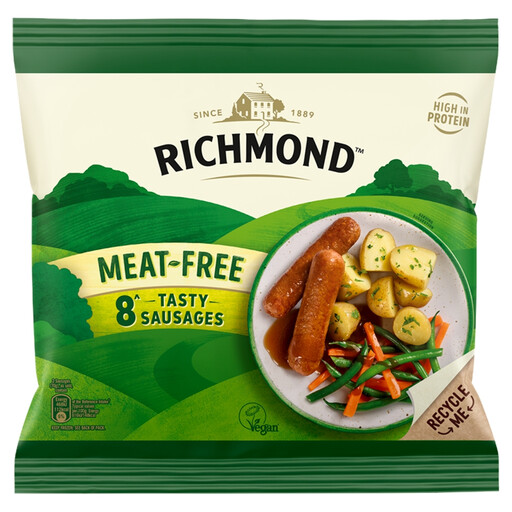
Why This Fits Their Persona: Sometimes, only a classic will do. These vegan sausages are ideal for anyone craving a traditional British breakfast, a simple sausage sandwich or a comforting plate of bangers and mash.
These sausages have been specifically developed to mimic the taste and texture of their meat-based counterparts. This directly addresses the "texture letdown" and "flavour void" that many other meat-free sausages suffer from, delivering a familiar and satisfying experience.
The soya and wheat protein base provides a firm, juicy bite. They cook well from frozen in a pan or the oven, achieving a pleasant golden-brown finish.
We have compiled a complete, real-time list of products that fully satisfy these strict selection criteria and UK safety regulations.
1. Are frozen vegan meals actually healthy? The term "vegan" or "plant-based" doesn't automatically mean healthy. It's important to apply the principles mentioned earlier: check the per 100g nutritional information for sodium, saturated fat and sugar. A meal based on whole vegetables and lean protein will generally be a more nutritious choice than one high in refined starches and fats.
2. What is the difference between vegetarian and vegan frozen food? Vegetarian food excludes meat, poultry and fish. However, it may still contain other animal-derived products like eggs or milk. Vegan food excludes all animal products entirely, including dairy, eggs and honey. Always check the ingredients list and allergen information if you follow a strict vegan diet.
3. How can I make frozen vegetarian food taste less bland? If you find a product with a great texture but a plain flavour, a few simple additions can make a big difference. A splash of soya sauce or tamari can add savoury depth (umami), a squeeze of lemon or lime juice can brighten flavours, and a sprinkle of smoked paprika or garlic powder can add complexity. Fresh herbs like parsley or coriander, added just before serving, can also elevate a simple meal.