Lower-fat roast planners
If you want fish as the roast main without a ready-made coating, plain white-fish fillets are a useful starting point. Check the pack’s fat figure and cooking directions before choosing a portion.


Start with an uncoated white-fish fillet if keeping total fat lower is the main aim for your Sunday roast; the NHS describes white fish as low in fat, and the cooking method and additions matter too. Salmon is an oily-fish option rather than the same lower-fat choice, while coated fish needs its own nutrition and ingredient check. Compare the exact packs on the same preparation basis where possible.
If you want fish as the roast main without a ready-made coating, plain white-fish fillets are a useful starting point. Check the pack’s fat figure and cooking directions before choosing a portion.
Salmon may suit a roast when including oily fish matters alongside the meal’s fat content. It is a different choice from selecting white fish primarily to keep total fat lower.
Plain and coated fish can have different ingredient lists. Breaded or battered products need a separate check for allergens in the coating as well as fish itself.
Choose the fish format, then check its nutrition basis and the cooking directions for the roast you plan to make.
| Priority | What to check | Your needs |
|---|---|---|
| Fish format | Look for plain, uncoated fillets if reducing total fat is the priority. Check the ingredient list for batter, breadcrumbs or sauce; the NHS describes white fish as low in fat. | I want fish to be the roast main without choosing a coated product by mistake. |
| Fat and oily fish | Read total fat per 100g and whether the figure is for fish as sold, oven-cooked or prepared as directed. Sainsbury’s lists 0.5g per 100g oven-cooked for its haddock portions and 3.4g per 100g oven-cooked for its salmon fillets. | If keeping total fat lower matters most, I would start with plain white fish. If I want salmon as an oily-fish option, I can assess it against that different priority. |
| Cooking plan | Check whether the exact product must be thawed or can be cooked from frozen, and follow its own time and method. Account for oil, butter or sauce added during preparation. | I need a method that fits the rest of the roast, with enough time to thaw the fish if the pack requires it. |
| Ingredients and serving | Read the current allergen statement, portion count, net fish weight and frozen-storage directions. Check portions for bones when serving, even if a product is described as boneless. | I want to know how much fish I am serving and whether the ingredients work for everyone at the table. |
A cod fillet and a coated cod product do not have the same ingredient list. Birds Eye lists cod as 54% of its reviewed breaded fillets, with the remainder including breadcrumb coating.
For a lower-fat roast, check whether the exact product is plain, breaded, battered or in sauce, then read its total fat per 100g.
Sainsbury’s gives oven-cooked values for the reviewed haddock and salmon, while ASDA gives a prepared-as-directed value for its reviewed cod loins. Those figures should not be treated as a like-for-like comparison without checking the preparation basis.
Compare figures stated on the same basis where possible, and consider what you will add during cooking.
Frying, butter and rich sauces change the finished dish; a plain fish label describes the fish, not every way it might be served.
Follow the pack’s oven or grill directions if suitable, and account for the ingredients used across the whole roast.
These examples show why the individual product label matters more than a brand name when comparing frozen fish.
Its reviewed frozen haddock and salmon portions offer a comparison between white fish and oily fish in portion packs.
The reviewed plain coley fillets and cod loins are relevant when comparing uncoated white-fish products.
Its reviewed Wild Icelandic Cod Fillets are an example of an uncoated frozen-fish option.
Young’s range includes natural fish fillets as well as breaded, battered and sauce-based products.
The reviewed Birds Eye cod fillets are breadcrumb-coated rather than plain.
Tesco’s frozen-fish categories distinguish coated fish from other fish formats.
These are plain frozen fish fillets to consider for a roast-style main. Check each pack’s nutrition basis and cooking directions before deciding how it fits your lower-fat aim.
 No image available
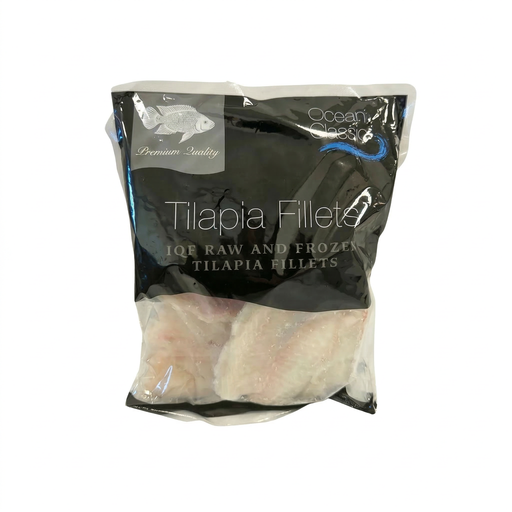
These plain tilapia fillets offer a fish main without a ready-made coating. The listed directions require thawing before cooking, so allow time for that step and follow the current pack instructions. Check how the pack states its fat values before comparing them with cooked-fish labels.
 No image available
These uncoated fillets are an option for a roast-style fish main. The listed directions call for thorough thawing in the refrigerator before cooking, rather than cooking from frozen. Check the current pack’s nutrition basis when comparing fat per 100g with other fillets.
 No image available
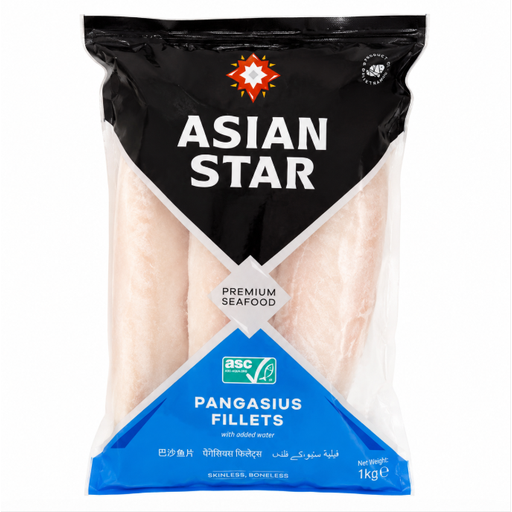
These plain fillets provide another uncoated fish option. The product description notes an ice glaze, so check the current pack to understand the net fish quantity and the basis of its nutrition figures. Confirm the pack’s cooking method and timing before planning it as a roast main.
Start by comparing plain, uncoated white-fish fillets. The NHS describes white fish as low in fat; read total fat per 100g on the exact pack, check whether the value is for fish as sold or cooked, and follow that product’s cooking directions.
Yes, if you want an oily-fish option rather than simply minimising total fat. Sainsbury’s lists 3.4g fat per 100g oven-cooked for its reviewed salmon fillets, compared with 0.5g per 100g oven-cooked for its reviewed haddock portions.
Do not assume it is. Coating changes the ingredients, and a reviewed Young’s coated fish product lists 13.1g fat per 100g. Check the exact product’s fat figure and ingredient list rather than judging it by the fish species alone.
Follow the instructions on the particular pack: some products require thawing, while others permit cooking from frozen. Use its stated method and timing rather than transferring instructions from another fillet, and account for any oil, butter or sauce you add.
Read the current allergen statement for the exact fish product. Fish itself is an allergen, and coatings can introduce others: the reviewed Young’s coated product declares fish, gluten, milk and mustard, while Birds Eye says its reviewed breaded cod may contain milk.