
24/7 Customer Support

Free returns

Same-day & Next-day Delivery

Quality Guaranteed

Unlock Your Welcome Offers: FREE Delivery | Up to 80% OFF | Free 30-day JoyPlus trial
Download the APP
Frozen wontons can turn a busy evening into a quick bowl of soup, noodle dish or shared starter. However, choosing between prawn wontons, pork wontons, Shanghai-style wontons, Korean mandu and ready-made soup meals is not always straightforward. Pack sizes, cooking instructions and filling descriptions can vary considerably.
Before adding a product to your basket, watch for three common buying pitfalls:
The right choice depends on how you intend to cook and serve them, rather than on packaging language alone.
Check whether the product contains pork, prawns, seafood, vegetables or a combination. For example, some prawn wontons also contain pork, while seafood mandu may include prawns, pollock, squid, tofu and cabbage.
Ingredient percentages can help you compare products more meaningfully. The CP Prawn Wonton Soup with Noodles lists prawn wontons containing 38% farm-raised prawns within the wonton component. The King Prawn Wonton Laksa Soup lists prawn at 40% of the prawn wonton component. These figures should be read alongside the full ingredient list, as they do not represent the percentage of prawns in the entire pack.
For a more traditional pork-based option, Shanghai-style meat dumplings and pork-and-cabbage wontons offer a different flavour and texture from seafood-filled products.
A thin wrapper can cook quickly and work well in wonton soup, but it may require gentler handling. Products labelled for soup should be boiled according to the packaging instructions and removed once thoroughly cooked.
Some products can be used in more than one way:
Do not assume that every frozen dumpling can be prepared in the same way. For example, Korean mandu designed for soup may need simmering for several minutes, while a wonton pack may cook in a shorter boiling time.
Most products in this category specify storage at -18°C or below. Keep them frozen until needed and avoid repeated thawing. Several products state that they should not be refrozen after defrosting.
Always read the current packaging before cooking. Common allergens across these products include:
Frozen wontons are cooking-required foods unless clearly labelled otherwise. Follow the stated time and check that the filling is thoroughly cooked and hot throughout before serving.
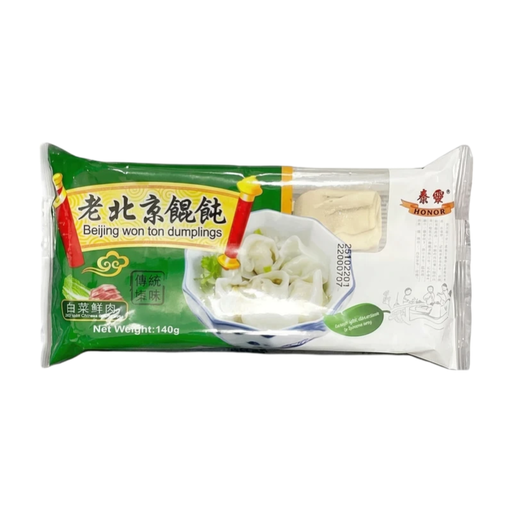
Why This Fits Their Persona: A compact pack for students, smaller households or anyone trying Chinese wontons at home without committing to a large freezer bag.
The pork-and-cabbage filling and 140g quantity are clearly specified, making it easier to plan a single meal rather than relying on vague serving claims.
Cook from frozen in boiling water for approximately 5–7 minutes; contains wheat and soya, which are stated in the product information.
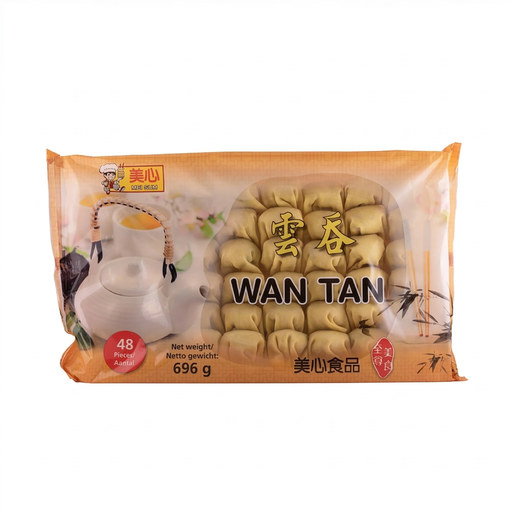
Why This Fits Their Persona: A larger pack for families or regular home cooks who want pork and prawn wontons for several meals.
The 696g net quantity and pork-and-prawn filling are stated clearly, helping shoppers compare total food quantity rather than wrapper appearance alone.
Individually quick-frozen and suitable for soup or stir-fries; contains wheat, egg, soya and sesame.
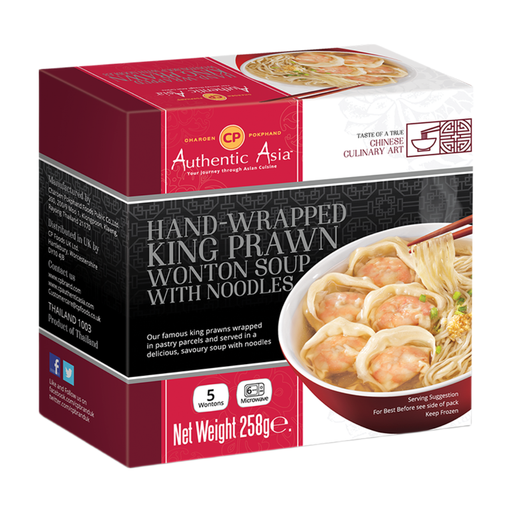
Why This Fits Their Persona: Designed for busy workers, families and students who want wonton noodle soup without separately buying noodles, wontons and broth.
The pack lists separate proportions for noodles, prawn wontons and soup, so the meal format is clear before purchase.
Includes wheat noodles, prawn wontons and soup in one frozen pack; cook from frozen for around 3–5 minutes according to the listed instructions.
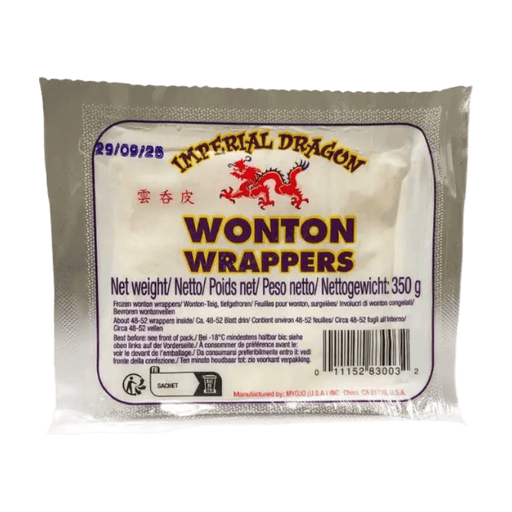
Why This Fits Their Persona: Suitable for home cooks who want control over fillings, portion sizes and cooking methods.
The product is clearly sold as wrappers rather than filled wontons, avoiding confusion over whether a ready-made meal is included.
Approximately 30 square wrappers per 350g pack; suitable for boiling, steaming or frying after filling, subject to safe cooking.
We have compiled a complete, real-time list of products that fully satisfy these strict selection criteria and UK safety regulations.
For a custom meal, combine frozen wontons with a soup base, noodles and vegetables. Lee Wonton Soup Base Mix makes 500ml broth per 9g sachet when dissolved in boiling water or broth. It contains soya and sesame, so check the allergen information before use.
Prawn-filled options can also be paired with laksa or Tom Yum broth. The King Prawn Wonton Laksa Soup and King Prawn Wonton Tom Yum Soup provide pre-portioned alternatives for shoppers who prefer a ready-to-prepare South-east Asian-style meal.
For a Korean-inspired dish, Allgroo Seafood Mul Mandu is designed for soup and contains prawns, pollock, squid, tofu and cabbage. Its listed cooking method involves simmering frozen mandu for 5–7 minutes until floating and fully cooked.
Cooking times vary by product and size. Many frozen wontons take around 3–7 minutes in boiling water, while larger Shanghai-style wontons may require longer. Floating can be a useful indication, but always follow the packaging instructions and check the filling is cooked through.
Some products can be added directly to boiling broth, while others are better cooked in water first to keep the soup clearer. Check the specific instructions. Avoid thawing unless the product says it is required, and never refreeze wontons once they have thawed.
Yes, provided your freezer remains at -18°C or below and the pack is used within its best-before guidance. Choose larger packs for family meals or individual soup packs when portion control and speed are more important. Always reseal opened packaging and follow the storage directions on the label.