
24/7 Customer Support

Free returns

Same-day & Next-day Delivery

Quality Guaranteed

Unlock Your Welcome Offers: FREE Delivery | Up to 80% OFF | Free 30-day JoyPlus trial
Download the APP
Frozen wontons can turn a basic stock, noodle dish or hot pot into a filling meal in minutes. However, the range includes different wrappers, fillings, pack sizes and cooking methods, so a low-priced pack is not automatically good value for your household.
This guide explains the practical details to check before buying frozen wontons, including pork wontons, prawn wontons, seafood wontons and Korean mandu. It also highlights suitable options for students, families, soup lovers and shoppers stocking the freezer.
The terms are often used broadly, but the products may suit different dishes. Chinese wontons generally have thin wrappers and are commonly served in broth or with a dipping sauce. Frozen dumplings may have thicker pastry and are often boiled, steamed or pan-fried. Korean mandu can be larger and may contain vegetables, meat or seafood, with some varieties made specifically for soup.
Check the product description and cooking instructions rather than relying only on the front-of-pack image. A wonton designed for soup may become fragile if fried, while a dumpling intended for pan-frying may need a longer cooking time.
Seafood wontons can contain several ingredients, including shrimp, prawn, pollock, squid, surimi or oyster seasoning. If you are buying shrimp wontons, check the ingredient list for the actual percentage of shrimp and look for other fish or molluscs.
This is particularly important for UK shoppers managing food allergies. Common allergens in these products include wheat, egg, soya, sesame, crustaceans, fish, milk and molluscs. Always read the current packaging before purchase, as recipes and allergen declarations can change.
A small 120g or 140g pack may suit one quick meal, but it may offer less convenience for a family or regular hot pot use. Conversely, a 696g bag may be poor value if you only cook wontons occasionally and cannot use the pack promptly after opening.
Frozen wontons should normally be stored at -18°C or below. Avoid repeatedly thawing and refreezing them. Follow the pack instructions and cook them from frozen where specified.
The ingredient order shows which components make up most of the product. Maxim’s Wanton 174g lists pork at 36% and includes cabbage and shiitake mushrooms. HONOR Old Beijing Wontons – Pork & Cabbage 140g lists pork at 30% and pak choi-style Chinese cabbage as part of its filling.
For seafood options, HONOR King Prawn Wonton 180g lists pork at 40% and prawns at 20%. Allgroo Seafood Mul Mandu includes shrimp at 10%, along with pollock, squid, cabbage and tofu. These details help you compare products objectively instead of relying on phrases such as “premium” or “full of seafood”.
Thin wrappers can provide a lighter texture and may work well in soup, but they can split if overcooked or stirred aggressively. Some products contain egg in the wrapper, while others use wheat flour, water and salt.
Look for clear instructions stating whether the wontons are ready-to-cook from frozen. Typical boiling times in this selection range from approximately 3 to 8 minutes, depending on size and filling. Floating is often used as a cooking indication, but it should not replace checking that the filling is thoroughly cooked.
Nutrition panels are listed per 100g, so compare packs on the same basis. For example, Xianmeilai Hot Pot Shrimp Wonton lists approximately 155 kcal and 1.3g salt per 100g, while Allgroo Seafood Mul Mandu lists approximately 213 kcal and 1.8g salt per 100g.
Wontons served in stock, soy sauce or chilli oil can contribute additional salt. If you are preparing wontons for soup, use an unsalted or lightly seasoned broth and add vegetables, noodles or leafy greens according to your preference.
The following options match different shopping needs, based on listed ingredients, pack sizes, cooking directions and suggested serving styles.
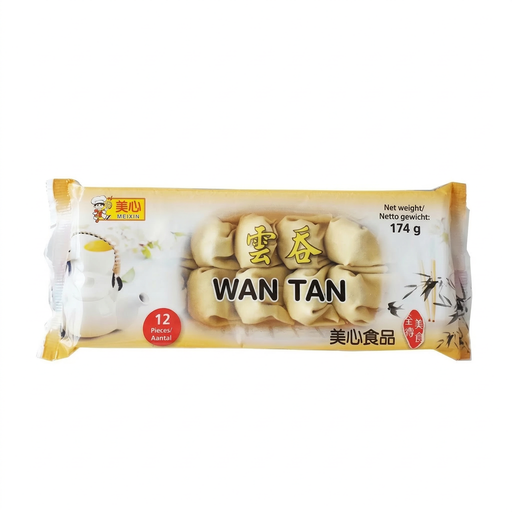
Why This Fits Their Persona: A compact pack for students, first-time buyers or anyone wanting a straightforward bowl of pork wontons without committing to a large bag.
The pack gives clear pork and wheat flour percentages, plus stated cooking instructions from frozen, making the contents and preparation easier to assess.
Includes pork, cabbage and shiitake mushrooms; cooks from frozen in approximately 3–5 minutes.
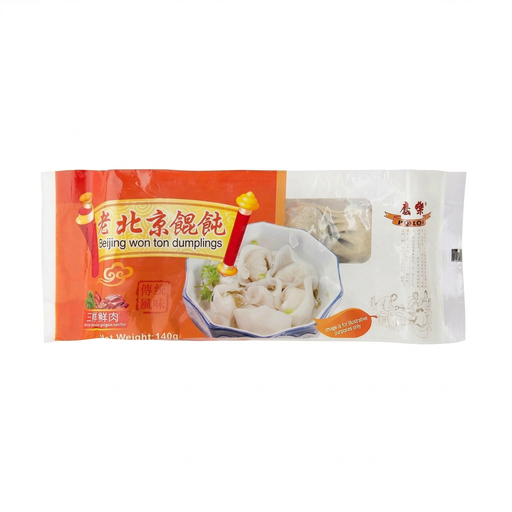
Why This Fits Their Persona: Suitable for home cooks who want a mixed pork and prawn filling for a clear soup, dipping sauce or quick supper.
The listing identifies the wrapper allergens and describes individual quick-freezing, helping with portion control and freezer organisation.
Contains pork, shrimp, shiitake mushroom and spring onion; listed for soup or dry-tossed serving.
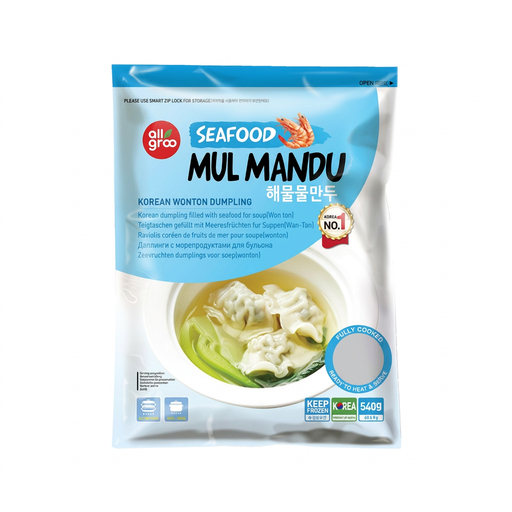
Why This Fits Their Persona: A larger pack for households that regularly prepare Korean-style soup, meal bowls or shared hot pot dishes.
It is specifically described as mandu for soup, with a stated 5–7 minute simmering method from frozen.
540g net content; filling includes shrimp, pollock, squid, tofu and cabbage.
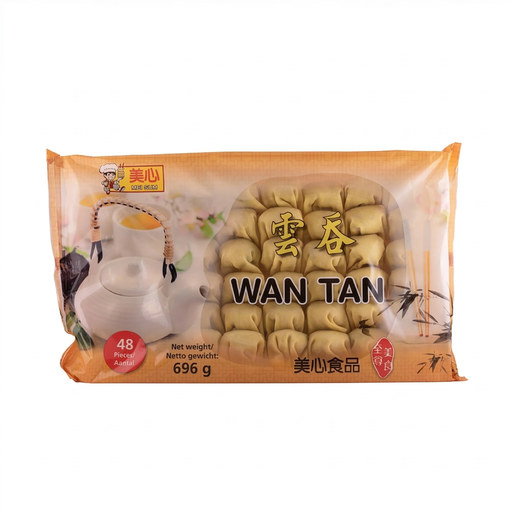
Why This Fits Their Persona: The larger pack is suited to families, regular hot pot meals and shoppers who want frozen Asian food available for several occasions.
The substantial net quantity makes the pack size clear, while the ingredient list identifies pork and shrimp rather than using seafood wording alone.
696g pack; listed for soups or stir-fries; contains pork, shrimp, egg and sesame allergens.
For ready-to-cook wontons, bring water or broth to a proper boil before adding the frozen pieces. Add them carefully, stir gently once to prevent sticking, then follow the time on the packaging. Many products are ready when they float, but the filling must also be fully cooked.
For soup, cook the wontons in water first if you want a clearer broth, then transfer them to hot stock. For hot pot, add them gradually so the temperature does not drop too sharply. Do not eat raw or undercooked wontons, and do not refreeze products after they have thawed unless the packaging specifically permits it.
We have compiled a complete, real-time list of products that fully satisfy these strict selection criteria and UK safety regulations.
Usually, yes. Several products in this guide specify cooking directly from frozen. This helps wrappers retain their shape and reduces handling. Always follow the instructions on the specific pack, as cooking times vary.
Many are, but check the recommended use. Allgroo Seafood Mul Mandu is specifically described as a soup wonton, while Xianmeilai Hot Pot Shrimp Wonton is listed for hot pot, noodle soup or boiling. Add them when the broth is hot and cook until thoroughly done.
Use the best-before date on the packaging and maintain storage at -18°C or below. After opening, seal the pack carefully, avoid repeated thawing and cook the wontons promptly according to the product instructions.