Couples who want to vary the menu
Plain portions leave the sauce, seasoning and sides up to you. They make sense if the two freezer packs need to cover different kinds of dinner.


For a flexible two-pack plan, choose plain fish portions for a dinner you can season yourself and a coated or flavoured two-fillet pack for a lower-preparation night. Check the number of portions, ingredients and cooking instructions on each pack: a prepared recipe gives you less control over flavour and may contain allergens beyond fish.
Plain portions leave the sauce, seasoning and sides up to you. They make sense if the two freezer packs need to cover different kinds of dinner.
A prepared two-fillet pack can take care of the coating or seasoning. Check that its ingredients suit both diners and that its cooking instructions work with your appliance.
Compare the individual packs for allergens, handling instructions and any sourcing label that matters to you. A brand name alone cannot tell you whether a particular recipe meets those needs.
Start with the number of portions and the role each pack will play, then check the recipe and preparation instructions before putting both in the freezer.
| Priority | What to check | Your needs |
|---|---|---|
| Portions for two | Check the stated number of fillets or portions, as well as the pack weight. A larger pack does not necessarily contain two pieces. | I want to know how much to cook for both diners without guessing from the total weight. |
| Menu flexibility | Compare plain portions with coated or flavoured fillets. Check whether the fish is skinless or described as boneless if either detail matters to your recipe. | For one dinner, I would like to choose my own sauce and sides; for another, I might prefer a prepared flavour. |
| Ingredients | Read the exact pack’s ingredient and allergen declarations. Coated recipes can differ from plain fish; check the fish content if you are comparing formats. | The prepared option needs to suit both diners, rather than just being the right species of fish. |
| Cooking and storage | Check whether the pack calls for cooking from frozen or thawing first, which appliances its directions cover, and what it says about storage and refreezing. | I need a preparation method that fits the time and equipment available on the night. |
| Wild-fish sourcing | Check the individual product for the blue MSC label if that certification matters to you. The Marine Stewardship Council says the label applies to wild-caught seafood from fisheries independently assessed against its requirements. | If I am choosing on that basis, I want the label on the fish I buy, not an assumption about the whole brand. |
Two prepared recipes may leave little room to change the sauce or seasoning on another evening.
If variety is the aim, give the packs different jobs: one plain fish option and one prepared option.
The coating changes the ingredients and the proportion of fish in the finished product. Allergen declarations depend on the recipe.
Read the ingredient panel for the exact pack before deciding whether it suits both diners.
Waitrose and Birds Eye both warn on relevant fish products that some bones may remain despite efforts to remove them.
Take care when serving and eating, particularly where avoiding bones matters to either diner.
These ranges illustrate the plain-versus-prepared choice; check the individual product rather than applying a range description to every pack.
Young's describes its Natural fillets as cook-from-frozen options, while its Gastro range includes prepared two-fillet formats.
Birds Eye's breaded haddock is an example of a prepared frozen-fish format.
Tesco's frozen-fish listing includes two skinless and boneless cod loins as well as prepared fish dishes.
Sainsbury's frozen-fish listing includes plain fish alongside prepared two-fillet products.
These options include plain fish for a menu you build yourself and prepared fish in larger piece-count packs. Check the portion count if your plan calls specifically for one prepared fillet per diner.
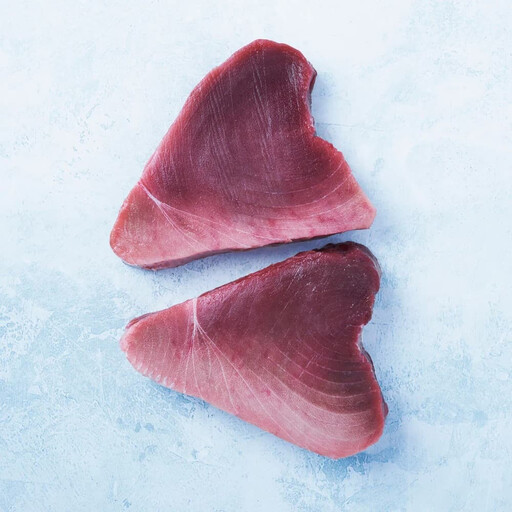 Image unavailable
Two steaks give you portions to prepare and serve with your own accompaniments. Allow for the thawing instructions and check the pack’s allergen information. Do not assume that the words “Sashimi Grade” establish that serving the fish raw is safe.
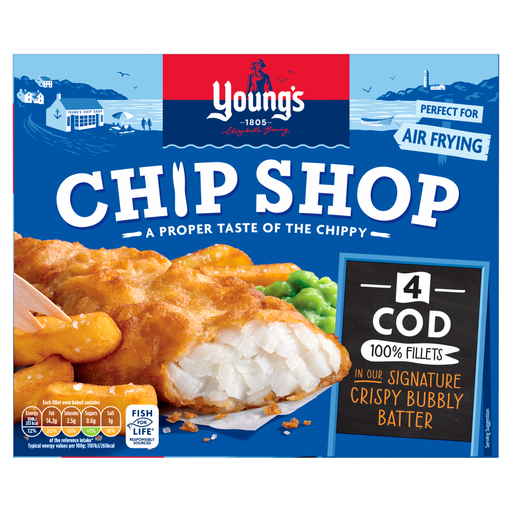 Image unavailable
A battered option when you want less preparation, though this is a four-fillet pack rather than a pack of two. Check the instructions for cooking from frozen and the ingredient declaration, including fish, wheat and mustard.
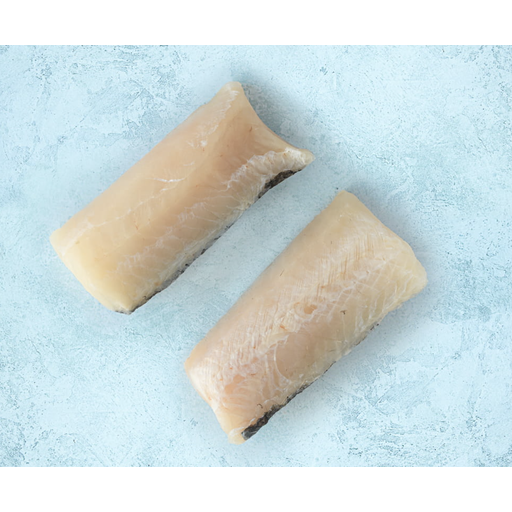 Image unavailable
These plain hake steaks leave the flavouring and sides to you. Confirm the number of pieces and the cooking directions on the pack; check the bone and allergen information if either matters to a diner.
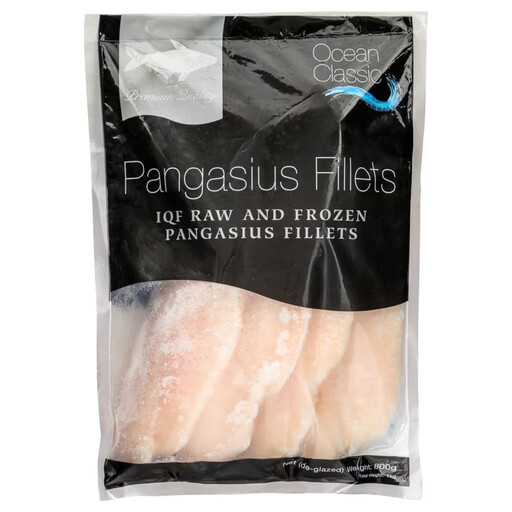 Image unavailable
Plain fillets give you room to choose the seasoning and accompaniments. Check how many fillets the pack contains before planning a dinner for two, and follow its refrigerator-thawing and no-refreezing directions.
 Image unavailable
The ten-piece fish-finger format lets you decide how many to cook, but it is not a two-fillet pack. Check the pack’s cooking settings and its fish and wheat allergen declaration; its product information also warns that some bones may remain.
Choose plain portions for meals you want to season yourself and a prepared two-fillet pack for a night with less preparation. Check that both packs suit the number of diners and that the prepared recipe’s ingredients work for you.
Yes, if the instructions for that specific product say to cook it from frozen. Birds Eye gives frozen-cooking directions for its breaded haddock, while other fish products may require thawing; follow the directions on the pack you have.
No. Waitrose and Birds Eye warn on relevant products that some bones may remain despite efforts to remove them, so take care when serving and eating.
Follow the instruction on the individual pack. The Birds Eye and Young's products described here say not to refreeze after defrosting or thawing; do not set that instruction aside because the fish was originally bought frozen.
For wild-caught seafood carrying it, the Marine Stewardship Council says the label means the fishery has been independently assessed against its environmental-sustainability requirements. Look for the label on the individual product rather than assuming it applies across a brand’s range.