Occasional buffet dessert hosts
If the cobbler is your main oven dish, start with one cavity that accommodates the baking dish and leaves room to handle it safely. A second independently controlled cavity may add little to the way you normally cook.


Choose a built-in single fan oven if the cobbler is your main oven dish, its baking dish fits the usable shelf space and other food can share one cooking temperature. A double oven is more useful when dessert and savoury dishes regularly need separate settings; a 90 cm range cooker makes sense chiefly for frequent large buffets where the kitchen can accommodate its size and services. Check dish fit and installation requirements before choosing by capacity or features alone.
If the cobbler is your main oven dish, start with one cavity that accommodates the baking dish and leaves room to handle it safely. A second independently controlled cavity may add little to the way you normally cook.
If dessert must bake while other dishes roast, reheat or grill at different settings, separate cavities are worth considering. Which? notes that a double oven allows multiple dishes to be cooked at the same time.
If you regularly prepare several dishes and want ovens, a grill and hob zones in one appliance, a range cooker may suit your plans. Confirm the available floor space and electrical and, for dual-fuel models, gas provision first.
Choose when: The cobbler is the main bake and other dishes can use the same cavity at a compatible setting.
Trade-off: One cavity cannot give dessert and savoury food independently controlled temperatures.
Choose when: Buffet dishes regularly need separate cooking spaces or settings.
Trade-off: Check the taller housing space and the usable size of each cavity; two cavities do not guarantee that either fits your dish.
Choose when: You frequently host large buffets and want multiple cooking spaces alongside a hob.
Trade-off: This freestanding format needs substantially more floor width than a built-in oven; check its electrical and fuel requirements.
| Concern | What to check | Who this matters to |
|---|---|---|
| Cobbler dish fit | Measure the dish, including handles, and compare it with the usable shelf width, depth and rack positions of the exact oven. | I need to lift a deep cobbler dish in and out without relying on the oven's litre rating as proof it fits. Around 36% of consumers put dish fit first. |
| Other dishes at the same time | Decide whether dishes need different settings; if so, compare both cavities in a double oven rather than counting shelves alone. | When dessert and savoury dishes need different temperatures, I need separate cooking spaces. For around 29% of consumers, that independence is the primary concern. |
| Baking modes and cleaning | Compare the exact model's fan or multilevel modes and cleaning instructions against how often you bake. | I often bake across several shelves and want a manageable way to clean up bubbling fruit. Around 21% of consumers chiefly prioritise cooking modes and cleaning. |
| Kitchen and service fit | Check the installation drawing, electrical rating and connection type; for a dual-fuel range, check gas provision too. | Before changing ovens, I need to know the appliance fits my kitchen and can be connected appropriately. Installation and services come first for around 14% of consumers. |
Capacity does not tell you the usable shelf width, depth or whether a dish with handles can be removed comfortably.
Measure your cobbler dish and check the exact model's cavity and shelf dimensions before ordering.
Several shelves can be useful when dishes share a setting, but they cannot provide independently controlled temperatures.
If dessert and other buffet dishes need different settings at the same time, compare double-oven cavities; otherwise, consider whether a single fan oven meets your needs.
Cabinet dimensions, electrical load and connection type vary by model. For example, AEG specifies a 3,250 W total electrical load for the GA5PB501AB, while Neff specifies electrician connection for the U2ACH7AG7B.
Check the installation drawing and appliance instructions against your kitchen, and seek qualified advice about fixed wiring.
Cabinet alterations, disconnection and appliance removal may also need arranging as part of a replacement.
A range cooker needs floor space and, in a dual-fuel version, both electrical and gas arrangements; it does not occupy a standard built-in oven housing.
Confirm the appliance width and services. Gas Safe Register advises using a Gas Safe registered business for a new gas appliance installation.
Built-in single-oven models worth comparing when fan cooking, cavity size or cleaning functions matter to your buffet plans.
Built-in single- and double-oven options for comparing shared-setting, multilevel cooking with separate-cavity cooking.
A built-in oven brand to include when comparing appliances for an existing kitchen housing.
A range-cooker option for frequent hosts considering ovens, a separate grill and hob zones in one freestanding appliance.
These choices cover built-in double ovens for cooking buffet dishes separately, a dual-fuel range cooker for larger hosting plans and a built-in single oven for a cobbler-led menu. Check the exact appliance and your kitchen before settling on a format.
 No image available
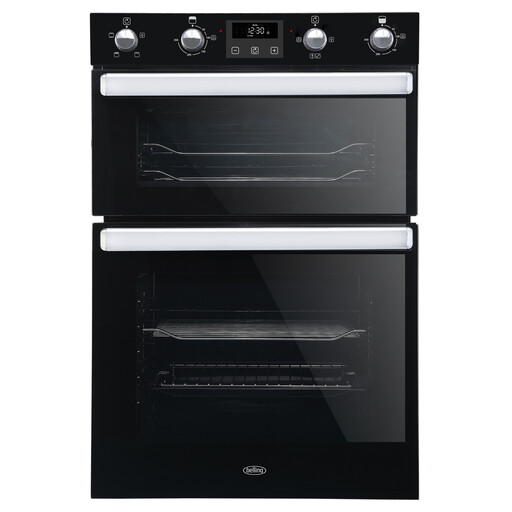
Consider this double-oven format if the cobbler and other buffet food need separate cooking spaces.
Check which cavity fits your dish, along with the required housing and electrical connection, before ordering.
 No image available
A double oven is relevant when dessert and other buffet dishes need separate settings.
Compare the usable space in each cavity with your dishes, and check the housing and electrical requirements for this model.
 No image available
Choose a double-cavity format when the cobbler must cook alongside food needing another setting.
Check the usable shelf space for your baking dish and consult the installation instructions for the required housing and connection.
 No image available
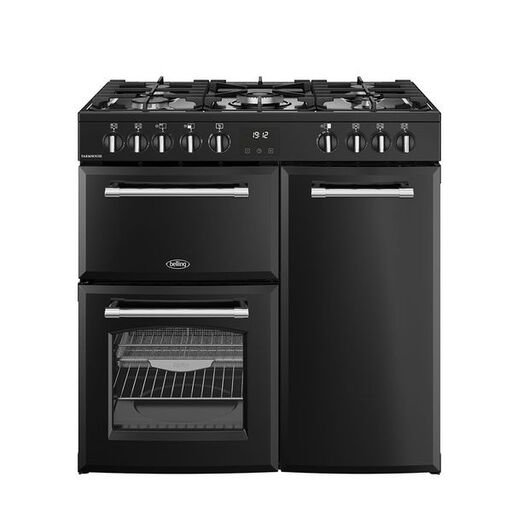
Consider a range cooker if you frequently prepare several buffet dishes and want a freestanding oven-and-hob arrangement.
Confirm the 90 cm space, cobbler-dish fit and electrical and gas provision. Gas Safe Register advises using a Gas Safe registered business for gas appliance installation.
 No image available
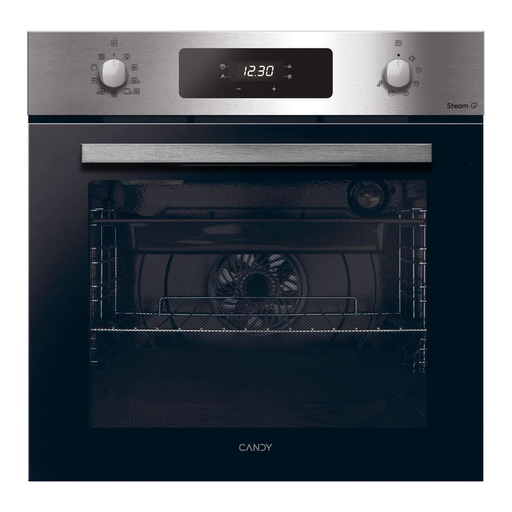
This single-oven format suits a cobbler-led buffet if other dishes can share its cooking space and setting.
The title identifies pyrolytic cleaning; follow the model's instructions for its use. Check the usable shelf space and installation requirements before ordering.
Yes, if the cobbler dish fits and other food can use the same cavity at a compatible setting or be cooked at another time. If dessert and savoury dishes regularly need different settings simultaneously, compare double ovens instead.
It can help when the dishes can share a cooking setting, but a fan does not create independently controlled temperature zones. Check the recipe and the exact oven's cooking modes before planning a shared bake.
Check the exact model's installation instructions and connection requirements before arranging fitting. Neff specifies electrician connection for its U2ACH7AG7B and B2ACH7AG7B models; do not assume an existing socket suits a different oven. Approved Document P addresses electrical safety in dwellings in England, not an identical rule for every UK nation.
Arrange appropriately qualified installation for the gas appliance work. Gas Safe Register advises using a Gas Safe registered business for a new gas appliance installation; also check the range cooker's electrical instructions and your kitchen's available services.
Check the energy label and product information sheet for the exact oven where the product falls within UK energy-information rules. UK government guidance requires those materials for products in scope; one model's label should not be treated as the rating of a whole brand or oven format.