
24/7 Customer Support

Free returns

Same-day & Next-day Delivery

Quality Guaranteed

Unlock Your Welcome Offers: FREE Delivery | Up to 80% OFF | Free 30-day JoyPlus trial
Download the APP
Fruit drinks can make lunch boxes, family gatherings and busy commutes more convenient, but attractive packaging does not always tell you what is inside the bottle or can. The practical choice depends on fruit content, sugar levels, pack format, carbonation and storage requirements.
Whether you are comparing fruit juice drinks, tropical juice, sparkling fruit drinks or Asian fruit drinks, a few common traps can lead to poor value.
A drink labelled peach, orange or grape may contain only a small percentage of juice or concentrate. Flavourings, sweeteners and added sugar can create a strong fruity taste without making the product a high-juice beverage.
Check the ingredients list and look for a quantitative juice declaration, such as “peach juice from concentrate 5%” or “fruit juices from concentrate 10%”. This gives a clearer indication of what you are buying than the front-of-pack fruit image.
Some low-calorie soft drinks use sweeteners, while others contain naturally occurring or added sugars. Compare the nutrition panel per 100ml, rather than relying on serving suggestions. A 1-litre carton can contain several servings, so the total amount consumed may be considerably higher than the displayed per-100ml figure.
Also check for sweetener warnings, including aspartame, acesulfame K or sucralose, if these are relevant to your preferences or dietary requirements.
Fruit pulp, nata de coco and other pieces can settle at the bottom. Some drinks need gentle shaking before opening, while carbonated products should not be shaken vigorously. A drink designed for immediate consumption may also have a shorter practical lifespan once opened.
For office drawers, school bags and picnics, consider whether the format is resealable, single-serve or suitable for refrigeration. For social occasions, cans and multipack drinks are usually easier to distribute.
Ingredients are listed by weight, so water, sugar or syrup appearing before fruit ingredients indicates that the drink is not primarily juice. Products such as NFC juice use a different format from fruit juice drinks: they may contain a much higher fruit proportion, but can still contain naturally occurring sugars.
For example, J.ZAO 100% NFC Blueberry Juice lists blueberries as its ingredient and provides 44 kcal and 9g of sugars per 100g. By contrast, J2O Orange & Passion Fruit Blend lists fruit juices from concentrate alongside sugar and sweetener, with 19 kcal and 4g of sugars per 100ml.
Use the nutrition panel to compare energy, carbohydrate, sugars and salt. A 330ml can at 13 kcal per 100ml provides roughly 43 kcal for the full can, while a 1-litre carton at 18 kcal per 100ml provides approximately 180 kcal if consumed in full.
Pack size also affects value and waste. Single bottles suit commuting and lunch boxes, while 4- or 6-can multipacks are more practical for sharing. Larger cartons and 8- or 12-piece packs can reduce the need for frequent reordering, but require suitable storage.
Always read the current UK label before consumption, particularly if you need to avoid sulphites, milk, soy, nuts or other allergens. Haitai Grape Bongbong, for example, states that traces of several allergens may be present and carries a sweetener warning. Mogu Mogu Peach Drink contains sulphur dioxide and sulphites.
Follow the storage instructions carefully. Many ready-to-drink beverages should be refrigerated after opening and consumed within 24 hours to four days, depending on the product. Functional drinks containing live cultures may also carry age-related guidance; Living Things products state that they are not suitable for children under three.
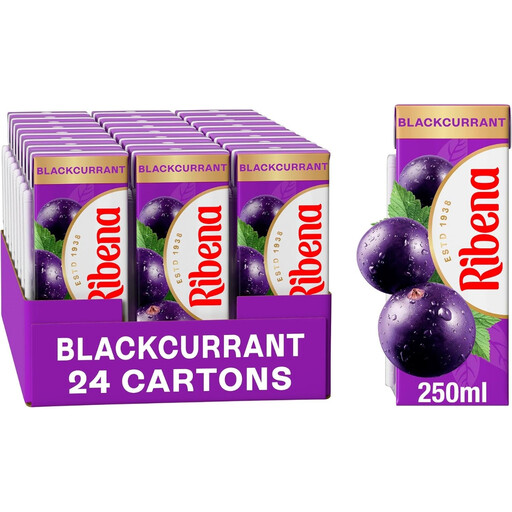
Why This Fits Their Persona: The 24 x 250ml format provides individual portions for lunch boxes, family cupboards and everyday use without opening a large bottle.
The listed nutrition provides 20 kcal and 4.7g of sugars per 100ml, making comparison easier than relying on front-of-pack wording.
250ml portion size; no artificial colours stated; suitable for vegetarians and vegans according to the supplied product information.
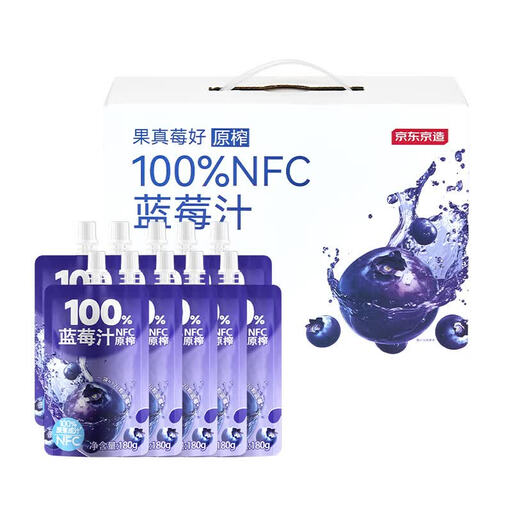
Why This Fits Their Persona: This pouch multipack suits shoppers prioritising a short ingredient list and portable servings for commuting, desk use or travel.
The product information lists blueberries as the sole ingredient, avoiding ambiguity about added flavourings, syrups or sweeteners.
100% NFC juice; 180g resealable-style pouch format; 10 pouches per pack.
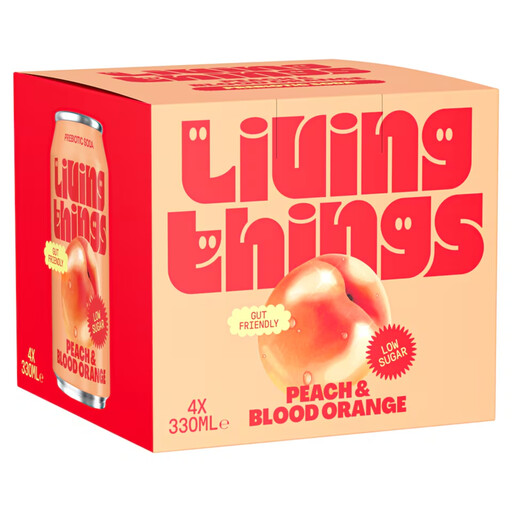
Why This Fits Their Persona: A four-can pack works for social occasions, meal pairing or shoppers seeking a sparkling alternative to conventional soft drinks.
Its nutrition panel states 13 kcal, 1.5g sugars and 2g fibre per 100ml, allowing a direct comparison with sweeter sparkling fruit drinks.
Light carbonation; 330ml cans; contains chicory root inulin, fibre and live cultures according to the supplied label.
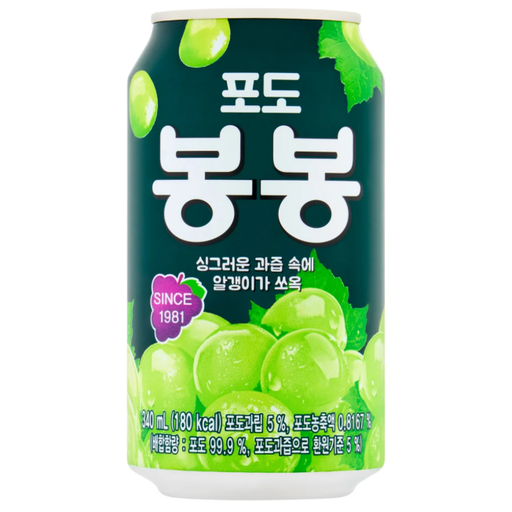
Why This Fits Their Persona: This Korean fruit drink offers a non-carbonated format with grape pulp, making it suitable for shoppers seeking texture as well as flavour.
The label identifies grape pulp at 5%, while the instructions explain that gentle shaking distributes the pieces before drinking.
340ml single bottle; non-carbonated; contains real grape pulp and is designed to be served chilled.
We have compiled a complete, real-time list of products that fully satisfy these strict selection criteria and UK safety regulations.
Single-serve bottles or cartons can be convenient for lunch boxes, but check the pack size, cap security, allergen information and storage instructions. Products containing pulp may need gentle shaking, while opened drinks often require refrigeration and prompt consumption.
Unopened products commonly store in a cool, dry place, but requirements differ. After opening, many should be refrigerated and consumed within 24 hours to four days. Always follow the packaging, particularly for drinks containing fruit pieces or live cultures.
The answer depends on pack size, volume and waste. Multipack drinks can offer convenience for families and gatherings, while a larger carton may provide a lower cost per 100ml. Compare the price per litre, not just the shelf price, and choose a format that can be consumed within its recommended opening period.