
24/7 Customer Support

Free returns

Same-day & Next-day Delivery

Quality Guaranteed

Unlock Your Welcome Offers: FREE Delivery | Up to 80% OFF | Free 30-day JoyPlus trial
Download the APP
Fruit drinks can look similar on the shelf, yet differ substantially in fruit content, sugar, sweeteners, pack size and storage requirements. A colourful label may suggest a tropical fruit juice, while the ingredient list reveals a juice drink with added sugar, flavourings or only a small percentage of fruit.
The practical approach is to compare the label rather than relying on front-of-pack wording. This guide explains the main buying pitfalls and highlights suitable options for family fridges, parties, meals and on-the-go refreshment.
Terms such as mango, peach, orange or pineapple on the front do not necessarily indicate a high percentage of juice or purée. For example, a mixed fruit punch may contain several fruit ingredients, but each one can represent a relatively small proportion of the recipe.
Check the ingredients list and quantitative ingredient declaration where available. Products such as FOCO Passion Fruit Juice list 25% passion fruit juice, while Maaza Mango No Added Sugar Drink lists 17% mango purée. These figures provide more useful context than flavour descriptions alone.
Some low-calorie fruit drinks use sweeteners rather than added sugar. Huayang sparkling fruit drinks provide 16 kcal per 100ml, but their ingredient lists include sweeteners such as sucralose and acesulfame K. This may suit shoppers reducing energy intake, but not those specifically looking for a drink without sweeteners.
“No added sugar” also needs careful interpretation. Maaza Mango contains no added sugar according to its product description, but it includes sweeteners and naturally occurring sugars from mango purée. Read the full nutrition panel before choosing.
A 20- or 24-bottle case can be practical for parties, family gatherings and regular entertaining, but it requires more storage space and may not suit occasional drinkers. Single cartons and smaller can multipacks are easier for trying new flavours or keeping in a shared fridge.
Also check whether the packaging is glass, cans, bottles or cartons. Glass bottles can suit meals and celebrations, while cans and smaller plastic bottles are generally more convenient for packed lunches or travel.
Identify whether the product is:
A drink such as LIGHT UP 100% Apple Juice contains apple juice concentrate and red-fleshed apple juice, while Tropical Vibes Guava Banana contains 15% guava pulp and 10% banana purée. These are distinctly different formats from a carbonated orange soda or peach sparkling drink.
Compare nutrition per 100ml, not only per bottle or carton. The reference products range from:
Check both carbohydrate and of which sugars, as well as sweeteners in the ingredients list. A low-energy product may still taste sweet because of permitted sweeteners.
Packaging should be checked for the current ingredient, allergen, nutrition and warning information. Several drinks in this selection contain colours such as E129, E102 or E110, with product labels carrying the required warning that these colours may have an adverse effect on activity and attention in children.
If buying for children, check the label directly and consider serving size. For vegetarian or vegan shoppers, look for a clear suitability statement where available rather than assuming every fruit drink is suitable. Also note whether a product contains preservatives, artificial or natural flavourings and added sweeteners.
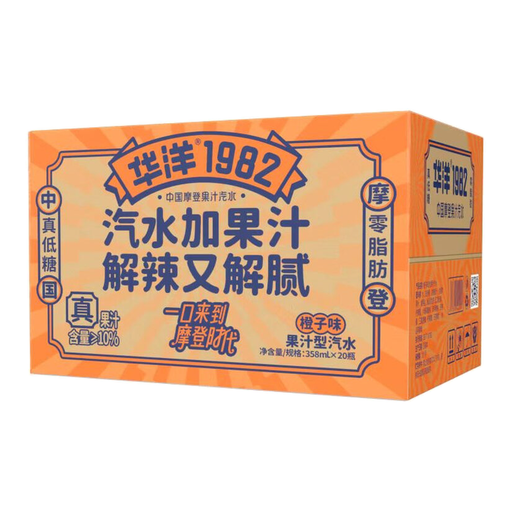
Why This Fits Their Persona: A 20-bottle case provides a convenient supply for shared fridges, casual meals and small gatherings, with a familiar orange soda profile.
The listing states 16 kcal and 3.3g sugars per 100ml, so shoppers can compare it with higher-sugar orange soda rather than relying on the flavour name.
20 x 358ml glass bottles; 16 kcal per 100ml; ready to drink chilled.
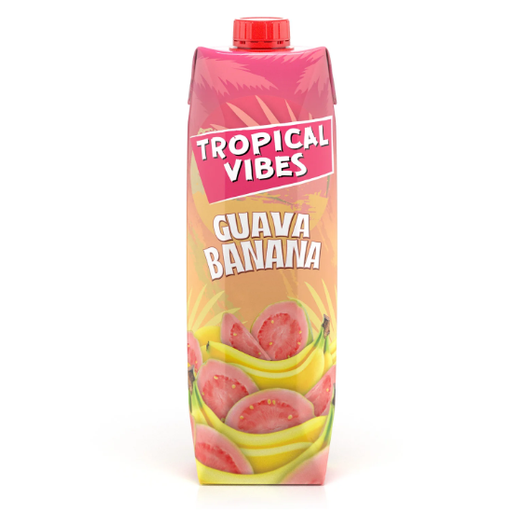
Why This Fits Their Persona: The guava and banana combination offers a fuller, pulp-based tropical fruit drink for breakfast, brunch or family sharing.
The stated guava pulp and banana purée percentages make the fruit composition clearer than a generic tropical flavour claim.
15% guava pulp and 10% banana purée; 1L carton; 59 kcal per 100ml.

Why This Fits Their Persona: The 24-bottle case is suited to parties, barbecues, festive meals and regular serving alongside spicy food.
The listing specifies 31 kcal per 100ml and names peach, apple and pear juice ingredients, helping buyers assess both energy and fruit composition.
24 x 300ml bottles; 8.7% peach juice; no artificial colours, flavours or preservatives listed.
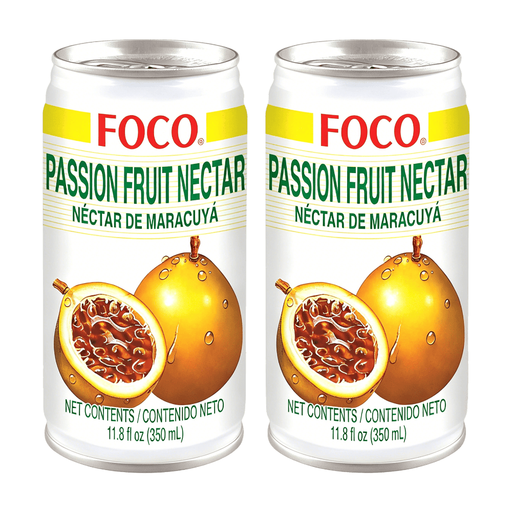
Why This Fits Their Persona: Two 350ml cans are easy to chill, carry and serve with lunch, takeaway meals or a short journey.
The product states 25% passion fruit juice and identifies that it contains no artificial colours or flavours, making the specification easier to compare.
350ml cans; 44 kcal per 100ml; suitable for vegetarians according to the listing.
We have compiled a complete, real-time list of products that fully satisfy these strict selection criteria and UK safety regulations.
Not automatically. Some sparkling fruit drinks contain 16–31 kcal per 100ml, while others may contain considerably more sugar. Compare the nutrition panel and check whether the drink uses sugar, fruit juice or sweeteners.
Follow the product label. Tropical Vibes cartons state that they should be refrigerated after opening and consumed within three days. Canned drinks are generally intended for immediate consumption once opened. Keep unopened products in a cool, dry place unless the packaging specifies otherwise.
Multipacks such as 20 x 358ml glass bottles or 24 x 300ml bottles can provide convenient individual servings for gatherings. For a smaller occasion, a 1L tropical fruit juice carton may be easier to store and pour. Always check case quantity, refrigeration space and the preferences of your guests before ordering.