
24/7 Customer Support

Free returns

Same-day & Next-day Delivery

Quality Guaranteed

Unlock Your Welcome Offers: FREE Delivery | Up to 80% OFF | Free 30-day JoyPlus trial
Download the APP
Choosing between fruit drinks and flavoured water can seem straightforward until you compare sugar levels, serving sizes, sweeteners, carbonation and pack formats. A brightly designed bottle may suggest hydration or natural fruit content, yet the ingredients and nutrition panel often tell a more useful story.
Whether you are stocking a family fridge, ordering drinks for the office, preparing for university or looking for convenient refreshments after exercise, a few checks can prevent disappointing purchases.
A fruit-flavoured drink may contain natural flavourings or extracts without containing much juice. Fruit juice drinks can vary considerably: some include juice from concentrate, while others mainly contain water, sugar, acids and flavourings.
Check the ingredient list and look for named juice or purée, such as orange juice, passion fruit, mango or guava. Ingredients are listed by weight, so those appearing near the beginning generally make up more of the product.
Sugar-free flavoured water may use sweeteners such as sucralose or erythritol. This can help keep energy and sugar values low, but it does not mean the drink contains no sweetening ingredients.
If you prefer a simpler recipe, compare the full label rather than relying on front-of-pack wording. Dash sparkling water, for example, lists carbonated spring water, natural flavourings, fruit extract and citric acid, with no sugar or sweeteners in the supplied product information.
A 15-bottle carton can offer practical stock for a family or workplace, but it requires enough storage space and may include more drinks than a single household needs. Large 1.25-litre bottles may be economical for meals, although they need refrigeration after opening and should be consumed within the period stated on the label.
For occasional use, 190ml to 330ml cans or bottles can reduce waste. For regular lunches, sports bags or school use, individually sized ready-to-drink beverages may be more convenient.
Use the per 100ml nutrition panel to compare products consistently, then calculate the amount in the full bottle or can. A drink containing 4g of sugar per 100ml provides around 20g in a 500ml bottle. This matters when comparing low-calorie drinks with traditional fruit drinks.
Examples from the supplied product details include:
These figures describe the products as listed and should always be checked against the current packaging.
Still flavoured water is generally easier to drink with packed lunches, at desks and during travel. It can also be a practical choice for children and adults who do not enjoy carbonation.
Sparkling water adds fizz without necessarily adding sugar. Check whether the product contains sweeteners, juice or calories. Carbonation may suit meals and social occasions, but cans and bottles can be less convenient to reseal once opened.
Vitamin drinks and electrolyte drinks can suit shoppers specifically looking for added vitamin C, B6, E or electrolytes such as potassium and salt. However, these features do not automatically make a drink suitable for every situation. Compare the nutrition panel, serving size and intended use rather than paying for a claim you may not need.
Also check allergens. Genki Forest Red Bean with Barley Water contains barley, while some flavoured waters may list sulphites or sweeteners. Imported Asian soft drinks can have translated labels or UK stickers, so read the current packaging before consumption.
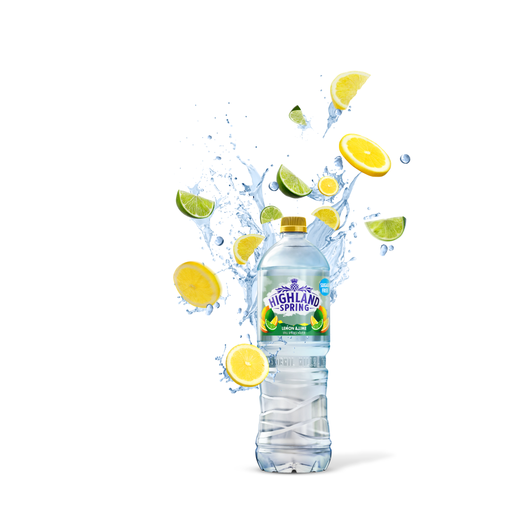
Why This Fits Their Persona: A 1.25-litre bottle is suitable for shared meals, home use and shoppers wanting a familiar still format without buying individual bottles.
The supplied nutrition information lists 1 kcal and 0g sugar per 100ml, helping shoppers distinguish it from sweetened fruit juice drinks.
Still spring water format; lemon and lime flavour; refrigerate after opening and use within 3 days.
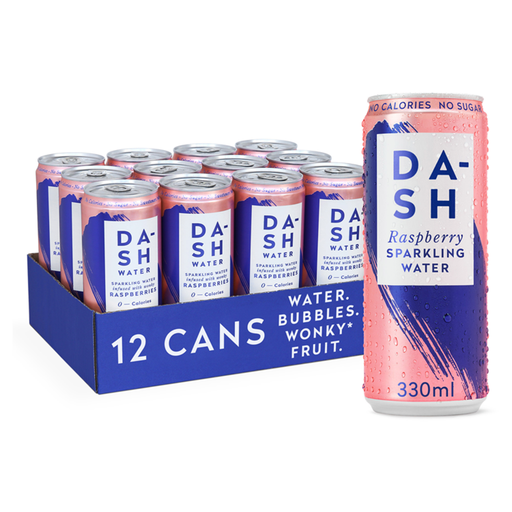
Why This Fits Their Persona: The 330ml cans suit entertaining, lunch breaks and chilled serving when a sparkling drink is preferred.
The supplied label information identifies no sugar, sweeteners or calories, rather than relying only on a front-of-pack “healthy” message.
Sparkling spring water; raspberry extract; 12-can multipack; serve ice cold.

Why This Fits Their Persona: Fifteen 600ml bottles provide a convenient supply for students, active adults, workplaces or planned outdoor activities.
The product description specifies potassium chloride, salt, vitamin B6 and vitamin E, while also identifying erythritol and sucralose as sweeteners.
600ml ready-to-drink format; white peach flavour; electrolyte and vitamin ingredients clearly listed.
We have compiled a complete, real-time list of products that fully satisfy these strict selection criteria and UK safety regulations.
They can be selected as an alternative to sugary soft drinks, depending on personal preferences and dietary needs. Check the sweetener and allergen information, and remember that plain water remains another simple option.
The main cost difference comes from pack price, bottle size, delivery and how quickly the drink is consumed. Multipacks can reduce the cost per serving, while still water in larger bottles may suit shared household use.
Follow the product label. Several supplied products advise refrigeration after opening and consumption within 24 hours or three days. Avoid consuming any product if the packaging is damaged, swollen or the drink has an unusual smell, taste or appearance.