
24/7 Customer Support

Free returns

Same-day & Next-day Delivery

Quality Guaranteed

Unlock Your Welcome Offers: FREE Delivery | Up to 80% OFF | Free 30-day JoyPlus trial
Download the APP
Choosing between fruit drinks and flavoured water can seem straightforward until you compare sugar levels, serving sizes, sweeteners, packaging and flavour concentration. A drink marketed as “fruity” may contain very little fruit, while a large carton can look economical but provide several servings with substantial sugar.
This guide helps UK shoppers compare sparkling water, sugar-free drinks, flavoured still water, tropical fruit drinks and multipack soft drinks using the information that matters on the label.
“No added sugar” means that manufacturers have not added sugar during production. It does not necessarily mean the drink contains no sugars, particularly where fruit juice or purée is used. Check the nutrition panel for “of which sugars” per 100ml and per serving.
By contrast, a drink described as sugar-free generally needs to meet the applicable UK threshold of no more than 0.5g of sugars per 100ml. A sugar-free drink may still contain sweeteners, so check the ingredients list if you prefer to avoid them.
A 1-litre carton may cost less per millilitre than individual cans, but it may be intended for sharing and usually needs refrigerating after opening. Single-serve cans and bottles cost more per serving but can reduce waste when you need a drink for work, travel or a picnic.
For households, compare both price per litre and the number of practical servings. A multipack soft drinks option may suit parties or regular fridge storage, while a smaller pack can be more suitable for occasional use.
Flavour descriptions such as mango drink, guava drink, lychee drink or peach drink do not indicate how much fruit is present. Look for ingredients such as fruit juice from concentrate, fruit purée or fruit extract, then check the percentage. For example, Tropical Vibes Mucho Mango lists 10% mango purée, while Maaza Guava lists 17% guava purée.
Also check whether the product contains added sugar, sweeteners, nata de coco pieces or milk ingredients. These details affect taste, texture and suitability for different diets.
Nutrition information is normally provided per 100ml, allowing fair comparisons between different pack sizes. As a practical reference:
These are different drink styles rather than direct substitutes. A fruit juice drink or tropical fruit drink may deliver a fuller, thicker flavour, whereas flavoured water or sparkling water is generally lighter.
Carbonated drinks are suitable for shoppers who want fizz without choosing a traditional full-sugar fizzy drink. Check whether the product is:
Cans are convenient and portion-controlled, but once opened they should generally be consumed promptly. Cartons and large bottles need suitable storage after opening; always follow the packaging instructions.
Read the full ingredients list, especially when buying exotic Asian drinks or products for children and guests. Milkis Melon contains milk and soya, while Mogu Mogu Peach lists sulphur dioxide and sulphites. Sangaria Lemon C Drink contains the colour E104 and includes a specific warning on its product information regarding activity and attention in children.
Storage also varies. Some cartons can be stored at ambient temperature unopened, while opened drinks may need refrigeration and consumption within 24 hours to five days, depending on the product. Always check the current label, best-before date and packaging condition before drinking.
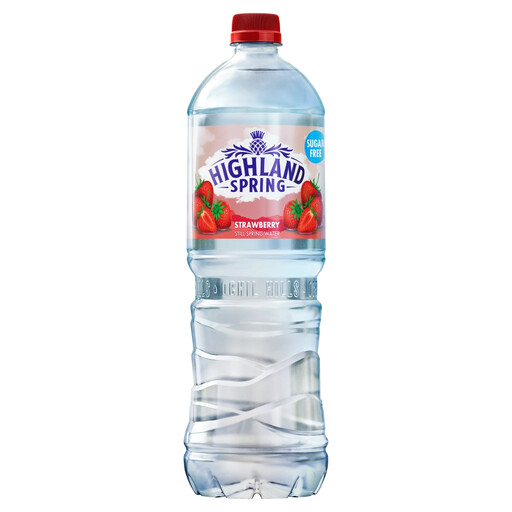
Why This Fits Their Persona: A large 1.25-litre bottle suits everyday fridge storage, family meals and shoppers looking for a sugar-free still option without buying a full multipack.
The label states 0g sugar and 1kcal per 100ml, while the ingredients clearly identify sucralose, avoiding confusion between sugar-free and unsweetened.
Still spring water format; 1.25L size; strawberry flavour; refrigerate after opening and use within three days.
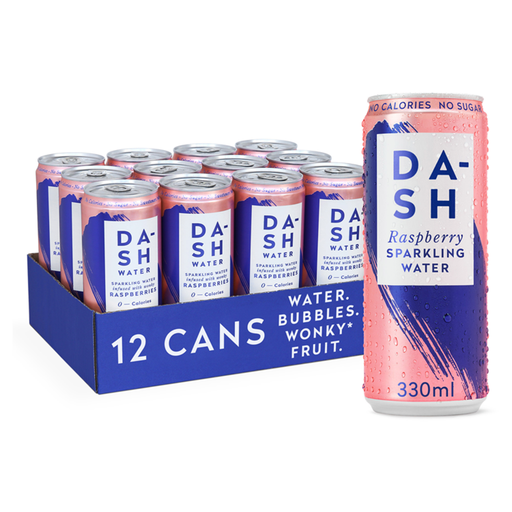
Why This Fits Their Persona: A can multipack offers a polished option for entertaining, lunch breaks or keeping chilled drinks ready for visitors.
The product information specifies no sugar, sweeteners or calories, rather than relying only on broad “healthy alternative” wording.
330ml cans; sparkling spring water; raspberry extract and natural flavourings; listed at 1kcal per 100ml.

Why This Fits Their Persona: The 24-can case is designed for frequent use, office fridges, family barbecues, parties and shoppers who want to reduce repeat orders.
The pack size and per-can figures are clearly stated: 0g sugar and 10kcal per 330ml can, with sweeteners identified in the ingredients.
24 x 330ml format; apple juice from concentrate at 4%; suitable for vegetarians and vegans according to the supplied product information.
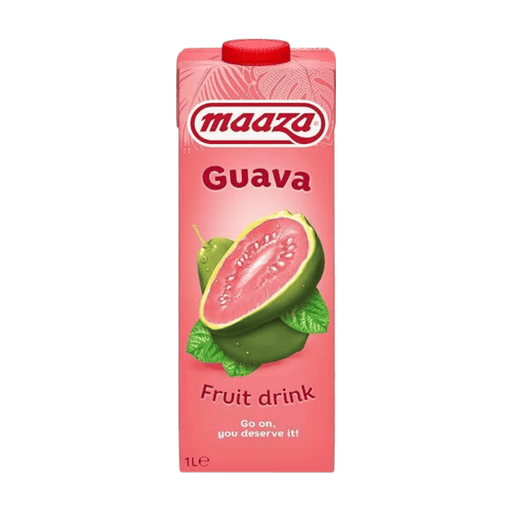
Why This Fits Their Persona: A 1-litre carton suits shoppers seeking a fuller tropical fruit drink for chilling, sharing or serving with meals.
The stated 17% guava purée content gives a clearer indication of fruit composition than flavour-led packaging alone.
Guava purée and lemon juice; 1-litre carton; listed at 45kcal per 100ml; shake well and refrigerate after opening.
For a lower-sugar fizzy drink with fruit juice and fibre, Poppi Strawberry & Lemon lists 1.3g sugars and 8kcal per 100ml. J2O Apple & Raspberry and J2O Orange & Passion Fruit are 4 x 250ml cans suited to meals and social occasions, while Mogu Mogu Peach adds nata de coco pieces for a chewy texture.
Shoppers seeking exotic Asian drinks can also compare Yeo’s Lychee Drink, Lotte Milkis Melon and Sangaria Lemon C Drink. These products differ significantly in sugar, carbonation, allergens and serving size, so the front label should not be the only deciding factor.
We have compiled a complete, real-time list of products that fully satisfy these strict selection criteria and UK safety regulations.
They can contain less sugar and energy, but this depends on the product. Compare the nutrition panel rather than relying on terms such as “light” or “natural”. Some flavoured waters contain sweeteners, while sparkling water may contain no sugar or sweeteners.
Storage periods vary. Many products require refrigeration after opening and should be consumed within 24 hours to five days. Follow the specific packaging instructions and discard drinks with damaged packaging, unusual odour or an altered appearance.
They often reduce the price per can, but not always after delivery costs or promotions are considered. Compare the total pack price, volume per can and storage space required. A multipack is practical for regular consumption, parties and office use; smaller packs may suit occasional drinking and reduce unopened stock.