
24/7 Customer Support

Free returns

Same-day & Next-day Delivery

Quality Guaranteed

Unlock Your Welcome Offers: FREE Delivery | Up to 80% OFF | Free 30-day JoyPlus trial
Download the APP
Buying fruit drinks and juice multipacks can seem straightforward until you compare serving sizes, sugar levels, fruit content and storage instructions. A colourful label may suggest natural refreshment, while the actual drink contains sweeteners, concentrated juice or more sugar than expected.
For UK households, students, office workers and anyone stocking up for gatherings, the practical choice depends on how the drink will be used. This guide explains the main buying traps, the details worth checking and a selection of options for different lifestyles.
A no added sugar juice drink may still contain naturally occurring sugars from fruit juice. Some products also use sweeteners to maintain a sweet taste. Check both the ingredients list and the nutrition panel rather than relying on the front-of-pack wording.
For example, a diluted serving of Robinsons No Added Sugar Squash Summer Fruits is listed at 2 calories per 100ml, but it contains sweeteners and sulphites. Ribena concentrated blackcurrant options also use sweeteners and require dilution. These details matter if you are buying for children, managing household preferences or checking allergens.
Fruit content varies considerably. A tropical juice drink may contain several fruit juices from concentrate but still have water, sugar, syrups, acids and sweeteners as its main ingredients. A product such as ChuYin Peach Fruit Drink contains peach juice from concentrate at at least 5%, alongside peach pulp and added sugar.
By contrast, Appletiser is made from 100% carbonated apple juice from concentrate. Reading the quantitative ingredient declaration, or QUID, helps you understand what you are actually purchasing.
A large bottle may offer a lower cost per litre, but it needs refrigeration after opening and should be consumed within the stated timeframe. Individual cans, pouches and bottles are easier for lunchboxes, office fridges and parties, although they create more packaging per litre.
Concentrates also require accurate dilution. Drinking squash undiluted is not an appropriate substitute for a ready-to-drink beverage, and extra water may be recommended when serving some products to toddlers.
Compare nutrition information per 100ml and, where shown, per serving. A 250ml glass or 500ml bottle can contain substantially more than the per-100ml figure suggests.
Useful distinctions include:
If a product contains aspartame, check the label for the required phenylalanine warning. Sulphites must also be considered by people with relevant sensitivities.
Ingredients are listed in descending order by weight. Look for the percentage of fruit juice, pulp or coconut water. Vita Coco Natural Coconut Water lists 99% coconut water, while Kara Coconut Water lists 100% coconut water. These are different from fruit-flavoured drinks containing only a small amount of juice.
For an unusual texture, check whether the product contains pulp or gel. OKF Aloe Vera King Original Drink contains 22% organic aloe vera juice and 8% aloe vera gel, creating a lightly textured drink. Haitai Grape Bongbong includes 5% grape pulp, which should be distributed by gently shaking before drinking.
Match the container to the way you will use it:
Always check the best-before date, packaging condition and post-opening instructions. Damaged cans, leaking bottles or swollen cartons should not be consumed.
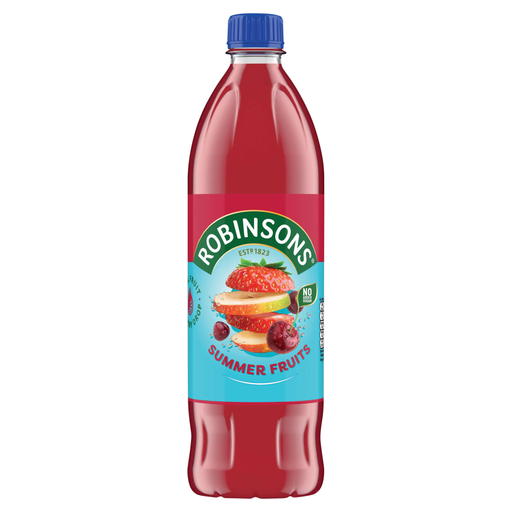
Why This Fits Their Persona: A concentrated format lets flat-sharers and families prepare drinks as needed, reducing the need to store multiple ready-to-drink bottles.
The label identifies the drink as no added sugar and gives a diluted serving value of 2 calories per 100ml. It also clearly lists sweeteners and sulphites for checking before purchase.
Summer-fruit flavour, concentrated 1L format and vegan and vegetarian-friendly positioning.
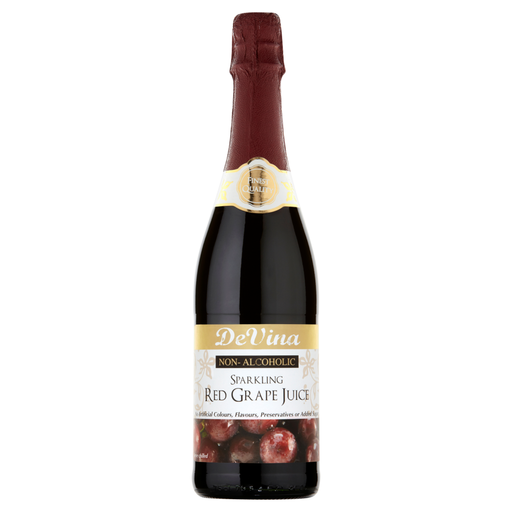
Why This Fits Their Persona: The bottle format and sparkling red grape profile suit dinner tables, celebrations and alcohol-free social occasions.
It is clearly presented as a grape drink rather than an alcoholic wine. The ingredient list states 25% red grape juice from concentrate and identifies sulphites.
Carbonation, 22 calories per 100ml and a 750ml sharing bottle designed for chilled serving.
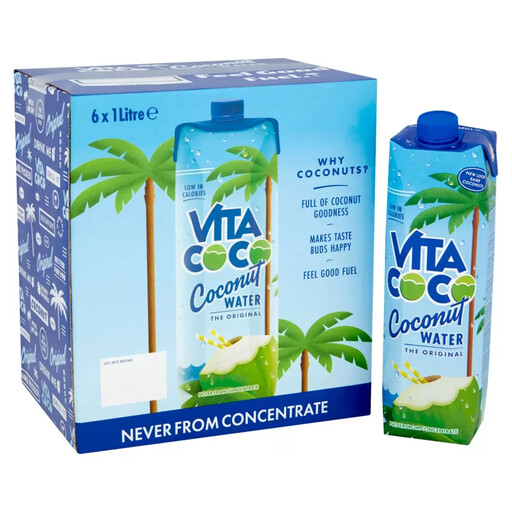
Why This Fits Their Persona: Six 1L cartons work for larger households, gym users and people who want a ready-to-drink beverage for smoothies or chilled servings.
The product specifies 99% coconut water and provides potassium information, rather than relying only on general hydration language.
19 calories per 100ml, no fat and a six-carton format. Refrigerate after opening and consume within the stated timeframe.
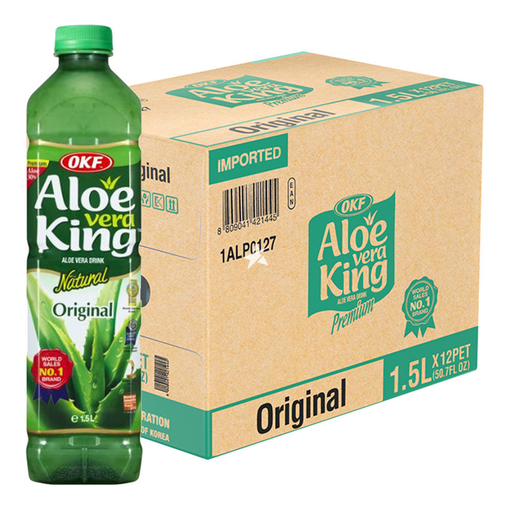
Why This Fits Their Persona: The Korean aloe vera drink multipack offers individual 500ml bottles for offices, shared homes and fans of distinctive Asian beverages.
The label states the aloe vera juice and gel percentages, as well as 8.2g of sugars per 100ml. This makes the sweetened profile easier to assess.
Twenty 500ml bottles, a lightly textured gel format and a subtle grape flavour. Shake before opening and refrigerate after opening.
We have compiled a complete, real-time list of products that fully satisfy these strict selection criteria and UK safety regulations.
They can reduce the price per bottle or litre, but the saving depends on pack size, delivery charges and whether every item will be consumed before its date. Compare the total volume rather than only the pack price. A 24-pack of 250ml drinks contains 6 litres, while a six-pack of 1L cartons contains the same total volume.
Follow the product label. Most concentrates should be refrigerated after opening, while unopened bottles are generally stored in a cool, dry place away from direct sunlight. Use the stated dilution ratio and check the recommended consumption period, as it varies between products.
Individual pouches or cans are convenient for lunchboxes and portioned serving. For gatherings, 750ml sparkling grape drinks, 1L cartons or larger family drinks multipack options are easier to share. For children under three, check age warnings and supervise use of attached straws where applicable.