
24/7 Customer Support

Free returns

Same-day & Next-day Delivery

Quality Guaranteed

Unlock Your Welcome Offers: FREE Delivery | Up to 80% OFF | Free 30-day JoyPlus trial
Download the APP
Walking down the drinks aisle, you're faced with a wall of colourful cartons, bottles and pouches. From everyday kids juice drinks to exotic Korean drinks, the choice is vast. But how do you know you're getting good value? Many shoppers find themselves disappointed by drinks that taste artificial, are packed with hidden sugars, or simply don't live up to their premium price tag.
As the Joybuy Product Recommendation Officer, my role is to help you navigate this crowded market. Let's look at three common pitfalls to avoid when buying fruit drinks & juices.
To make a smart choice, focus on the information on the label, not just the marketing on the front. Here are two key factors to analyse.
Actual Juice Content: This is usually listed as a percentage in the ingredients list (e.g., "Fruit Juices from Concentrate 10%"). A higher percentage generally indicates a richer, more authentic fruit flavour. A "100% fruit juice" is made entirely from the juice of the fruit, whereas a "juice drink" or "soft drink" is a beverage containing a smaller proportion of juice, mixed with water, sweeteners and flavourings.
Sugar Source and Sweeteners: Understanding the ingredients list is crucial. Look for terms like sugar, glucose-fructose syrup, or high fructose corn syrup, which are all forms of added sugar. If a product is labelled "no added sugar," check for sweeteners like sucralose, aspartame, or steviol glycosides (stevia). This allows you to make an informed decision based on your dietary preferences, especially when choosing a no added sugar squash or drinks for children.
Additives and Origin: For those exploring world beverages, it's useful to note any additives. Ingredients like nata de coco (coconut jelly) or real fruit pulp can add a unique texture. Also, be aware of colourants, which are sometimes flagged with a warning in the UK and EU (e.g., "may have an adverse effect on activity and attention in children").
We've matched some popular options to different household needs, helping you find the right fit while avoiding the common traps.
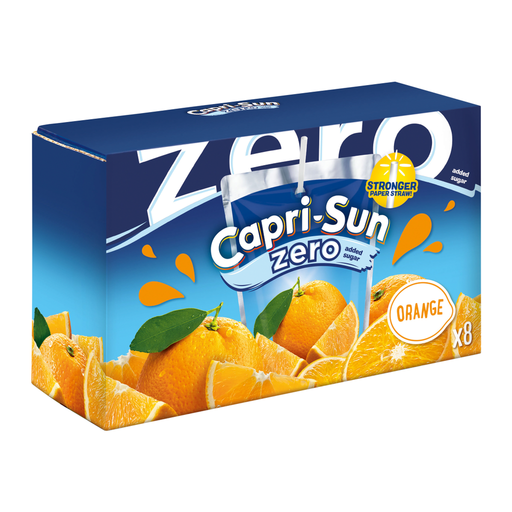
Why This Fits Their Persona: Ideal for parents packing lunchboxes or looking for a convenient after-school drink. The pouch format is easy for kids to handle, and the multipack is great for stocking the pantry for the week.
It sidesteps the "healthy halo" trap by being transparent. It's a 'Zero' sugar product that clearly lists sucralose as the sweetener, allowing parents to make an informed choice. The juice content (8%) is also clearly stated.
Very low in calories (4 kcal per 100ml) and comes in a durable, portable pouch format that minimises spills. A practical choice for on-the-go moments.
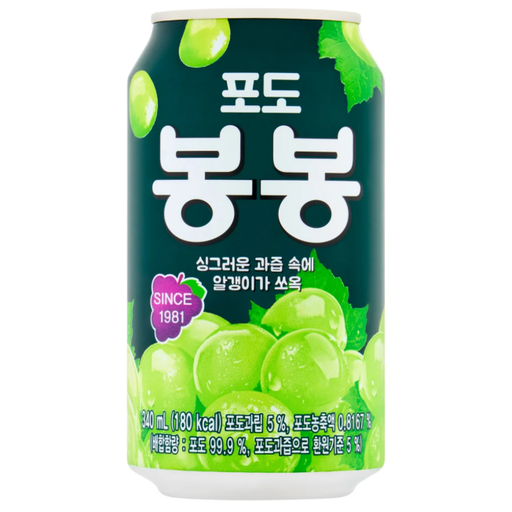
Why This Fits Their Persona: Perfect for anyone curious about popular Korean drinks and looking for a beverage that's also a snack. It offers a completely different experience from standard UK soft drinks.
This isn't just a grape-flavoured drink. It avoids the "juice illusion" by delivering a unique textural element with real grape pulp, which is its main selling point and justifies its status as a speciality beverage.
The inclusion of real, chewy green grape pulp provides a satisfying texture. It's a non-carbonated option for those who want a refreshing drink without the fizz.
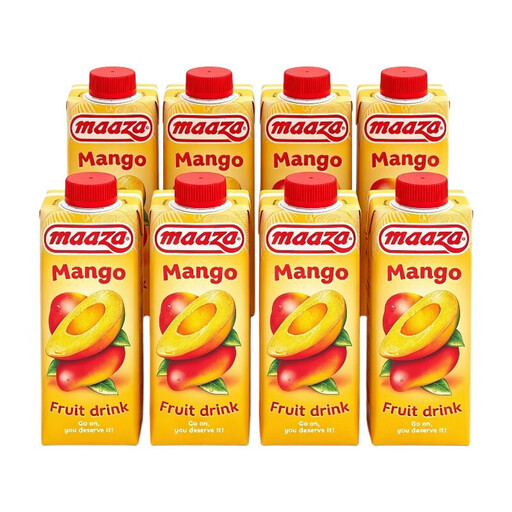
Why This Fits Their Persona: For those who crave a rich, authentic mango juice flavour. This drink is less about subtle hints and more about a full-bodied tropical experience, perfect served over ice or used as a mixer.
It avoids the "exotic premium" trap by delivering on its promise. The high mango puree content (17%) from Alphonso mangoes provides a genuinely rich and aromatic flavour that justifies its reputation, rather than relying on vague "tropical" marketing.
The use of Alphonso mango puree gives it a distinctive, authentic taste and deep colour. The fruit juice multipack format is convenient for stocking up.
We have compiled a complete, real-time list of products that fully satisfy these strict selection criteria and UK safety regulations.
1. What is the real difference between 'juice drink' and '100% fruit juice'? In the UK, the terminology is regulated. "100% fruit juice" must be just that—juice extracted from fruit, with nothing else added except for certain permitted vitamins or minerals. A "juice drink," on the other hand, is a beverage that contains a certain percentage of juice mixed with other ingredients like water, sugar, sweeteners and flavourings. Always check the ingredients list for the juice content percentage to understand what you are buying.
2. Are 'no added sugar' drinks a healthier choice for children? "No added sugar" simply means the manufacturer has not added sugars like sucrose or glucose syrup. These drinks can still contain high levels of naturally occurring sugars from the fruit juice itself. Alternatively, they may contain artificial sweeteners. Whether this is a "healthier" choice depends on your family's dietary goals. For some, reducing overall sugar intake (both natural and added) is key, while others may prioritise avoiding artificial sweeteners.
3. How can I make Korean or other world beverages taste their best? Many international drinks, especially those from Asia, are designed to be served very cold. For drinks like Haitai Grape Bongbong with pulp, a light shake before opening helps distribute the pieces evenly. For sparkling fruit drinks, chilling them thoroughly enhances the crispness of the carbonation. Some traditional concentrates, like Korean Citron Tea, are meant to be diluted with hot water for a warming beverage. Always check the usage instructions on the packaging for the intended experience.