Commuters carrying lunch
A bottle or can needs to suit the journey and the amount you intend to drink with lunch. Decide whether you want a still smoothie or a fizzy fruit drink before comparing pack sizes.


Choose a still smoothie if you want a blended fruit drink; choose a sparkling fruit drink if fizz matters more than smoothie texture. Check the exact product’s fruit content, sugars and pack size rather than treating the two as interchangeable. The NHS advises limiting fruit juice and smoothies to a combined 150ml a day, which also matters when the sparkling option is fruit juice.
A bottle or can needs to suit the journey and the amount you intend to drink with lunch. Decide whether you want a still smoothie or a fizzy fruit drink before comparing pack sizes.
Carbonation is the deciding feature, not a blended texture. Check the product description, fruit percentage, sugars and sweeteners: fruit-flavoured sparkling drinks and sparkling juices can have different ingredients.
The NHS advises limiting fruit juice and smoothies to a combined 150ml a day. Check the volume of a lunch drink, particularly if you have already had juice or a smoothie that day.
Choose the drink type first, then compare the pack and nutrition information for the portion you expect to have at lunch.
| Priority | What to check | When it matters to me |
|---|---|---|
| Drink type | Check whether the product is a blended smoothie, sparkling juice or fruit-flavoured soft drink. Confirm carbonation from the description rather than the fruit imagery. | I want a smoothie’s blended texture, or I want fizz; a fruit name alone will not tell me which drink I am picking up. |
| Portion size | Read the volume in ml. The NHS advises limiting fruit juice and smoothies to a combined 150ml a day; a 300ml or 350ml smoothie bottle exceeds that amount if finished. | A bottle I can carry may still contain more than I intend to drink at lunch, especially if I have had other juice or a smoothie today. |
| Ingredients and nutrition | Compare the stated fruit percentage, ingredients and sweeteners. Use sugars per 100ml for the same comparison basis, then check the amount per serving; front-of-pack traffic-light information may also be available, as GOV.UK explains. | I would rather compare what is in two drinks than assume that fruit wording or fizz tells me their sugar content. |
| Lunch format | Check whether the purchase is one bottle, individual cans in a multipack or a larger bottle. For a bottle you may not finish, read its storage instructions after opening. | One can might fit my lunch bag, while a multipack or larger bottle needs a plan for the remaining drinks. |
Retailers list sparkling juice drinks separately from smoothies. For example, Sainsbury’s describes its Vimto sparkling drink as containing 3% mixed fruit juice from concentrate, alongside sugar and sweeteners.
Read the product description, ingredients and stated fruit percentage. If you want a blended smoothie, check that the item is actually described as one.
Tesco lists a 300ml on-the-go smoothie, and M&S lists 350ml smoothies. Either bottle is larger than the NHS’s combined 150ml daily reference for fruit juice and smoothies if drunk in full.
Check the bottle volume and decide how much you intend to drink, taking other juice or smoothies that day into account.
Waitrose lists sparkling juice drinks in formats including 250ml cans sold as a multipack and 750ml bottles. The pack you buy and the amount you drink at one lunch are not necessarily the same.
Choose a format you can carry and use as intended. If you expect to keep an opened larger bottle, check its storage instructions.
These range examples can help you locate the right type of drink; they do not mean every fruit drink from a brand is a smoothie or every sparkling drink contains the same amount of fruit.
Innocent lists smoothies and “juicy water with bubbles” as separate parts of its drinks range.
Tesco lists Naked Green Machine, Blue Machine and other named variants in its smoothie category.
Tesco’s on-the-go juice and smoothie listings include a 300ml Innocent Super Smoothie Invigorate.
M&S describes ready-made smoothies in 350ml and 750ml bottles and lists sparkling chilled drinks separately.
Waitrose groups Appletiser, Shloer and pressés under sparkling juice drinks.
A Sainsbury’s Vimto sparkling fruit-flavour drink listing provides an example of why the ingredients matter.
These options suit the fizzy side of the lunch decision: they are sparkling fruit drinks or sparkling juice, not blended smoothies. Compare the individual pack size and label before choosing one.
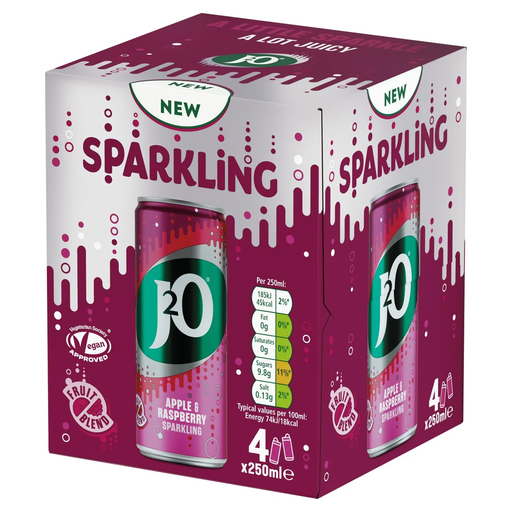 No image available
A sparkling apple-and-raspberry option for a lunch where you want fizz rather than a smoothie. The purchase format is four 250ml cans; check the pack’s ingredients and fruit percentages if those affect your choice.
 No image available
For a fizzy apple-juice option rather than a blended smoothie, this pack contains six 250ml servings. Joybuy’s product information describes it as 100% carbonated apple juice and states 26g sugars per 250ml serving. A full can is larger than the NHS’s combined 150ml daily reference for fruit juice and smoothies.
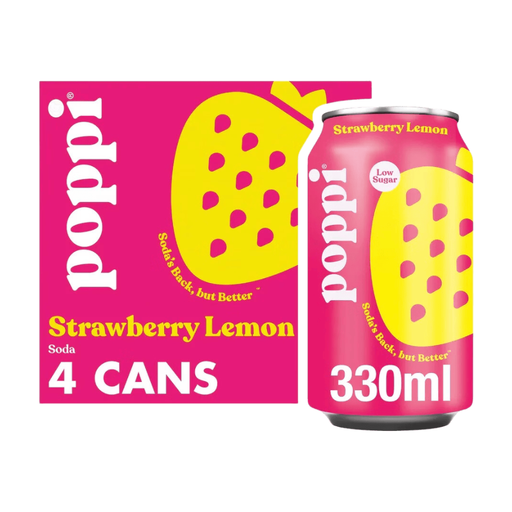 No image available
A fruit-flavoured can option to consider when choosing a fizzy drink instead of a smoothie. The pack contains four 330ml cans; compare the ingredients and sugars per 100ml with other drinks you are considering.
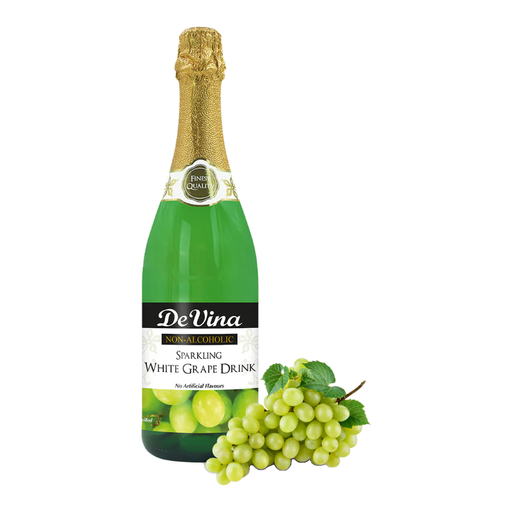 No image available
A sparkling grape drink in a 750ml bottle, rather than an individual lunch-sized can or a blended smoothie. Decide how much you intend to drink, and check the label for ingredients, allergens and storage instructions after opening.
Not necessarily. M&S describes its smoothies as blends of fruit juice and purées, while Waitrose lists drinks such as Appletiser and Shloer under sparkling juice drinks. Read the description and ingredients of the exact product if blended texture or fruit content matters to you.
A full 300ml bottle is larger than the NHS’s recommended combined limit of 150ml a day for fruit juice and smoothies. Check the bottle volume and account for any other juice or smoothies you have that day.
Check the drink type, ingredients, stated fruit percentage, sugars per 100ml and serving size; also check allergens and storage instructions where relevant. GOV.UK explains that nutrition information appears on the back of pre-packed food and that some packs also show front-of-pack traffic-light information for comparison.