
24/7 Customer Support

Free returns

Same-day & Next-day Delivery

Quality Guaranteed

Unlock Your Welcome Offers: FREE Delivery | Up to 80% OFF | Free 30-day JoyPlus trial
Download the APP
Choosing fruit drinks and soft drinks can seem simple until you compare sugar levels, serving sizes, ingredients and pack formats. A colourful can may look suitable for a lunchbox, while a “no added sugar” squash may still contain sweeteners that some households prefer to limit. International drinks can also have different flavour profiles, opening instructions and nutritional information from familiar UK products.
This guide helps you compare flavoured fizzy drinks, carbonated soft drinks, fruit-flavoured drinks, squash and ready-to-drink beverages without relying on exaggerated packaging claims.
“No added sugar” means that extra sugar has not been added during production. It does not necessarily mean the drink contains no naturally occurring sugar. Conversely, sugar-free soft drinks often use sweeteners such as sucralose, acesulfame K or aspartame.
Check both the “of which sugars” figure and the ingredients list. For example, a no added sugar squash may contain very little sugar once diluted, but it may still contain sweeteners or sulphites that matter to your household.
A small bottle can appear inexpensive, but the price per 100ml may be higher than a multipack. Concentrates require dilution, so compare the number of prepared servings rather than the bottle size alone.
For family use, a 1L bottle of squash may offer more flexibility. For packed lunches, picnics or portion control, 190ml to 330ml single-serve drinks may be more convenient.
A drink labelled peach, watermelon or strawberry may contain flavouring with only a small quantity of fruit juice, or none at all. Look for the percentage of fruit juice or fruit purée in the ingredients list.
This distinction is particularly useful when comparing juice drinks, sparkling fruit drinks and international soft drinks. A vivid flavour does not automatically indicate a high fruit content.
Use the nutrition panel to compare products per 100ml, then calculate the amount in the full bottle or can. This prevents a low-looking figure from being misunderstood when the container holds several servings.
For lower-sugar choices, Tango Orange Sugar Free provides 0g sugar and 2 kcal per 100ml, while Ribena Concentrate Blackcurrant is designed to be diluted and lists 2 kcal per 100ml for the prepared serving described on the product information. Robinsons No Added Sugar Summer Fruits Squash also lists 2 kcal per 100ml diluted serving.
These products still contain sweeteners, so check the label if you are avoiding particular ingredients. Some products also include sulphites or allergen warnings.
Check whether the drink contains:
Always read the current UK label before purchase, as formulations and packaging can change.
Consider how the drink will be used. A multipack of cans suits social occasions and portioned serving, while a concentrate is practical for regular family use. Glass bottles can provide an appealing presentation for world-food meals, but cans and plastic bottles may be easier for transport.
International products may also have specific instructions. Hatakosen Ramune uses a marble-sealed bottle and should not be shaken before opening. Once opened, many fruit drinks and soft drinks should be refrigerated and consumed promptly to preserve carbonation and flavour.

Why This Fits Their Persona: A flexible concentrate for households that want to prepare drinks at home and adjust dilution to taste.
The product information states the calorie value for a diluted serving, making it easier to compare with prepared drinks rather than undiluted concentrate.
1L bottle; no added sugar; suitable for vegetarian and vegan diets according to the product information.
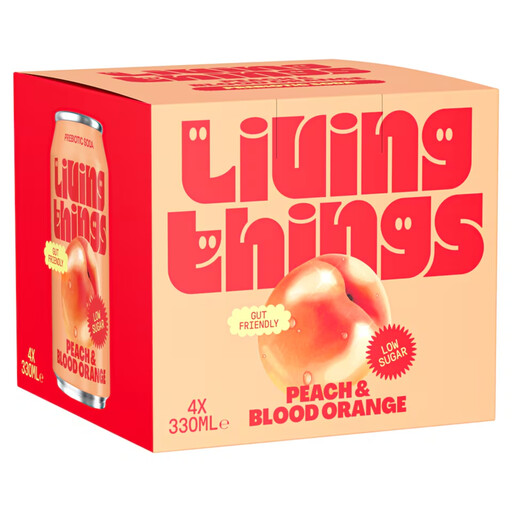
Why This Fits Their Persona: A lightly sparkling option for shoppers seeking a more distinctive fruit flavour and a four-can format for chilled serving.
Its product information gives clear per-100ml figures: 13 kcal, 1.5g sugar and 2g fibre, rather than relying only on front-of-pack wording.
Four 330ml cans; peach and blood orange flavour combination; contains live cultures and chicory root inulin.
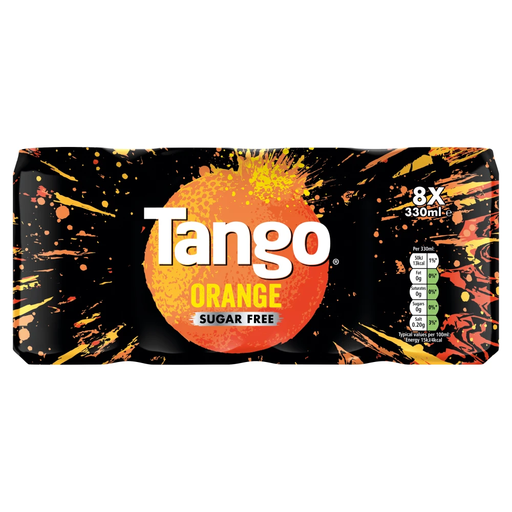
Why This Fits Their Persona: An eight-can multipack for households, packed lunches or hosts who want individually portioned orange soft drinks.
The pack format and per-can information make portion comparison straightforward, while the label clearly identifies the use of sweeteners.
Eight 330ml cans; 0g sugar and 2 kcal per 100ml; suitable for vegetarian and vegan diets according to the listing.
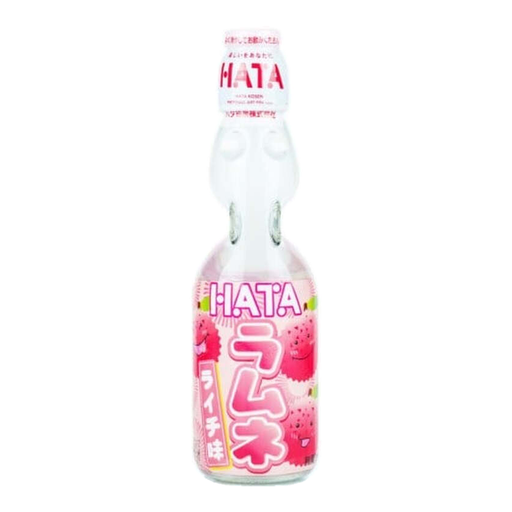
Why This Fits Their Persona: A compact Japanese drinks choice for themed meals, parties, picnics or anyone seeking a recognisable marble-sealed bottle.
The listing explains the opening method and advises not to shake the bottle, helping buyers avoid spills or incorrect handling.
200ml serving size; lychee flavour; product of Japan with a resealable-style marble neck design.
We have compiled a complete, real-time list of products that fully satisfy these strict selection criteria and UK safety regulations.
Not necessarily. Compare the sugar and calorie figures per 100ml, then check the actual serving size. Some fruit-flavoured drinks contain little fruit juice, while some carbonated options are sugar-free but use sweeteners. The most suitable choice depends on your dietary preferences and how often it is consumed.
Follow the ratio printed on the bottle. Ribena Concentrate Blackcurrant, for example, advises one part squash to at least four parts water. Dilute concentrates before drinking, refrigerate them after opening where instructed, and use extra water when preparing a serving for toddlers.
Multipacks of cans are easy to chill and distribute, while international soft drinks such as Mexican fizzy drinks, Japanese drinks and fruit-flavoured bottled beverages can add variety to themed meals. Check every label for caffeine or alcohol before serving children or guests with dietary restrictions.