
24/7 Customer Support

Free returns

Same-day & Next-day Delivery

Quality Guaranteed

Unlock Your Welcome Offers: FREE Delivery | Up to 80% OFF | Free 30-day JoyPlus trial
Download the APP
Fruit drinks and squash can make everyday meals, packed lunches and social occasions more enjoyable, but the range of formats and labels can make shopping surprisingly difficult. A colourful bottle may suggest natural refreshment, while the nutrition panel tells a different story.
Before buying, UK households should look beyond flavour names and promotional wording. The most useful checks are sugar content, fruit percentage, serving format, sweeteners, pack size and storage instructions.
No added sugar squash does not necessarily contain no sugar. Fruit juice from concentrate can contribute naturally occurring sugars, while sweeteners such as sucralose, aspartame or acesulfame K may provide sweetness without the same energy content as sugar.
For example, a diluted drink may show negligible amounts of sugar per serving, while a ready-to-drink tropical fruit beverage can contain around 10–12g of sugar per 100ml. Always compare products using the same measurement: per 100ml, per diluted serving or per whole bottle.
Squash or fruit cordial is diluted with water, making a larger number of servings from one bottle. Ready-to-drink fruit beverages, cans and cartons require no preparation but may be more expensive per litre and less flexible for family use.
Fruit percentage also varies considerably. A guanabana drink with 12% puree, a squash with 10% fruit juice and a drink with a smaller juice contribution will have different flavour intensity and nutritional profiles. A tropical label does not automatically mean a high fruit content.
International drinks can introduce less familiar ingredients, such as aloe vera pulp, coconut, stabilisers or different sweeteners. Some squash products list sulphites, while coconut-based drinks require allergen awareness.
Storage is equally important. Opened squash may remain suitable for several weeks when refrigerated, whereas opened aloe vera drinks and cartons of exotic fruit juice may need consuming within two to five days. Check the bottle or carton rather than relying on assumptions.
Identify whether the product is:
For everyday family serving, a 1L squash can be practical. For lunchboxes, commuting or picnics, a 240–500ml bottle or can may be more convenient.
Use the per 100ml panel to compare products consistently. Robinsons No Added Sugar Orange, for example, lists 1 kcal per 100ml diluted and 3 kcal per 250ml diluted serving. By contrast, Tropical Sun Sugarcane Juice Drink lists 52 kcal and 12g of sugar per 100ml.
“No added sugar” products can still contain sweeteners and naturally occurring sugars. Some also include a source of phenylalanine or sulphites, so read the allergen and safety information if this is relevant to your household.
A multipack of cans may suit entertaining, while a large carton or bottle can work out more practical for shared meals. However, a large size only offers value if it will be consumed within the stated period after opening.
Check whether the product needs refrigeration before or after opening, whether it should be shaken and whether it must be diluted. These small details affect convenience and reduce waste.

Why This Fits Their Persona: A 1L bottle suits family meals and regular dilution, helping households add orange flavour to water without buying individual ready-to-drink bottles.
The label states that it is diluted and contains no added sugar, making it easier to compare with sugary family soft drinks. It still contains sweeteners and sulphites, which shoppers should note.
10% orange fruit from concentrate; 3 kcal per 250ml diluted serving; suitable for vegan and vegetarian diets according to the supplied product information.
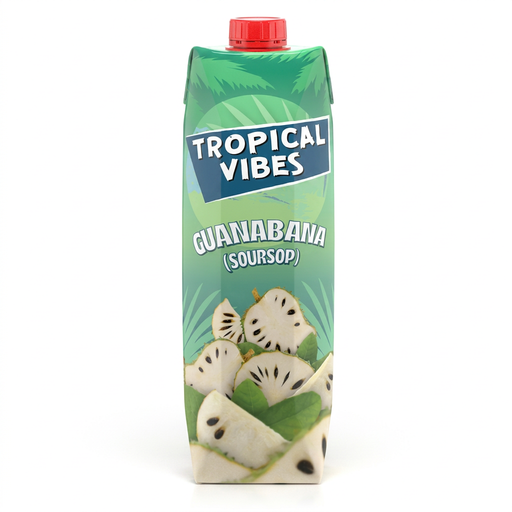
Why This Fits Their Persona: A Caribbean-style exotic fruit juice for shoppers seeking a distinctive flavour for weekend meals, barbecues or chilled sharing.
The carton specifies 12% guanabana puree and 51 kcal with 12g of sugar per 100ml, so its richer fruit profile is not confused with a low-sugar squash.
1L carton; contains guanabana puree; suitable for ambient storage unopened and chilled serving.
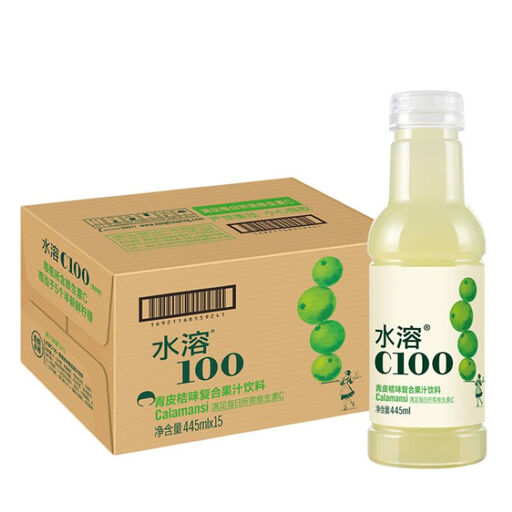
Why This Fits Their Persona: The 15-bottle format suits offices, school routines, travel and households that prefer individual ready-to-drink fruit beverages.
Its per-100ml information makes the sugar level clear: 8.5g carbohydrates and 37 kcal. This helps shoppers assess the drink rather than relying on the vitamin C positioning alone.
Ready to drink; 445ml bottles; green tangerine flavour; listed vitamin C content.

Why This Fits Their Persona: A larger aloe vera drink with pulp suits shoppers looking for Asian and Caribbean drinks with a different texture from conventional juice.
The listing identifies at least 15% aloe vera pulp and provides a stated 1 kcal per 100ml. It also makes the two-day refrigerated consumption window clear after opening.
1.5L bottle; aloe vera pulp pieces; no artificial colours listed; contains sweetener rather than added sugar in the supplied ingredients.
We have compiled a complete, real-time list of products that fully satisfy these strict selection criteria and UK safety regulations.
Usually, squash can provide more servings from one bottle because it is diluted with water. The overall value depends on the recommended dilution ratio, bottle price and how much is wasted. Ready-to-drink cans and bottles offer convenience but generally provide a fixed serving size.
They may suit shoppers reducing added sugar, but they can contain sweeteners, naturally occurring fruit sugars and allergens such as sulphites. Some products also carry specific guidance for young children. Read the current label and follow the manufacturer’s dilution and serving instructions.
It varies by product. Some concentrates advise refrigeration and consumption within several weeks, while aloe vera drinks and fruit cartons may recommend use within two to five days. Keep opened products refrigerated where instructed and check the packaging for the precise storage period.