
24/7 Customer Support

Free returns

Same-day & Next-day Delivery

Quality Guaranteed

Unlock Your Welcome Offers: FREE Delivery | Up to 80% OFF | Free 30-day JoyPlus trial
Download the APP
Navigating the drinks aisle can feel overwhelming. Shelves are filled with brightly coloured bottles and cans, all promising a burst of fruity refreshment. However, not all fruit drinks are created equal. As a Product Recommendation Officer at Joybuy, my role is to help you see past the marketing and make choices that suit your household's needs and preferences. Many shoppers find themselves disappointed by drinks that don't live up to their "healthy" or "natural" image.
Let's look at two common pitfalls to avoid:
To ensure you're getting what you expect, a quick check of the label is essential. Focusing on a few key details can help you find the perfect drink for your needs, whether it's for a family picnic, a post-workout refreshment or a simple daily treat.
In the UK, food labelling laws provide a clear distinction. A product labelled "fruit juice" is typically 100% pure juice, which may be from concentrate. In contrast, a "fruit drink" or "juice drink" has no such requirement and often contains a much lower percentage of juice, usually between 5% and 25%. Always check the ingredients list for the juice from concentrate (%) to understand how much real fruit you are getting. This is particularly important when buying kids fruit drinks, where you want to ensure they are getting some nutritional value.
The "Carbohydrates (of which sugars)" line in the nutritional information panel is your guide. This figure includes both naturally occurring sugars from the fruit and any added sugars. For those managing their sugar intake, look for options that are explicitly labelled "zero sugar" or have a low value in this section. Common sweeteners used in sugar-free soft drinks include Sucralose, Acesulfame K and Stevia. If you see a warning for Phenylketonurics, it means the product contains Aspartame.
The packaging often dictates convenience and occasion.
To help you navigate the options, we've matched a few products to different needs and lifestyles.
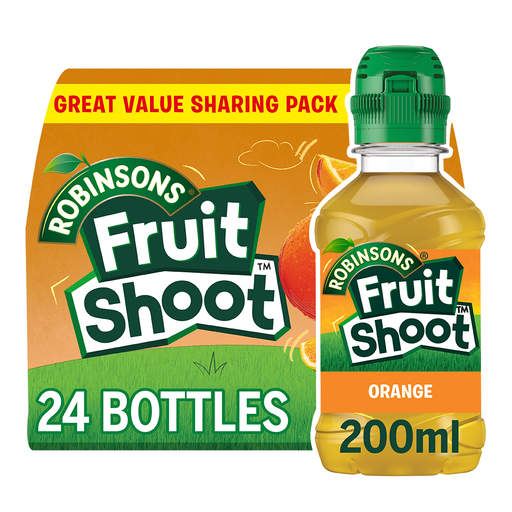
Why This Fits Their Persona: This fruit juice multipack is designed with active families in mind. The 200ml bottles are perfectly sized for lunchboxes or after-school activities, and the brand is a familiar choice for many UK households looking for reliable kids fruit drinks.
It directly counters the "hidden sugar" trap by being a "no added sugar" product, containing only naturally occurring sugars from the 8% real orange juice. The label is clear and transparent.
Features a spill-proof sports cap to minimise mess. The bottles are also made from 100% recyclable plastic (excluding the cap and label).
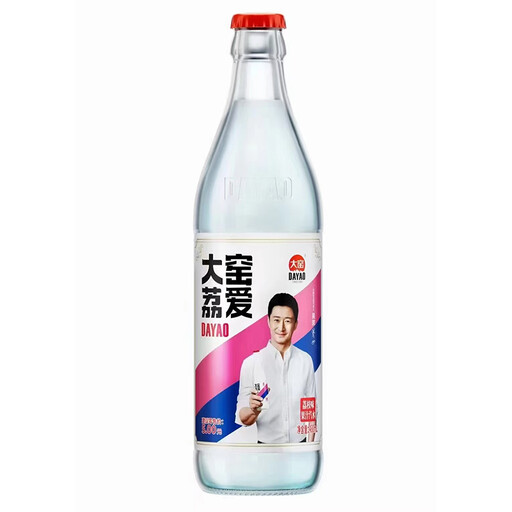
Why This Fits Their Persona: For those seeking exotic sodas and new taste experiences, this lychee-flavoured sparkling drink offers something different. Its large 480ml glass bottle makes it great for sharing or pairing with a meal, providing a more premium feel than standard canned soft drinks UK.
It sidesteps the "fruit content illusion" by clearly stating it is blended with real lychee and apple juice concentrates. While it is a soda, it is transparent about its low-calorie nature (18 kcal per 100ml).
Offers a unique, refreshing lychee flavour with fine bubbles for a crisp taste. It is also zero fat and low in calories, making it a lighter indulgence.
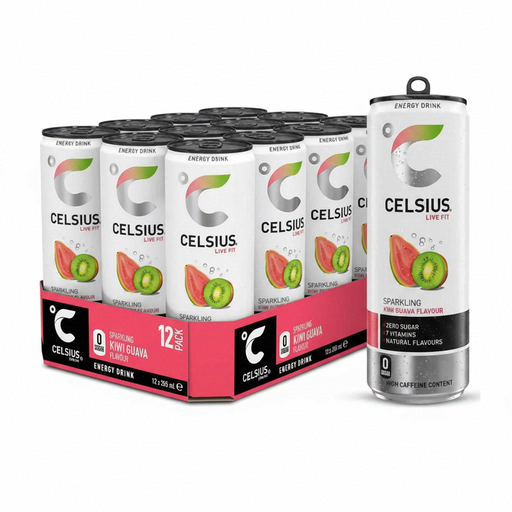
Why This Fits Their Persona: This is a functional beverage for adults seeking more than just hydration. It's a popular choice for a pre-workout boost or a mid-afternoon pick-me-up, combining a sparkling fruit drinks experience with functional ingredients.
This drink is a prime example of a well-executed sugar-free soft drink. It completely avoids the "hidden sugar" trap by having zero sugar, relying on sweeteners and natural flavours for its taste.
It is fortified with 7 vitamins and contains natural caffeine. The kiwi and guava flavour offers a refreshing and tropical juice drinks profile without any sugar.
We have compiled a complete, real-time list of products that fully satisfy these strict selection criteria and UK safety regulations.
The main difference is the percentage of actual fruit content. In the UK, a product labelled "100% fruit juice" must be entirely derived from fruit. A "fruit drink" or "juice drink," on the other hand, is a beverage made with a smaller amount of juice, diluted with water and often with added sugars, sweeteners and flavourings. Always check the ingredients list to see the exact percentage of juice.
For individuals looking to reduce their calorie and sugar consumption, sugar-free soft drinks can be a useful alternative. They provide the flavour and refreshment of a sugary drink without impacting blood sugar levels in the same way. However, they contain artificial sweeteners, which some people prefer to avoid for personal dietary reasons. It's a matter of balancing your health goals with your taste preferences.