
24/7 Customer Support

Free returns

Same-day & Next-day Delivery

Quality Guaranteed

Unlock Your Welcome Offers: FREE Delivery | Up to 80% OFF | Free 30-day JoyPlus trial
Download the APP
Navigating the supermarket aisle for fruit drinks can feel overwhelming. Shelves are packed with a dizzying array of cartons, bottles and pouches, all competing for your attention. While the packaging often promises pure, fruity goodness, the reality can be quite different. Many of us have been caught out by clever marketing, only to find our purchase is not what we expected. As the Joybuy Product Recommendation Officer, my role is to help you see past the hype and make choices that suit your family's needs and budget.
Before you add anything to your basket, let's look at a few common pitfalls that can lead to disappointment and wasted money.
To make an informed choice, you need to become comfortable with quickly scanning the back of the pack. Here are the three most important things to check.
This is the most reliable indicator of what you are actually buying. Look at the ingredients list, where manufacturers must declare the percentage of key ingredients.
Forget the front-of-pack claims and turn straight to the nutritional table. The most important figure for a fair comparison is "Carbohydrates - of which sugars" per 100ml. This allows you to compare a small pouch with a large carton on a like-for-like basis. A drink with 4.5g of sugar per 100ml is significantly different from one with 11g per 100ml, regardless of whether that sugar was "added" or is naturally occurring. This is a crucial step when looking for healthy drinks for kids or a no added sugar fruit juice option.
Consider how and when you'll be drinking it.
Based on these practical considerations, here are a few options from our range, matched to different household needs.
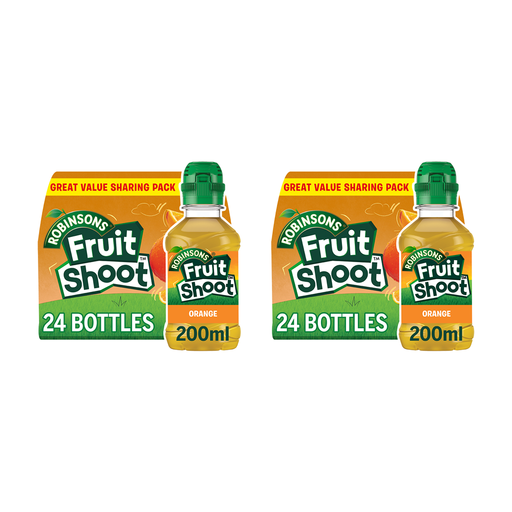
Why This Fits Their Persona: This bulk multipack is designed for convenience. The 200ml bottles are perfectly sized for kids' lunchboxes, and the spill-proof sports cap helps prevent messes during school breaks or on car journeys.
It's clearly a 'juice drink' with no added sugar. The nutritional information shows a very low sugar content (1.2g per 100ml), addressing the "hidden sugar" concern directly.
Made with real fruit juice and fortified with B vitamins. The packaging is 100% recyclable (excluding the cap).
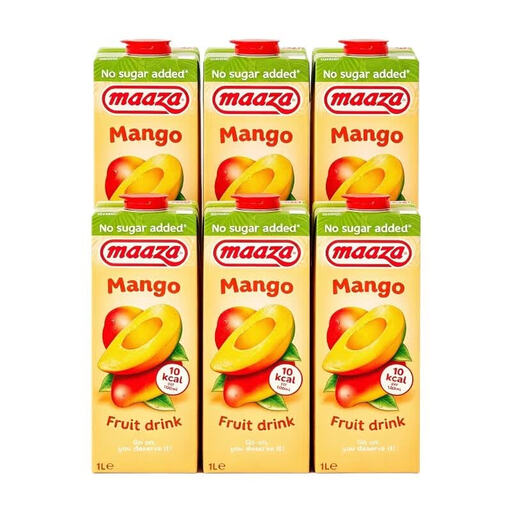
Why This Fits Their Persona: This drink delivers a rich tropical flavour without the high sugar load. It's ideal for someone who enjoys a flavourful daily drink but is actively monitoring their sugar and calorie intake. The 1L cartons are great for stocking the fridge.
Despite being a "fruit drink" with 17% mango puree, it directly tackles the sugar pitfall by using sweeteners, resulting in only 2.2g of sugar and 10 kcal per 100ml.
It's gluten-free and vegan-friendly, offering a full mango flavour experience with a very low calorie count, making it a guilt-free indulgence.
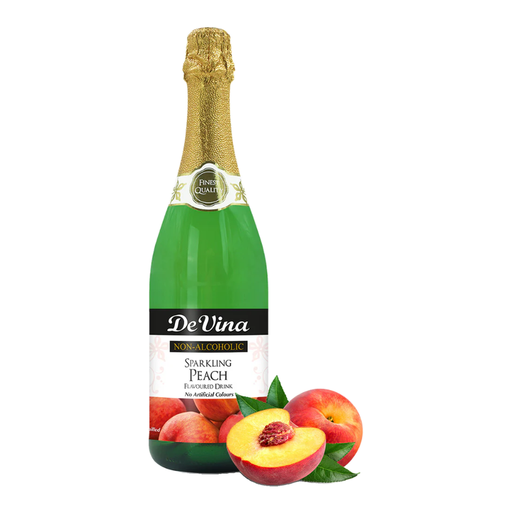
Why This Fits Their Persona: This is a sophisticated, non-alcoholic option for celebrations. The 750ml bottle and sparkling nature make it feel special, perfect for serving to guests at a brunch, dinner party or family gathering.
It's presented as a celebratory beverage, not a health drink. The format and style are appropriate for its purpose as a treat, and it clearly states it contains 10% peach juice from concentrate.
It offers an elegant, flavourful alternative to alcoholic sparkling wines. It's ready to serve chilled and pairs well with light meals and appetisers.
We have compiled a complete, real-time list of products that fully satisfy these strict selection criteria and UK safety regulations.
In the UK, the terminology is regulated. "Fruit juice" must be 100% juice from the named fruit. It can be "from concentrate" or "not from concentrate." A "fruit drink" or "juice drink" is a beverage that contains a certain percentage of juice mixed with other ingredients like water, sugar, sweeteners and flavourings. Always check the ingredients list for the exact juice percentage.
"No added sugar" simply means the manufacturer has not added extra sugar crystals or syrups. However, the drink can still be high in naturally occurring sugars from the fruit itself, especially if it's made with a high concentration of fruit juice. To assess if it's a suitable choice, always check the "of which sugars" value per 100ml in the nutritional information table. Lower is generally better for a regular drink.
Most shelf-stable multipack juice drinks in cartons or pouches should be stored in a cool, dry place away from direct sunlight, like a pantry or cupboard. There is no need to refrigerate them before opening. However, once an individual carton or bottle is opened, it should be refrigerated and typically consumed within 3-4 days, as stated on the packaging. Always check the "best before" date on the outer packaging.