
24/7 Customer Support

Free returns

Same-day & Next-day Delivery

Quality Guaranteed

Unlock Your Welcome Offers: FREE Delivery | Up to 80% OFF | Free 30-day JoyPlus trial
Download the APP
Navigating the drinks aisle can be more complicated than it seems. With shelves packed with colourful bottles and cartons all vying for your attention, it's easy to make a choice that doesn't quite meet your family's needs or your budget. As a Joybuy Product Recommendation Officer, my role is to help you see past the marketing jargon and make informed decisions. Many shoppers find themselves caught in a few common traps, leading to disappointment and wasted money.
Here are the key pitfalls to be aware of when buying fruit drinks:
party drinks pack or a case of 1-litre cartons can seem like a great deal. However, if the flavour isn't a household hit or the drink needs to be consumed within a few days of opening, you can end up pouring money down the drain.To avoid these pitfalls, focus on a few key details on the product label. This simple check can make all the difference between a refreshing purchase and a regrettable one.
The most important factor is the amount of actual fruit in your drink. UK regulations have clear definitions that can help you understand what you're buying:
For everyday hydration, especially for kids juice drinks, checking the percentage of real fruit juice is crucial.
For many families, managing sugar intake is a priority. When you see "no added sugar", it means the manufacturer has not added any extra sugar, but the product will still contain naturally occurring sugars from the fruit. These are often found in no added sugar squash and some ready-to-drink options.
Alternatively, low calorie soft drinks often achieve their sweetness using sweeteners like sucralose, aspartame, or stevia. Always check the ingredients list to see which, if any, are used. This allows you to make a choice that aligns with your family's dietary preferences.
The right packaging can save you both hassle and money. Consider how you'll be using the drink:
Based on these practical considerations, here are a few recommendations from our range, matched to different household needs.
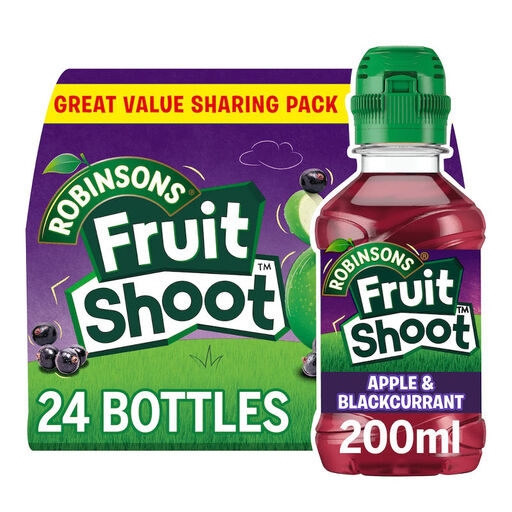
Why This Fits Their Persona: This is a classic choice for UK parents needing reliable lunchbox drinks. The 24-pack offers convenience for school weeks, and the spill-proof sports cap is a practical feature for active kids.
It is explicitly labelled "no added sugar", containing only naturally occurring sugars and sweeteners. The portion-controlled bottles prevent the waste that can come from a large, opened carton.
Made with real fruit juice from concentrate and fortified with B vitamins. The multipack format is cost-effective for daily use.
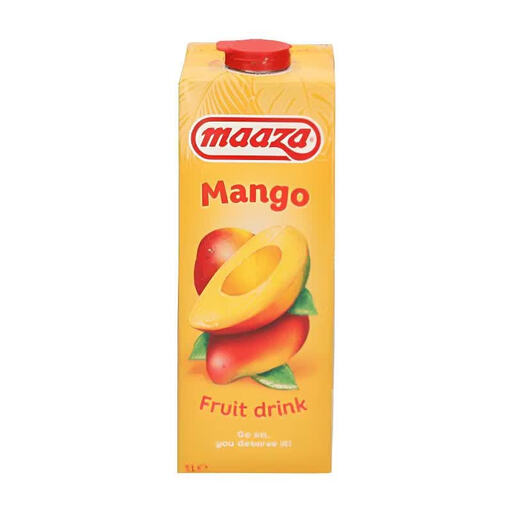
Why This Fits Their Persona: For those looking to move beyond standard apple and orange, this drink offers an authentic taste of Alphonso mangoes. It's a popular world food drink that brings a rich, tropical flavour to your home.
This product is transparent about its composition. It's clearly a "mango juice drink," not 100% juice, with a stated 18% mango puree. This honesty avoids the "fruit drink vs. juice" pitfall, as you know you're buying it for its unique flavour profile.
Delivers a distinct, rich mango flavour that is difficult to find in standard UK supermarket ranges. It's also versatile enough to be enjoyed on its own or as a mixer.
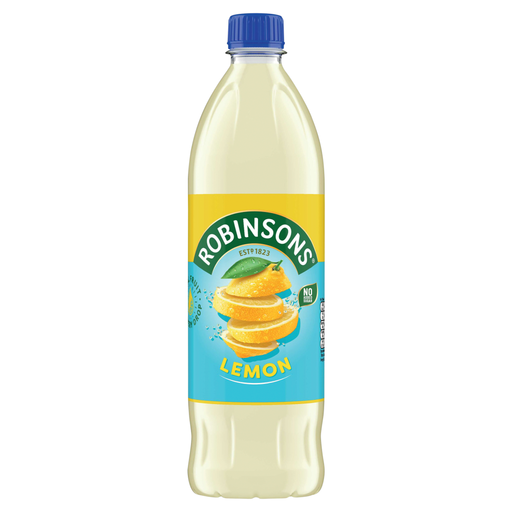
Why This Fits Their Persona: A staple in millions of UK cupboards, this squash offers excellent value and versatility. One bottle provides many servings, making it a cost-effective way to keep the whole family hydrated.
As a concentrate, it avoids the "false economy" trap by offering a long shelf life and allowing users to dilute to their own taste, preventing waste. The "no added sugar" formula directly addresses health concerns.
Made with 10% real lemon juice from concentrate for an authentic zesty flavour. It's a highly economical choice for daily hydration.
We have compiled a complete, real-time list of products that fully satisfy these strict selection criteria and UK safety regulations.
1. What is the real difference between 'fruit drink' and '100% fruit juice'? In the UK, "100% fruit juice" means the product is made entirely from fruit, with nothing else added except for water if it's from concentrate. A "fruit drink," on the other hand, is a beverage that contains some juice but is primarily made of water, flavourings and often sugar or sweeteners. Always check the ingredients list for the actual juice percentage.
2. How long do fruit drinks last once opened? This depends on the type of drink and its packaging. Aseptically packed 1-litre cartons of juice or fruit drinks should typically be refrigerated and consumed within 3-5 days of opening. Squash concentrates last much longer, usually up to 4 weeks in the fridge, as stated on the packaging. Single-serving pouches and cans are designed for immediate consumption.
3. Are 'no added sugar' drinks suitable for children? Many "no added sugar" drinks are designed with children in mind. However, it's important to read the label. These drinks often contain sweeteners instead of sugar. Some products also carry age recommendations; for example, certain caps can be a choking hazard for children under 36 months. Always check the product's safety information to make a suitable choice for your child.