
24/7 Customer Support

Free returns

Same-day & Next-day Delivery

Quality Guaranteed

Unlock Your Welcome Offers: FREE Delivery | Up to 80% OFF | Free 30-day JoyPlus trial
Download the APP
Navigating the fruit drinks aisle can feel overwhelming. With labels shouting "no added sugar," "from concentrate" and "100% natural," it's difficult to know what you are actually buying. As a Product Recommendation Officer at Joybuy, I see how easily shoppers can be misled by clever marketing, often ending up with a drink that doesn't match their health or taste expectations.
Many of us have been caught out. You buy a multipack of what looks like healthy fruit juice for the kids' lunchboxes, only to find it's mostly sugar water with a splash of fruit flavouring. Or you purchase a premium-priced "superfruit" juice, assuming it's pure, but the ingredients list reveals it's bulked out with cheaper apple or grape juice. These common pitfalls not only waste money but also undermine efforts to make healthier choices for our families.
This guide will help you cut through the clutter. We will break down the essential factors to check before you buy and show you how to select the right fruit drinks for your specific needs, whether you're looking for post-workout hydration, a lunchbox staple or a simple, refreshing treat.
Before adding any fruit drink to your basket, a quick look at the packaging can tell you everything you need to know. Focus on these three areas to ensure you are getting what you pay for.
The most significant point of confusion lies in the terminology. In the UK, the terms "fruit juice" and "juice drink" have different legal definitions that directly relate to quality.
Always check the Quantitative Ingredient Declaration (QUID) on the label, which will state the exact percentage of fruit juice. This is the clearest indicator of whether you are buying pure juice or a diluted drink.
"No added sugar" does not mean a drink is low in sugar. Fruits contain natural sugars and while these are part of a whole fruit's nutritional package, in juice form, they can be highly concentrated.
To make an informed choice, always check the "Carbohydrates (of which sugars)" value per 100ml in the nutritional information table. This allows for a fair comparison between different products, regardless of bottle size. A drink with 4g of sugar per 100ml is significantly different from one with 12g per 100ml, even if both claim "no added sugar." This is particularly important when choosing low calorie drinks or options for children.
The ingredient list is your best friend for uncovering the true nature of a fruit drink. Look for:
Based on transparency, ingredient quality and suitability for different needs, here are some recommendations for various households.
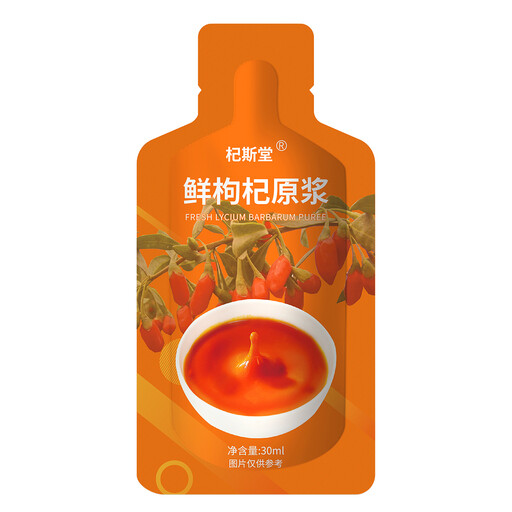
Why This Fits Their Persona: This is ideal for those seeking a pure, functional beverage. The single-ingredient formula appeals to clean-eating principles and the portable 30ml pouch is perfect for a post-workout boost or a convenient wellness shot during a busy day.
It sidesteps the "juice drink" pitfall entirely. The ingredient list is simply "Goji berry puree," ensuring you get 100% fruit with no hidden water, sugar or fillers.
Made from fresh goji berries in a puree format for better absorption compared to dried berries. The single-serve pouch is highly convenient.
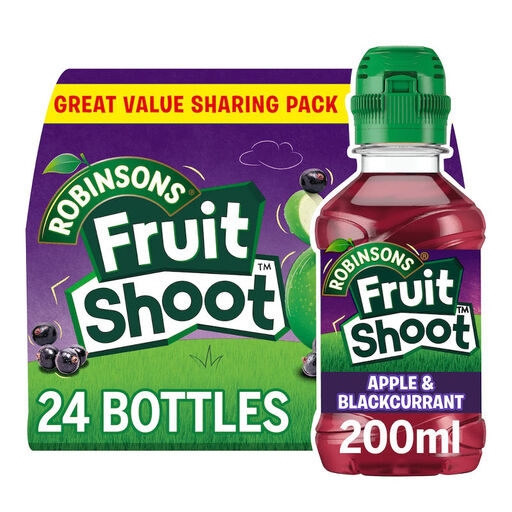
Why This Fits Their Persona: A practical choice for parents looking for convenient kids fruit drinks. The juice multipack format is perfect for school lunchboxes and days out and the no-added-sugar recipe is a key consideration for many families.
This product is transparent about being a juice drink. The label clearly states it's made with 8% fruit juice from concentrate and uses sweeteners to achieve a very low sugar content (0.7g per 100ml).
Extremely low in calories (4 kcal per 100ml) and sugar. The resealable sports cap is practical for active children and the bottles are durable.
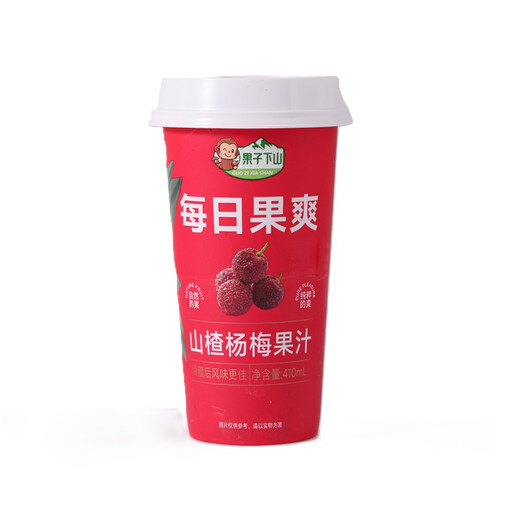
Why This Fits Their Persona: For those tired of the usual apple and orange, this drink offers a unique taste of East Asia. The combination of hawthorn and bayberry (yangmei) provides a balanced sweet-and-tart flavour profile that is both refreshing and novel.
It is upfront about its composition, clearly stating it contains 30% hawthorn and 2% bayberry juice concentrate. Its purpose is to deliver a specific flavour experience, not to be a 100% juice.
Features a high percentage of hawthorn for an authentic taste. It offers a unique flavour combination not commonly found in the UK market.
We have compiled a complete, real-time list of products that fully satisfy these strict selection criteria and UK safety regulations.
In the UK, "fruit juice" must be 100% juice from the named fruit. A "juice drink," however, is a beverage made with a certain percentage of juice mixed with other ingredients like water, sugar, sweeteners or flavourings. Always check the ingredients list and juice percentage to understand what you are buying.
Sparkling fruit juice can be a refreshing alternative to sugary fizzy drinks, but its healthiness depends on the ingredients. Some are simply 100% fruit juice with added carbonation. Others are more like traditional soft drinks, with a low juice content and high amounts of sugar or sweeteners. As always, check the nutritional information for sugar content per 100ml to make an informed choice.
Look for drinks specifically marketed as kids fruit drinks, as they often come in durable, portion-controlled packaging. Prioritise options with no added sugar and check the total sugar content. Multipacks offer convenience and value. Brands that are transparent about their juice percentage and use sweeteners instead of sugar can be a good low-calorie choice for a lunchbox treat.