
24/7 Customer Support

Free returns

Same-day & Next-day Delivery

Quality Guaranteed

Unlock Your Welcome Offers: FREE Delivery | Up to 80% OFF | Free 30-day JoyPlus trial
Download the APP
Choosing between fruit drinks and soft drinks can be surprisingly difficult. Supermarket shelves and online listings are filled with attractive flavours, family packs and claims such as “natural”, “zero” or “refreshing”, but the front label rarely tells the whole story.
UK shoppers can avoid common buying mistakes by checking three details before ordering:
Whether you need lunchbox drinks, coconut water after exercise, Asian drinks for a gathering or everyday sugar-free drinks, the following checks can help you compare products more fairly.
Pack sizes vary considerably, from 200ml pouches to 1-litre cartons and larger soft drink multipacks. Comparing energy and sugars per 100ml gives you a consistent basis.
For example, the listed coconut water contains 19 kcal and 4.5g of sugars per 100ml, while the sugar-free strawberry flavoured water lists 1 kcal and 0g of sugars per 100ml. The latter uses sucralose, so “sugar-free” does not mean the same as “free from sweeteners”.
Fruit juice drinks may contain naturally occurring sugars, added sugar or both. A product such as a tropical juice drink should therefore be checked for its juice percentage and sweetener content rather than judged by its fruit imagery.
Ingredients are listed in descending order by weight. Look for:
This is particularly important when buying no added sugar squash, flavoured water or Asian drinks. “No added sugar” means sugar has not been added during production; it does not necessarily mean the drink contains no naturally occurring sugars.
Some products also carry specific warnings. Drinks containing aspartame may need a phenylalanine statement, while certain colours include a UK-required advisory regarding activity and attention in children. Always read the current packaging, especially when buying for children.
Choose individual bottles or pouches for packed lunches and commuting, while 1-litre cartons and soft drink multipacks are more suitable for home use, parties or shared meals.
Also check whether the drink needs refrigeration after opening. Examples include:
For delivery, consider cupboard space, total volume and the best-before date shown on the packaging.
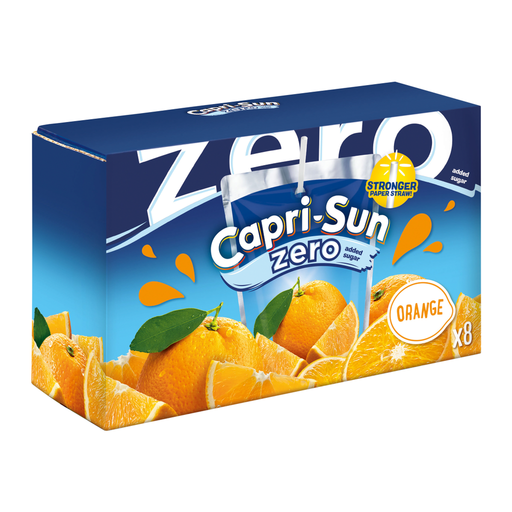
Why This Fits Their Persona: Eight 200ml pouches provide portion-sized drinks for packed lunches, family snacks and casual refreshment without opening a large carton.
The ingredient and nutrition information clearly identifies sucralose and shows 4 kcal with 0.6g sugars per 100ml, rather than relying only on “Zero” front-of-pack wording.
Individual 200ml format; no listed allergens; suitable for cupboard storage before opening.
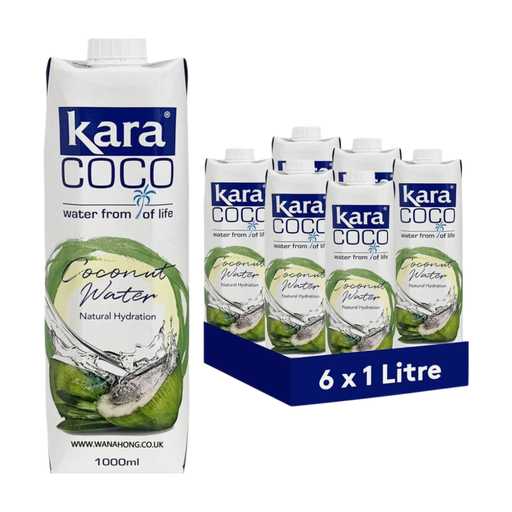
Why This Fits Their Persona: A six-carton format suits shoppers who want a clearly specified coconut water for chilled everyday drinking, smoothies or warm-weather refreshment.
The listed quantitative ingredient declaration states coconut water 100%, with no added sugar, preservatives or artificial flavours.
1-litre cartons; 19 kcal per 100ml; suitable for serving chilled or using in smoothies.
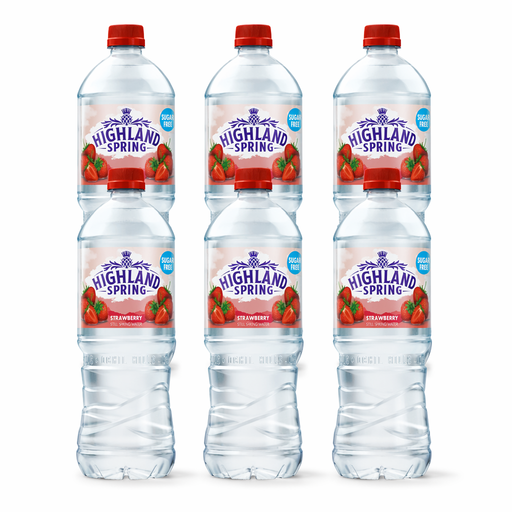
Why This Fits Their Persona: Six 1.25-litre bottles are practical for busy households, office fridges, parties or shoppers who prefer still drinks with a fruit flavour.
The label specifies 0g sugars and 1 kcal per 100ml, while also listing sucralose, potassium sorbate and sulphites for an informed choice.
Large household-friendly bottles; no fat or salt listed per 100ml; recyclable bottle information provided by the brand.
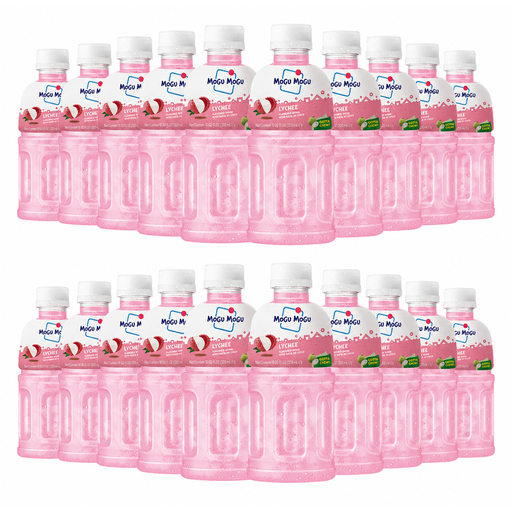
Why This Fits Their Persona: A 24-pack of lychee drinks offers a distinctive tropical flavour and chewy nata de coco texture for gatherings, snacks or exploring Asian-style ready-to-drink beverages.
The label makes the texture clear by listing 25% nata de coco, while the nutrition panel shows 12g of sugars per 100ml.
320ml individual bottles; coconut ingredient clearly declared; designed to be served chilled and shaken gently before opening.
We have compiled a complete, real-time list of products that fully satisfy these strict selection criteria and UK safety regulations.
“Sugar-free” products usually contain little or no sugar, but may use sweeteners instead. Standard fruit drinks can contain naturally occurring fruit sugars, added sugar or both. Compare the nutrition panel and ingredient list, and choose the format that suits your household preferences.
Electrolyte drinks vary in sugar, salt and electrolyte content. Some are designed for specific exercise or hot-weather situations, while others are simply flavoured beverages with added minerals. Check the nutrition information and serving size rather than assuming that every electrolyte drink is necessary for daily use.
Follow the label instructions. Many fruit drinks, aloe vera drinks, juice drinks and nata de coco drinks should be refrigerated after opening and consumed within one to four days. Keep unopened products in a cool, dry place away from direct sunlight where instructed.