
24/7 Customer Support

Free returns

Same-day & Next-day Delivery

Quality Guaranteed

Unlock Your Welcome Offers: FREE Delivery | Up to 80% OFF | Free 30-day JoyPlus trial
Download the APP
Choosing between fruit drinks and squash can look simple, but the label often tells a more complicated story. A brightly coloured bottle may contain very little fruit, while a “no added sugar” squash may still use sweeteners that do not suit every household. Ready-to-drink tropical beverages can also cost more per serving than concentrated cordial, particularly when bought for a family or workplace.
The practical approach is to compare fruit content, sugar information, dilution guidance, pack size and storage requirements rather than relying on front-of-pack descriptions alone.
No added sugar squash does not necessarily mean that the product contains no sugar. Some drinks contain naturally occurring sugars from fruit, while others may have very low sugar because sweeteners are used instead. Check the nutrition panel and ingredient list together.
For example, some concentrated blackcurrant squash products list very low or zero sugars per diluted serving, but include sweeteners such as aspartame, acesulfame K or sucralose. Products containing aspartame also carry a source of phenylalanine, which is relevant to people who need to avoid it.
Squash labels may show nutrition per 100ml of undiluted concentrate, per 100ml diluted drink or per 250ml serving. These figures are not directly interchangeable. A family choosing between lemon squash, orange squash and fruit cordial should compare equivalent serving sizes and follow the stated dilution ratio.
A drink that appears higher in calories before dilution may provide many glasses from one bottle. Conversely, a ready-to-drink fruit juice drink is convenient but may contain more sugar per glass because it is not diluted.
A 1-litre carton or bottle may be suitable for occasional use, but once opened it often needs refrigeration and should be consumed within a specified period. Tropical fruit drinks such as mango, guava juice drink or soursop drink may have a shorter post-opening window than concentrated squash.
For households that drink beverages slowly, a smaller bottle or individual can multipack may reduce waste. For parties, family soft drinks and bulk fruit drinks can offer easier serving, provided there is enough fridge space.
Understand whether you are buying:
Fruit content is normally listed as a percentage in the ingredients. Robinsons No Added Sugar Lemon Squash, for example, lists 10% lemon juice from concentrate, while Maaza Guava lists 17% guava puree. Tropical Vibes Guanabana Soursop lists 12% guanabana puree.
Use the nutrition table to compare sugars per 100ml and per serving. A ready-to-drink mango juice drink may provide around 12g of sugar per 100ml, while a diluted no added sugar squash can be much lower in energy.
“No added sugar” products may still contain sweeteners and preservatives. Check for sulphites if someone in your household is sensitive to them, and read the full label before serving drinks to young children. Squash should be diluted according to the packaging instructions and not consumed neat.
A single 1-litre bottle is convenient for trying a flavour, while a 6 x 1-litre pack can suit busy families, events or small businesses. To compare value, calculate:
This method is more useful than comparing shelf prices alone, particularly when choosing between a 1.5-litre aloe vera drink, a 12 x 250ml fruit drink multipack and concentrated squash.

Why This Fits Their Persona: A practical starting point for UK households wanting a citrus drink that can be diluted to taste and stored in the fridge after opening.
The label identifies 10% lemon juice from concentrate and clearly states that it contains sweeteners, helping shoppers avoid assumptions based only on “no added sugar”.
1-litre format; 5 kcal per 250ml diluted serving according to the supplied nutrition information.
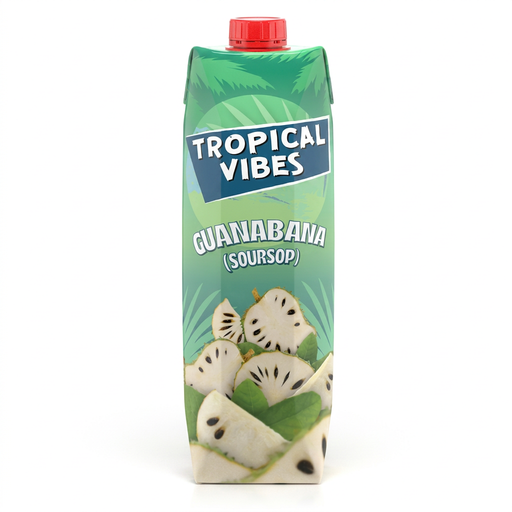
Why This Fits Their Persona: Suits shoppers looking for a Caribbean-style soursop drink with puree texture for breakfast, barbecues or family gatherings.
The stated 12% guanabana puree content gives a clearer indication of the drink’s fruit base than flavour wording alone.
Ready to drink; FSC-certified Tetra Pak packaging is stated in the supplied product information.
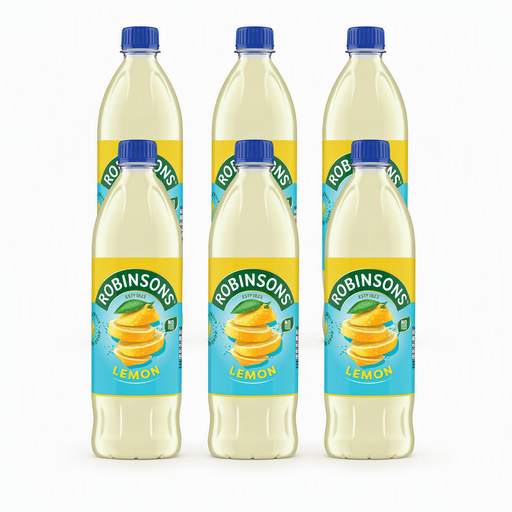
Why This Fits Their Persona: A multipack format for large households, offices, events or anyone who regularly serves dilutable drinks.
The six-bottle format makes total volume transparent, while the supplied details identify the dilution and storage guidance.
Six individual 1-litre bottles; no added sugar; suitable for storing unopened bottles in a cool, dry place.

Why This Fits Their Persona: Suitable for families wanting a tropical alternative to traditional blackcurrant squash without moving to a ready-to-drink carton.
The ingredients specify 10% fruit juices from concentrate, while the nutrition panel lists 0.2g sugars per 100ml undiluted.
Pineapple and passion fruit flavour; Vitamin C listed at 32mg per 100ml undiluted.
We have compiled a complete, real-time list of products that fully satisfy these strict selection criteria and UK safety regulations.
It often can be when prepared according to the recommended dilution ratio, because one bottle may make several litres of drink. However, compare the price per diluted serving rather than the bottle price. Ready-to-drink cartons and cans can be more convenient for packed lunches, travel or events.
Follow the ratio printed on the label. Some products recommend one part concentrate to at least four parts water, while others are designed to be adjusted to taste. Do not drink squash undiluted, and add extra water when serving young children where the label advises this.
Storage periods vary. Several products listed here advise refrigeration after opening, with guidance ranging from around three weeks to four weeks. Ready-to-drink tropical beverages may need to be consumed within three days. Always follow the product label, keep containers sealed and check for changes in appearance, smell or packaging condition.