Parents planning an after-school freezer treat
Compare the number of lollies, the size of each serving and the sugars shown per lolly when deciding how a pack fits your routine.


Choose an ice-lolly multipack by the portion size, ingredients and number of lollies that suit your after-school routine. Small milk-ice lollies offer a smaller individual serving but contain milk; fruit-and-milk twists also contain milk, while a fruit-ice recipe can still carry a milk warning. Compare nutrition per lolly and check the current pack’s allergen statement before choosing.
The useful comparison depends on whether portion size, allergen wording or the number of snacks in the freezer matters most to your household.
Compare the number of lollies, the size of each serving and the sugars shown per lolly when deciding how a pack fits your routine.
Check whether the exact product contains milk, may contain milk or carries a manufacturing warning. A fruit-ice format alone does not settle that question.
Look at the stated serving size alongside the per-lolly nutrition panel. Mini Milk and Twister examples come in different portion sizes, even though both are sold as mini lollies.
Start with the allergen statement, then compare the amount in one lolly and choose a pack count you can store and use.
| Priority | What to check | Your needs |
|---|---|---|
| Allergens | Read the exact pack’s ingredients, contains statements and precautionary warnings. Check them again when buying a familiar product. | If milk must be avoided, I cannot choose on the words “fruit ice” alone. Some fruit-ice listings carry milk warnings. |
| Serving size | Compare the volume or weight of one lolly, then read energy, sugars and saturated fat for that serving. Use the same serving basis across packs. | A smaller individual lolly may fit our snack routine, but I still want to know what its own nutrition panel says. |
| Ingredients and format | Check whether the recipe contains milk, fruit juice or other ingredients you are looking for. Do not use the format as a substitute for allergen information. | We might prefer a creamy twist, a fruit-ice stick or a squeeze tube; the ingredients and warnings matter as much as the shape. |
| Pack and storage | Count the individual lollies, check their size and allow freezer space. Follow the pack’s frozen-storage and thawing instructions. | I want enough for our planned snack occasions without choosing a pack that will be awkward to store. |
Fruit-ice products can carry “may contain milk” wording or a manufacturing warning. Sainsbury’s Rocket listing, for example, says it is not suitable for customers with a milk allergy.
Read the current physical pack’s ingredients and allergen statement rather than substituting one type of lolly for another on appearance alone.
A per-100 ml figure does not tell you how much is in one lolly. The reviewed packs include individual servings from 35 ml to 80 ml.
Compare serving size and nutrition per lolly first, then use per-100 ml figures when you want to examine the products on a common volume basis.
A brand’s nutrition criteria do not establish whether an individual product is suitable for someone avoiding milk or another allergen.
Use the exact lolly’s ingredients, allergen wording, portion size and nutrition panel for the decision.
A larger pack takes more storage space, and some product instructions say not to refreeze lollies once thawed.
Match the count to the snack occasions you expect and check the chosen pack’s storage instructions before ordering.
These examples show how formats and label details differ within the reviewed ranges; a brand name does not replace checking the particular pack.
Mini fruit-ice tubes include five-pack formats for an after-school freezer snack.
Mini Tropical combines fruit-ice and milk-ice elements in a six-pack of 50 ml lollies.
Wall’s milk-ice range includes individually portioned 35 ml lollies.
Its own-brand Ice Pop range includes a six-pack of 73 ml lollies.
Its reviewed ice-lolly formats include an eight-pack of Rocket lollies and a mixed 15-pack.
The reviewed own-brand formats include 35 ml milk lollies and 73 ml orange-juice lollies.
These Joybuy options include fruit-ice bars and tubes alongside a fruit-and-milk mini lolly. Compare each pack’s own serving size and allergen wording rather than treating the formats as interchangeable.
 No image available
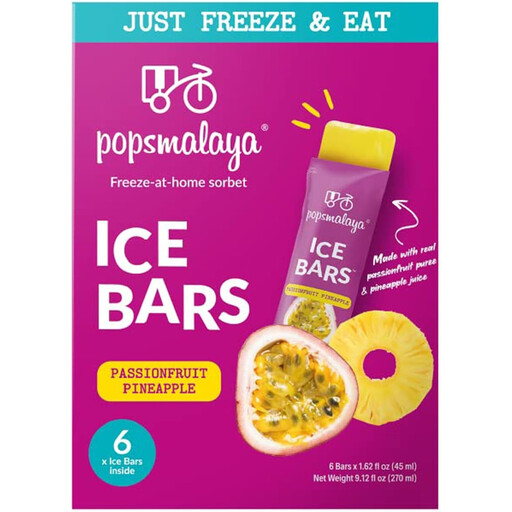
Six individual 45 ml bars provide a fruit-flavoured option for planned freezer snacks. Check the delivered pack’s ingredients and allergen statement if either affects your choice.
 No image available
The four-pack offers individually portioned 70 ml mango sticks. The product information warns that it may contain nuts, eggs, milk and soya; check the current pack before choosing it for anyone who must avoid those allergens.
 No image available
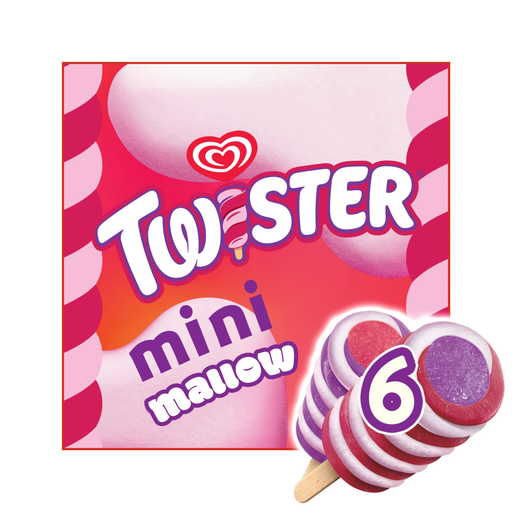
This six-pack suits a routine calling for individual 50 ml fruit-and-milk lollies. It contains milk and may contain almonds, nuts and soya; use the current pack’s allergen wording when deciding whether it is suitable.
 No image available
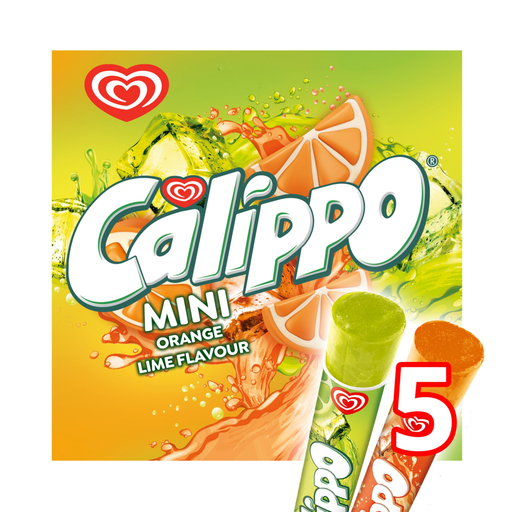
Five 80 ml tubes offer orange and lemon-lime flavours in a squeeze-tube format. Compare the relevant flavour’s per-portion nutrition, and check the delivered pack’s milk-allergen wording before choosing, particularly where milk must be avoided.
 No image available
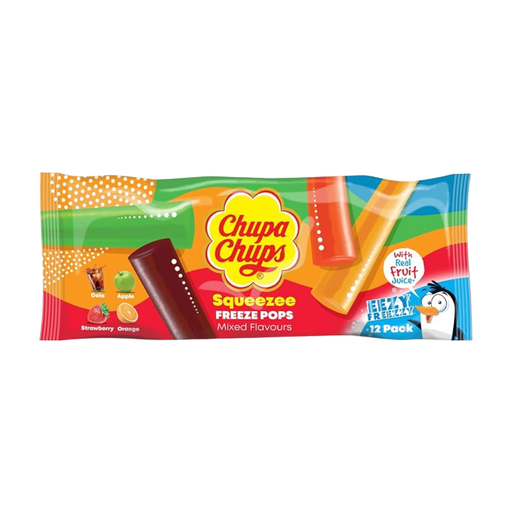
The described 12-pack provides individual 45 ml pops for several snack occasions. Check how the physical pack defines a nutrition serving before comparing figures: the 12-pop description differs from the six servings stated in its nutrition information. Read the delivered pack’s allergen statement as well.
Ice lollies need to stay frozen according to their pack instructions, so an after-school freezer snack is a more practical plan than an ordinary lunchbox. If you are considering one for school, check how it would be kept frozen and follow the school’s packed-lunch policy.
Not on the basis of its fruit-ice description alone. Morrisons lists a Calippo Mini variant as “may contain milk”, ASDA gives the same warning for its Orange Juice Lollies, and Sainsbury’s says its Rocket lollies are not suitable for customers with a milk allergy because of manufacturing methods. Check the exact physical pack’s allergen wording.
Start with per-lolly figures when planning one individual serving, and check its stated size at the same time. Per-100 ml figures can help compare recipes on a common volume basis, but they do not show the amount in lollies of different sizes.
Follow the frozen-storage instructions on the exact pack and make room for it before ordering. The reviewed ASDA and Tesco product instructions include warnings not to refreeze after thawing, so check the wording for the product you choose.