
24/7 Customer Support

Free returns

Same-day & Next-day Delivery

Quality Guaranteed

Unlock Your Welcome Offers: FREE Delivery | Up to 80% OFF | Free 30-day JoyPlus trial
Download the APP
As a Joybuy Product Recommendation Officer, my role is to help you navigate the crowded shelves of your local supermarket or online store. The world of fruit juice & drinks can be particularly confusing, with bright packaging and appealing claims. However, a few common pitfalls can lead to purchases that don't meet your family's needs or your budget. Let's look at what to watch out for.
To make an informed choice, focus on a few key details on the product label. These parameters will tell you exactly what you are getting.
The most important factor is the percentage of actual fruit juice. This determines the flavour, nutritional profile and value for money.
For many households, especially those with children, managing sugar intake is a priority.
How you plan to use the drink should guide your choice of packaging.
Based on these practical considerations, here are a few recommendations tailored to different household needs.
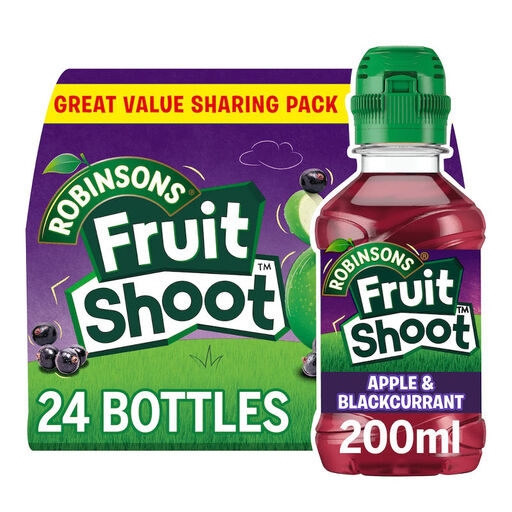
Why This Fits Their Persona: This large juice multipack is designed for parents who need a reliable supply of lunchbox drinks. The 24-bottle format means fewer shopping trips and the spill-proof sports cap is a practical feature for active children.
It is clearly labelled as a 'no added sugar' fruit drink, not 100% juice. This transparency helps parents make an informed choice, avoiding the trap of mistaking it for a high-sugar juice.
The 24-pack offers great convenience for weekly planning. The bottles are recyclable and designed specifically for children's use.
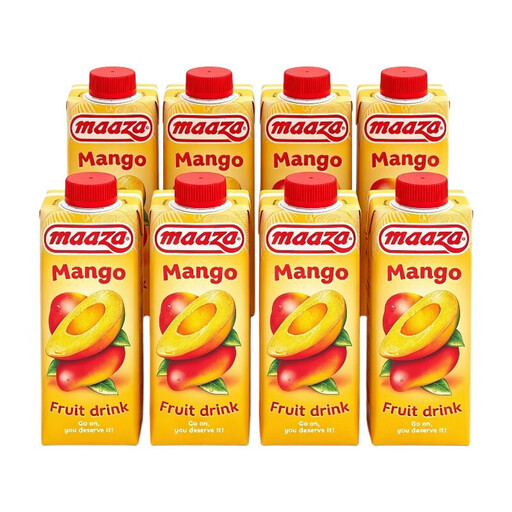
Why This Fits Their Persona: For those craving a rich, tropical juice experience, this mango drink delivers. It's not an everyday health drink but an indulgent treat that brings an authentic, sweet mango flavour, perfect for enjoying on its own or in mocktails.
It is positioned as a 'Mango Drink' with 17% mango puree, not 100% juice. This honesty manages expectations, presenting it as a flavour-focused beverage rather than a pure fruit juice.
Made from Alphonso mango puree, known for its distinctive taste and deep colour. The 8-pack format is convenient for stocking up.
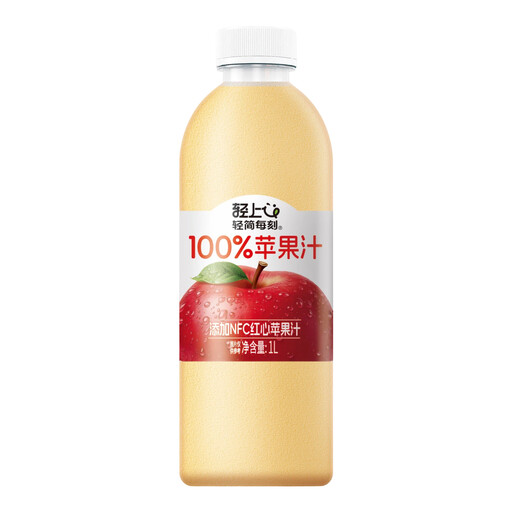
Why This Fits Their Persona: This is a straightforward choice for families wanting pure juice without any additives. The 1-litre carton is ideal for breakfast tables or for keeping a simple, refreshing drink on hand in the fridge.
It directly addresses the 'fruit drink vs. juice' pitfall by clearly stating it is 100% apple juice. The ingredients list is minimal, confirming it is a clean-label product with no hidden extras.
Contains a blend of apple juice from concentrate and not-from-concentrate red-fleshed apple juice for a balanced flavour. It is fat-free and salt-free.
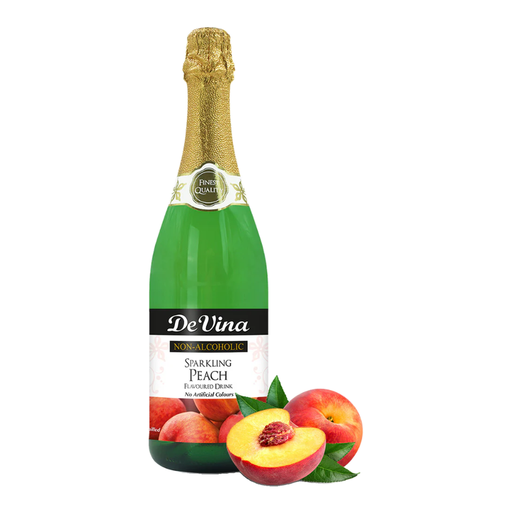
Why This Fits Their Persona: This sparkling fruit drink offers a sophisticated, celebratory feel without alcohol. The elegant 750ml bottle is perfect for sharing at dinner parties, brunches or special occasions, providing a more refined alternative to standard soft drinks.
Its value is clearly in its presentation and use case as a sparkling beverage for social events. It isn't marketed as a health product, so consumers know they are buying it for its flavour and celebratory feel.
A blend of sweet peach juice and lively bubbles creates a balanced and refreshing taste. It is an excellent non-alcoholic option for toasts and celebrations.
We have compiled a complete, real-time list of products that fully satisfy these strict selection criteria and UK safety regulations.
'Not from concentrate' juice is simply pressed from the fruit, pasteurised and bottled. 'From concentrate' juice has its water content evaporated in its country of origin to reduce shipping volume. At its destination, the water is added back before packaging. Nutritionally, there is very little difference between the two, provided nothing else has been added.
Once opened, most fruit juices should be refrigerated and consumed within three to five days. The natural sugars can begin to ferment, affecting the taste and quality. Always check the packaging for specific storage instructions, as some products may have a shorter or longer shelf life after opening.
Drinks with 'no added sugar' can be a useful tool for reducing a child's overall sugar intake, as they use sweeteners for taste instead of sucrose. However, it is still important to encourage water as the primary source of hydration. These drinks are best enjoyed in moderation as part of a balanced diet.