
24/7 Customer Support

Free returns

Same-day & Next-day Delivery

Quality Guaranteed

Unlock Your Welcome Offers: FREE Delivery | Up to 80% OFF | Free 30-day JoyPlus trial
Download the APP
Choosing fruit juice and refreshing drinks can seem straightforward until the label, pack size and storage instructions tell a different story. A colourful bottle may contain less fruit than expected, while a “no added sugar” squash can still use sweeteners. Multipacks may appear economical but create more storage and recycling to manage.
This guide cuts through the main shopping pitfalls, explains which specifications matter and matches different UK households with suitable drink options.
Terms such as juice drink, nectar and squash describe different types of products. A mango juice drink, for example, may contain mango purée alongside water, sugar and acidity regulators. The percentage of fruit is more useful than front-of-pack imagery: the FOCO mango drink listed here contains 25% mango purée, while the FOCO pomegranate nectar contains 30% pomegranate juice.
If you want a more direct fruit profile, compare the quantitative ingredient declaration rather than relying on phrases such as “tropical” or “natural”.
No-added-sugar squash does not necessarily mean there is no sugar at all. Fruit ingredients may contribute naturally occurring sugars, and sweeteners such as aspartame, sucralose or acesulfame K may be used to create sweetness.
For example, Ribena Pineapple and Passion Fruit Squash No Added Sugar lists 0.2g sugars per 100ml before dilution, while Robinsons No Added Sugar Squash Real Fruit Lemon Juice lists 0g sugars per 100ml before dilution. Always check whether the nutrition panel refers to the concentrated product or the prepared drink.
A drinks multipack can suit a family, picnic or gathering, but large bottles need cupboard or fridge space. Once opened, many drinks must be refrigerated and consumed within a stated period. A 1.5-litre aloe vera drink may work well for sharing at home, whereas 300–350ml bottles are easier for packed lunches or travel.
Check the number of bottles, volume per bottle, serving instructions and post-opening storage period before comparing prices.
Read the ingredients list from highest to lowest quantity. Water is often listed first in fruit drinks and squashes, followed by juice, purée, sugar, acids, flavourings or sweeteners.
Useful comparisons include:
Use the nutrition panel per 100ml for a consistent comparison. The products supplied here range from 0.7g sugar per 100ml for the J.ZAO birch sap drink to 12.7g for the FOCO pomegranate nectar.
A low sugar juice or drink may still have a sweet flavour because of sweeteners. People who need to avoid particular ingredients should check warnings such as “contains a source of phenylalanine” on products containing aspartame. For children, also follow the age and choking warnings printed on the packaging.
Ready-to-drink bottles require no preparation, while fruit squash needs dilution and can provide several servings from one bottle. Sparkling fruit drink cases are convenient for parties but should be stored according to the label and served chilled where indicated.
For work, school or gym use, a reusable glass water bottle can reduce reliance on single-use containers. The Bodum MELIOR has a 0.5-litre borosilicate glass body, a silicone sleeve, screw cap and carrying strap. Glass can break, so inspect it regularly and avoid sudden temperature changes.
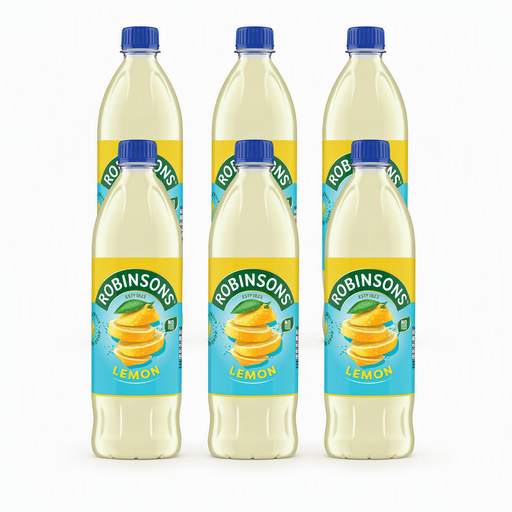
Why This Fits Their Persona: A six-bottle format suits households that regularly prepare diluted drinks at home and want a sharp lemon flavour.
Its label states 10% lemon juice from concentrate and 0g sugars per 100ml before dilution, making the comparison clearer.
Six 1-litre bottles; 3kcal and 0g sugar per 100ml before dilution.
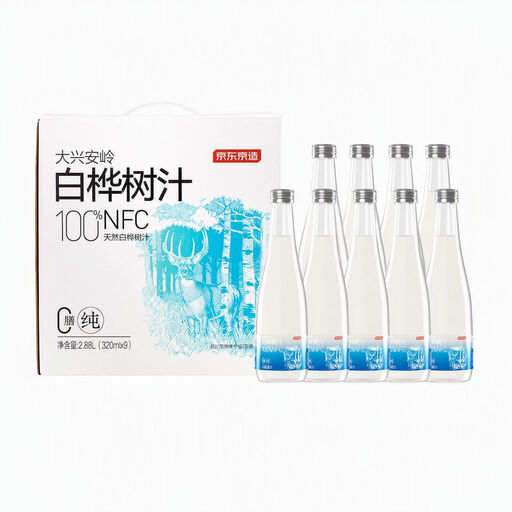
Why This Fits Their Persona: Suits shoppers seeking a simple, ready-to-drink plant beverage with a less conventional flavour profile.
The ingredients list identifies birch sap as 100%, rather than presenting a flavoured drink as a single-ingredient beverage.
Nine 320ml bottles; 5kcal and 0.7g sugar per 100ml.
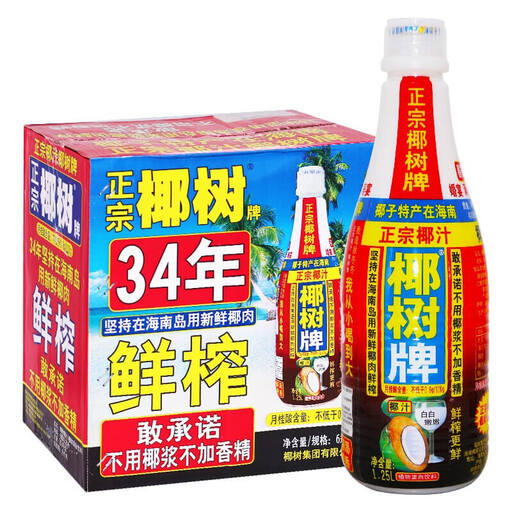
Why This Fits Their Persona: A practical case format for families, barbecues and gatherings where several large bottles are likely to be served.
The 7.5-litre net quantity is clearly stated, and the ingredient panel flags milk from sodium caseinate for allergy checks.
Six 1.25-litre bottles; fresh coconut juice listed in the ingredients.

Why This Fits Their Persona: A compact option for commuting, school, the office or gym when a refillable bottle is more useful than buying individual drinks.
The 0.5-litre capacity, dishwasher-safe components and care warnings are specified, rather than relying on vague durability language.
Borosilicate glass body; silicone sleeve, screw cap and carrying strap.
We have compiled a complete, real-time list of products that fully satisfy these strict selection criteria and UK safety regulations.
For smaller portions, Fruitshoot Orange Low Sugar comes in 8 × 200ml bottles and lists 1.2g sugars per 100ml, with sweeteners included in the ingredients. For tropical flavour, FOCO Mango Juice Drink is available in 350ml formats, while Grace Say Aloe Mango offers a larger 1.5-litre bottle. Other options include pomegranate nectar, apple cider vinegar fruit drink, pineapple and passion fruit squash and a 24-bottle case of bayberry sparkling juice.
Compare the actual fruit percentage, sugar level, allergens and storage instructions before choosing between convenience and value.
It can provide more prepared servings because it is diluted with water, but the final value depends on the recommended dilution, bottle price and how quickly it is consumed. Compare the cost per prepared litre rather than the shelf price alone.
It varies by product. Examples supplied here state three days for Grace Say Aloe Mango and up to four weeks for Robinsons squash. Follow the packaging instructions, refrigerate promptly and do not consume a drink if its seal, appearance or smell seems abnormal.
They can be suitable when carried carefully, but glass is breakable. Choose a bottle with a protective sleeve, keep it away from hard impacts and never use it if cracked or chipped. A 0.5-litre model is easier to fit into many bags, although capacity should match your daily routine.