
24/7 Customer Support

Free returns

Same-day & Next-day Delivery

Quality Guaranteed

Unlock Your Welcome Offers: FREE Delivery | Up to 80% OFF | Free 30-day JoyPlus trial
Download the APP
Fruit juice drinks can make convenient additions to breakfast, packed lunches, office fridges, family meals and social occasions. However, the wording on the front of a bottle does not always tell you how much fruit it contains, how sweet it is or whether the format suits your routine.
The most useful approach is to compare the ingredient list, nutrition panel, pack size and storage instructions before buying. This helps you avoid paying a premium for attractive packaging or choosing a multipack that does not match your household’s needs.
Terms such as “peach drink”, “sparkling fruit drink” and “fruit-flavoured” do not necessarily mean a high fruit content. A drink may contain water, sugar or sweeteners, flavourings and a relatively small amount of juice.
Check the ingredient list and any quantitative ingredient declaration (QUID). For example, a product stating peach juice concentrate at 5% is different from a bottle made with a larger proportion of fruit purée. If you specifically want 100% fruit juice, look for clear wording supported by the ingredients rather than relying on the flavour name.
A drink can contain no added sugar while still providing naturally occurring sugars from fruit. Conversely, some fruit drinks contain added sugar or sweeteners. Compare the “of which sugars” figure per 100ml, then consider the actual serving size.
This is particularly important for family-size juice bottles. A 1L bottle may offer good sharing value, but the total amount consumed can be much greater than a single 250ml or 300ml serving.
Glass bottles can suit meals or afternoon tea but may be less practical for school bags. Cans are easy to chill and distribute at gatherings, while small PET bottles and pouches can work for travel or work breaks.
Also check whether the drink needs refrigeration after opening and how quickly it should be consumed. These details affect value just as much as the shelf price.
Use the ingredient panel to distinguish between:
For international and Asian fruit drinks, look closely at translated labels, fruit percentages and allergen information. Product packaging should be your final reference, particularly if formulations change.
Compare energy, carbohydrate and sugars per 100ml, but do not stop there. Multiply the figure by the bottle or can size to understand the amount in one sitting.
For a lighter everyday option, some shoppers may prefer lower-calorie fruit drinks. For instance, J2O Orange & Passion Fruit Blend lists 19 kcal per 100ml, while the Hankow Er Chang sparkling peach drink lists 39 kcal per 100ml. These figures describe the supplied product information; they are not a general health endorsement.
Choose the format around the way you will use it:
For UK households, consider fridge space, recycling arrangements and whether the product can be safely transported without leaking or losing carbonation.
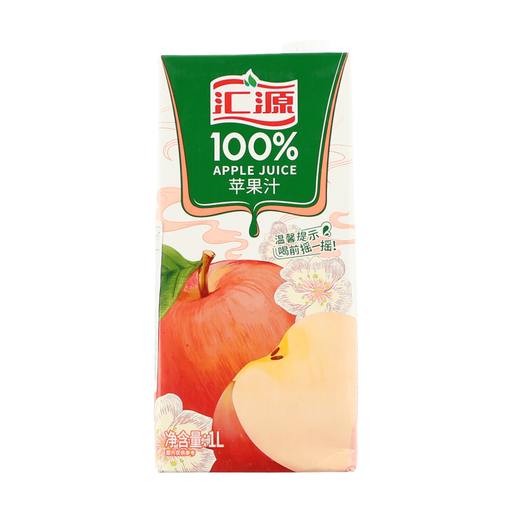
Why This Fits Their Persona: A straightforward 1L format for shoppers wanting apple juice for breakfasts, meals or regular home use without buying several smaller bottles.
The listing identifies it as 100% juice content and names apple juice concentrate in the ingredients, rather than relying only on front-label flavour wording.
1L family format; 41 kcal and 10.2g sugars per 100ml according to the supplied nutrition information.
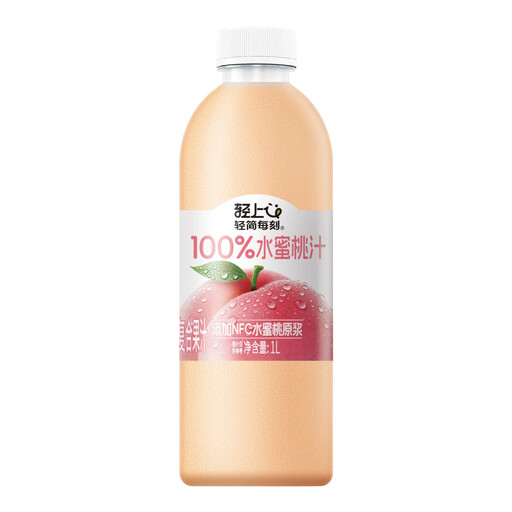
Why This Fits Their Persona: Suits shoppers looking for a fuller peach profile and a larger bottle for serving chilled at home or sharing.
The listing provides QUID figures: 30% peach purée, plus peach and apple juice concentrates. Buyers can assess the formulation instead of assuming “peach” means pure juice.
1L bottle; no added sugar or artificial sweeteners stated in the product details; refrigerate after opening and consume within 24 hours.
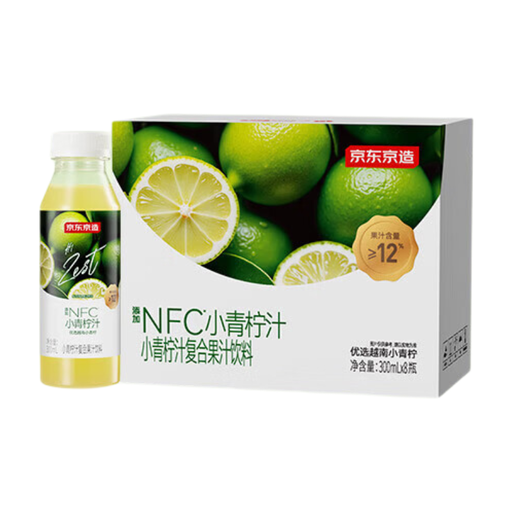
Why This Fits Their Persona: An eight-bottle format for offices, family fridges or shoppers who like lime-based drinks and mixing options.
The listing states NFC lime juice at a minimum of 100g/L and gives the full ingredient list, making the juice component easier to compare.
Eight 300ml bottles; 43 kcal per 100ml and 0g fat in the supplied nutrition information; can be served alone or mixed with sparkling water.
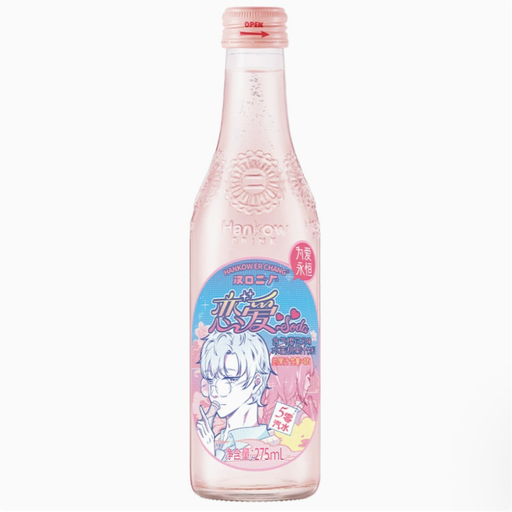
Why This Fits Their Persona: A compact sparkling option for chilled meals, afternoon tea, small gatherings or anyone wanting a peach drink with a floral flavour note.
The product details state 5% peach juice and 5% apple juice, plus sweetener, so the flavour profile and formulation are clear before purchase.
We have compiled a complete, real-time list of products that fully satisfy these strict selection criteria and UK safety regulations.
Single-serve bottles, cans and small cartons are convenient for school or work, but check the sugar, sweetener and allergen information first. Carbonated drinks should be transported carefully, while opened products generally need refrigeration and prompt consumption according to the label.
This varies by product. Some 1L drinks specify refrigeration and consumption within 24 hours, while other products may allow up to three days. Always follow the storage instructions printed on the packaging rather than relying on the unopened best-before date.
They can offer a lower cost per serving, but compare the total volume and the amount you are likely to consume. A fruit juice drink multipack is useful for sharing or regular use, whereas individual bottles may reduce waste when different household members prefer different flavours such as apple juice, orange juice, grape juice or mango juice.