
24/7 Customer Support

Free returns

Same-day & Next-day Delivery

Quality Guaranteed

Unlock Your Welcome Offers: FREE Delivery | Up to 80% OFF | Free 30-day JoyPlus trial
Download the APP
Fruit juice drinks can look similar on the shelf, yet the contents, serving size and storage requirements may differ considerably. A 1L carton of ready-to-drink juice is not the same as a 1L bottle of squash, while a “no added sugar” label does not necessarily mean the drink contains no sweeteners.
For UK households, the right choice depends on how the drink will be used: lunchboxes, family meals, occasional refreshment or cooking. Before buying, check the following common pitfalls.
A fruit juice concentrate or squash needs dilution before consumption. Comparing its bottle size directly with a ready-to-drink juice can give a misleading impression of value. Check the recommended dilution ratio and calculate how many servings the bottle provides.
A no added sugar squash may still contain naturally occurring sugars from fruit. Some products also use sweeteners such as sucralose, aspartame, acesulfame K or saccharin. Read the ingredient list, nutrition panel and allergy information, particularly when buying children’s juice drinks.
Family drinks multipacks can be convenient, but individual bottles may have different opening instructions and refrigeration periods. Some ready-to-drink products should be consumed within a few days after opening, while concentrated squash can last longer when refrigerated. Always follow the packaging rather than assuming all juice drinks have the same shelf life.
Decide whether you need ready-to-drink juice, a concentrated fruit squash or a cooking ingredient. Small bottles such as 200–280ml are suitable for individual use, whereas a 1L fruit juice carton or bottle is more practical for meals and shared use.
For squash, check the stated dilution guidance. Ribena concentrated blackcurrant products, for example, advise mixing one part squash with at least four parts water. Diluting more heavily may be appropriate for younger children, but the product label should remain the primary reference.
Compare nutrition values per 100ml and, where available, per serving. This matters because some labels show undiluted values while others show diluted values. A tropical juice drink containing sugar may provide around 40–50 kcal per 100ml, while a no added sugar squash can contain only a few calories once diluted.
Also check for phenylalanine warnings where aspartame is used, and sulphites where sodium metabisulphite or sulphur dioxide appears in the ingredients. These details are more useful than front-of-pack flavour claims when choosing for a household.
The fruit percentage helps explain the product’s character, but it should not be treated as a guarantee of taste. A mango juice drink may contain mango purée plus citrus juice, while an orange juice drink may contain orange juice from concentrate alongside apple or carrot concentrates.
For cooking, look for a product clearly sold as lemon juice concentrate rather than a sweetened lemon squash. For an indulgent texture, a nectar such as a white peach and mixed fruit drink may contain purée and thickener, resulting in a fuller consistency than a standard juice drink.

Why This Fits Their Persona: A 1L bottle gives new squash buyers a practical format for everyday drinks, with a sharp lemon flavour that can be adjusted by dilution.
The listing identifies 10% lemon juice from concentrate and no added sugar, helping shoppers distinguish it from sweetened ready-to-drink juice.
No added sugar; 1L bottle; suitable for dilution to personal taste. Contains sweeteners and a source of phenylalanine.
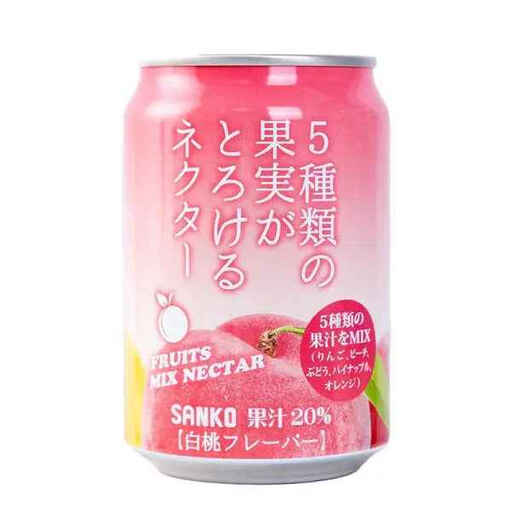
Why This Fits Their Persona: This Japanese fruit beverage suits shoppers seeking a smaller, distinctive drink with a thicker nectar texture and white peach-led flavour.
The 280ml size makes portion planning clearer than buying a large carton for occasional use. It is ready to drink and should be shaken before opening.
Contains peach, apple and orange fruit ingredients; convenient 280ml format; ready to drink chilled.
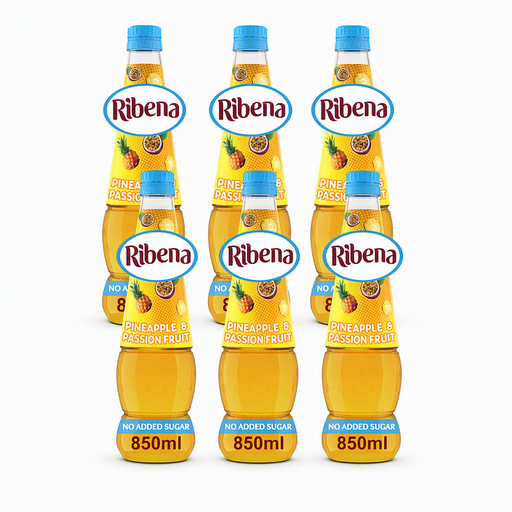
Why This Fits Their Persona: The six-bottle multipack is designed for households that regularly serve tropical-flavoured drinks at meals, gatherings or outdoor occasions.
The multipack makes the total quantity explicit, while the no added sugar description is accompanied by ingredient and sweetener information.
Six 850ml bottles; pineapple and passion fruit flavour; listed vitamin C content of 32mg per 100ml. Contains sulphites and a source of phenylalanine.
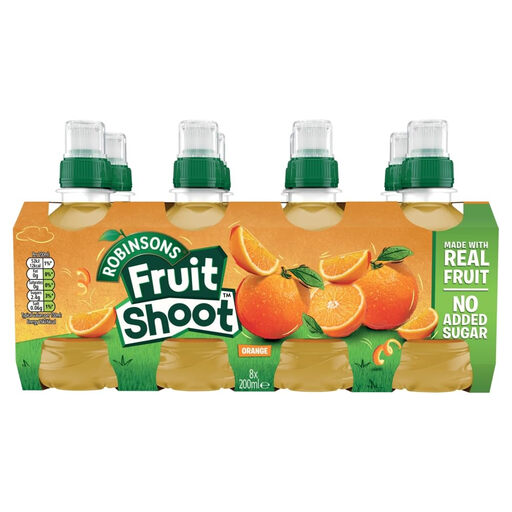
Why This Fits Their Persona: Individually sized bottles are convenient for packed lunches, trips and children’s activities where a large carton is impractical.
The 200ml serving size is clear, and the listing states the low energy value. Check the cap warning and age guidance before giving it to younger children.
Eight 200ml bottles; orange juice from concentrate; 6 kcal per 100ml. Contains sweeteners and has a small-parts choking warning.
We have compiled a complete, real-time list of products that fully satisfy these strict selection criteria and UK safety regulations.
Check the individual product guidance, serving size, sugar content, sweeteners and age warnings. Some drinks are supplied in child-sized bottles, but that does not automatically make them suitable for every age. Plain water should also remain available as part of normal hydration.
This varies by product. Several concentrated drinks specify refrigeration after opening and consumption within around three to four weeks, while ready-to-drink bottles may need to be consumed within a few days. Follow the storage instructions printed on the product packaging.
Not always. A 1L bottle may have a lower purchase price, but a multipack can offer individually portioned servings and reduce the need to open a large container repeatedly. Compare the price per litre, the stated number of servings and the post-opening storage period before deciding.