
24/7 Customer Support

Free returns

Same-day & Next-day Delivery

Quality Guaranteed

Unlock Your Welcome Offers: FREE Delivery | Up to 80% OFF | Free 30-day JoyPlus trial
Download the APP
Fruit juice drinks can be convenient for breakfast, lunchboxes, post-workout refreshment or entertaining guests. However, attractive packaging and phrases such as “natural”, “refreshing” and “made with real fruit” do not always tell you how much juice, sugar or added flavouring a drink contains.
As the Joybuy Product Recommendation Officer, my role is to filter out vague marketing language and focus on the details that affect value, taste and everyday suitability.
“Fruit drink”, “juice drink” and “juice” can describe different formulations. A beverage may contain fruit juice, purée or concentrate alongside water, sugar, acidity regulators and flavourings. For example, FOCO Lychee Juice contains 25% lychee juice, while the Tropical Vibes Guava Banana drink contains 15% guava pulp and 10% banana purée.
This is not necessarily a disadvantage. A lower juice percentage may create a lighter, sweeter or more consistent flavour. The important point is to compare the quantitative ingredient declaration, rather than relying on the fruit image on the front of the pack.
A small can or carton can appear modest, but several servings may be consumed during a day. Compare nutrition information per 100ml and then calculate the amount in the full bottle or carton.
For reference:
A drink with less sugar may taste less sweet, while a tropical fruit blend may be richer and more filling. Choose according to the occasion instead of assuming that “fruit-based” means low in sugar.
Bulk juice drinks and a soft drinks multipack can offer convenience, but storage matters. Unopened cartons and bottles usually require a cool, dry place away from direct sunlight and heat. Once opened, most products need refrigeration and prompt consumption.
Vita Coco coconut water products generally advise refrigeration after opening, with consumption within 24 to 48 hours depending on the format. Tropical Vibes Guava Banana cartons advise consuming an opened carton within three days. Always follow the date and instructions printed on the packaging supplied to you.
Look for the percentage of juice, purée or aloe vera gel. This helps you predict flavour intensity and texture:
If you prefer a drink with a pronounced fruit texture, check for pulp or gel in the ingredient list. If you want a lighter refreshment, a clear juice drink or sparkling fruit drink may be more suitable.
Compare energy, carbohydrate and sugars per 100ml, then consider the pack size. A 330ml carton, 500ml bottle and 1-litre carton create very different total intakes even when their per-100ml figures are similar.
Coconut water can be an option for shoppers who want a lighter-tasting beverage. The listed Vita Coco Natural Coconut Water contains 19 kcal per 100ml and provides potassium. These are nutritional values, not a medical or therapeutic endorsement, so it should still be enjoyed as part of a varied, balanced diet.
“Vegan drinks” and “gluten-free drinks” should be checked against the product label, particularly when buying for several people. Ingredients and manufacturing information can change, so read the current packaging before serving anyone with an allergy or intolerance.
For example, the Vimto Original multipack lists barley as an allergen, making it unsuitable for people avoiding gluten unless the product label confirms otherwise. OKF Aloe Vera Juice Peach also states that it contains aloe vera and may contain sulphites, alongside specific consumption warnings. Do not treat a dietary label as a substitute for checking the full ingredients list.
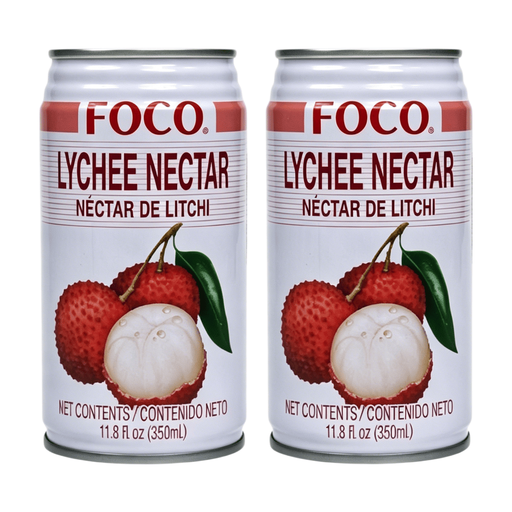
Why This Fits Their Persona: The two-piece format lets students, couples and first-time shoppers try a lychee drink without committing to a large case.
The listed 25% lychee juice content makes the formulation clearer than relying on front-of-pack fruit imagery alone.
350ml ready-to-drink bottles; listed as free from major allergens and suitable for vegan shoppers.
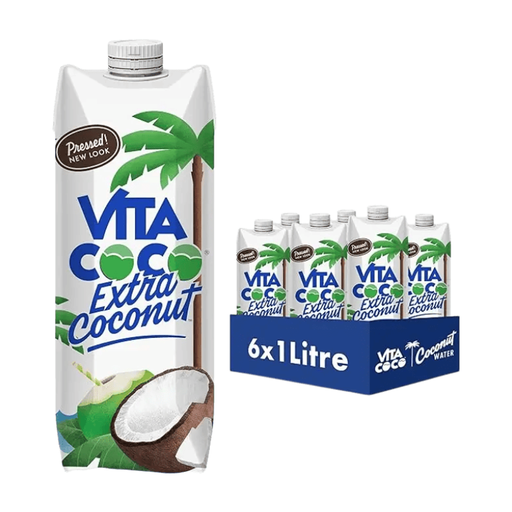
Why This Fits Their Persona: A six-litre case suits households wanting a consistent tropical drink for breakfast, smoothies or chilled serving.
The ingredients specify coconut water concentrate, coconut purée and added vitamin C, giving a clearer picture of its creamy profile.
Six 1-litre cartons; listed as gluten-free, fat-free and suitable for vegetarians and vegans.
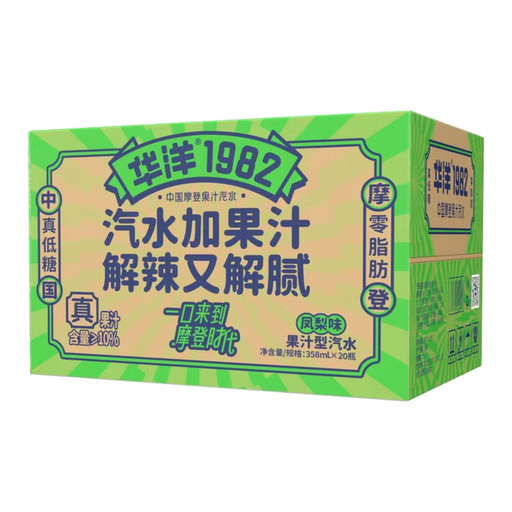
Why This Fits Their Persona: The 20-bottle case is practical for offices, parties, restaurants and households that regularly serve individual refreshments.
The pack states its 16 kcal per 100ml value and lists pineapple, apple and pear juice concentrates alongside sweeteners and additives.
20 glass bottles of 358ml; sparkling format suited to chilled social serving and meal pairings.
We have compiled a complete, real-time list of products that fully satisfy these strict selection criteria and UK safety regulations.
They can form part of a varied diet, but recipes differ considerably. Check the label for juice percentage, sugar and serving size. Alternating sweetened drinks with water or unsweetened options can help manage overall sugar intake.
This depends on the product. Many require refrigeration and should be consumed within 24 to 48 hours, while some cartons allow up to three days. Follow the manufacturer’s instructions on the current packaging.
Some are listed as vegan-friendly or free from major allergens, but not all. Vimto Original, for instance, lists barley. Always read the ingredients and allergen statement, particularly when buying for children, guests or anyone with a diagnosed allergy.