
24/7 Customer Support

Free returns

Same-day & Next-day Delivery

Quality Guaranteed

Unlock Your Welcome Offers: FREE Delivery | Up to 80% OFF | Free 30-day JoyPlus trial
Download the APP
Choosing fruit juice drinks is not always as simple as picking a flavour. A bright tropical label may contain more added sugar than expected, while a “no added sugar” drink may still contain naturally occurring sugars or sweeteners. Pack size, storage and allergy information can also make a noticeable difference to value and convenience.
Whether you are shopping for lunch boxes, family meals, parties or alcohol-free alternatives, the following checks can help you avoid common buying mistakes.
Fruit juice drinks, blends and squashes are different from pure juice. A product may contain a relatively small percentage of fruit juice or purée, with water, sugar, sweeteners, acids and flavourings making up the remainder.
For example, Tropical Vibes Guanabana contains 12% guanabana purée, while Sunpride Tropical Juice Drink contains 10% fruit juices from concentrate. These can still provide enjoyable fruit flavours, but the product description and ingredient list should set realistic expectations.
A no added sugar juice drink can contain naturally occurring sugars from fruit. Some products use sweeteners to reduce energy content, so check both the ingredients list and the nutrition panel per 100ml.
Fruit Shoot Black & Apple No Added Sugar lists 0.7g of sugars and 4kcal per 100ml, while Appletiser contains 10.5g of sugars and 47kcal per 100ml because it is made from carbonated apple juice. Neither label tells the whole story on its own.
A 1.5-litre bottle may offer better value for family use, but it needs refrigeration after opening and may need to be consumed within a stated period. Individual cans, pouches and small bottles are convenient for lunch boxes or gatherings, but the cost per litre may be higher.
Also check age warnings. Several children's juice drinks include small parts or straws and are not suitable for children under three. Always follow the packaging instructions.
Read the ingredients from highest to lowest quantity. Look for:
A no added sugar juice drink may suit shoppers looking to reduce sugar intake, but it may have a different taste profile because of sweeteners. Squash must also be diluted according to the label. Ribena concentrates, for example, recommend one part squash to at least four parts water.
For regular family consumption, concentrates and larger cartons can reduce repeated shopping trips. Smaller ready-to-drink fruit beverages are easier to portion and store for outings.
Consider:
Once opened, follow refrigeration and consumption guidance. Some drinks should be used within 24–48 hours, while others allow several days or weeks.
Many vegan fruit drinks are clearly marked, but recipes can vary between products and pack formats. Check the current label rather than relying only on a product title.
Pay close attention to:
Coconut water, aloe vera juice and international drinks such as soursop juice, tamarind juice and sugarcane drinks may have distinctive ingredients and textures. These are worth checking before buying in larger quantities.

Why This Fits Their Persona: The concentrate format is practical for family meals, allowing shoppers to dilute servings as needed and store one bottle in the cupboard before opening.
The label states no added sugar and 2kcal per 100ml diluted serving, while also identifying sweeteners and sulphites for shoppers who need to check them.
1L bottle, summer fruit flavour, suitable for vegan and vegetarian shoppers according to the supplied product details.

Why This Fits Their Persona: Its 250ml cans and gentle carbonation suit dinner parties, lunches and occasions where an alcohol-free sparkling fruit drink is preferable.
The product states 100% carbonated apple juice from concentrate, making the fruit base clear rather than relying on a vague fruit-flavoured description.
Six 250ml cans, lightly sparkling format and no added preservatives listed in the supplied details.
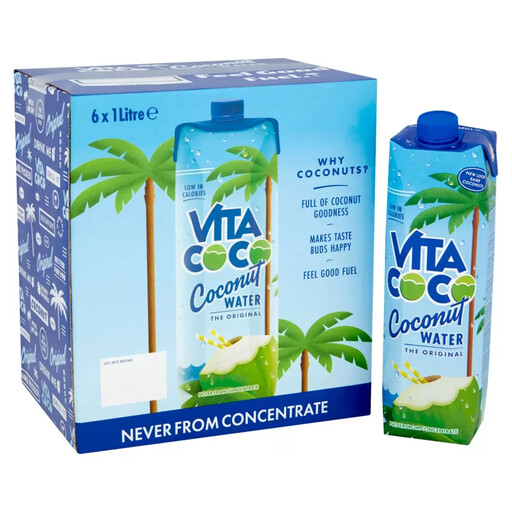
Why This Fits Their Persona: The six 1L packs are suited to households that regularly buy coconut water for chilled drinks, smoothies or shared meals.
The ingredient list identifies coconut water at 99%, with less than 1% fruit sugar and vitamin C, rather than presenting a multi-fruit blend as plain coconut water.
Six 1L cartons, 19kcal per 100ml and 185mg potassium per 100ml as listed on the supplied nutrition panel.
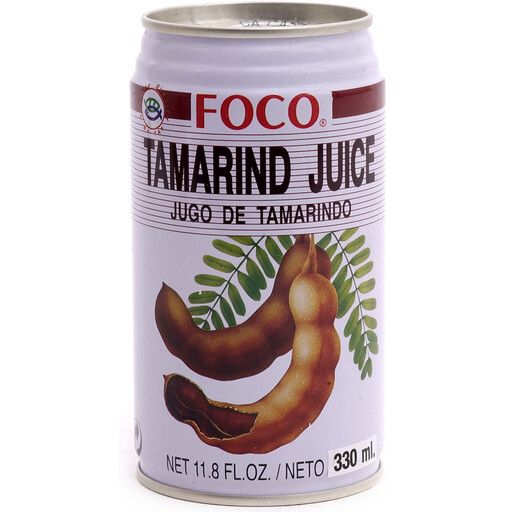
Why This Fits Their Persona: This ready-to-drink 330ml can offers a convenient way to try a distinctive international fruit flavour without committing to a large carton.
The label specifies 18% tamarind pulp and identifies sugar and high-fructose syrup, so shoppers can assess sweetness before ordering.
330ml can, ready to drink and produced in Thailand according to the supplied product information.
We have compiled a complete, real-time list of products that fully satisfy these strict selection criteria and UK safety regulations.
Small pouches and cans can be convenient for lunch boxes, but check the age guidance, straw warnings and sugar content. For children under three, follow the specific packaging warnings. Water and milk may also be suitable everyday options depending on personal preferences and dietary needs.
It depends on the product. Some coconut water should be refrigerated and consumed within 24–48 hours, while other cartons or bottles state three to four days. Concentrates may last longer when refrigerated, but always follow the storage instructions and use-by or best-before information on the packaging.
Squash can provide more servings from one bottle because it is diluted with water. To compare value fairly, calculate the cost per prepared litre rather than comparing bottle prices alone. Also account for refrigeration, storage space and whether the household will finish the bottle before its recommended consumption period.