
24/7 Customer Support

Free returns

Same-day & Next-day Delivery

Quality Guaranteed

Unlock Your Welcome Offers: FREE Delivery | Up to 80% OFF | Free 30-day JoyPlus trial
Download the APP
Buying fruit juice and soft drinks multipacks can make household shopping easier, but a larger case is not automatically better value. UK shoppers often find that attractive packaging hides a low fruit percentage, unexpectedly high sugar content or a format that does not suit the occasion.
Whether you need family drinks, drinks for lunchboxes, office refreshments or drinks for parties, check the product details before adding a multipack to your basket.
The words “tropical”, “fruit” and “natural” can appear prominently on the front of a pack. However, the ingredients list may show that the drink contains only a small quantity of fruit juice, alongside water, sugar, sweeteners, flavourings or acidity regulators.
For example, some tropical fruit drinks contain around 25% mango or lychee juice, while a product labelled as 100% apple juice has a different composition. Neither format is automatically suitable for every household, but they offer different tastes and nutritional profiles.
Check:
A case of 24 cans may look economical, but a six-bottle multipack in a larger format could provide more drink overall. Compare the total litres, not just the number of containers or the headline price.
Single-serve cans and pouches can be practical for lunchboxes and parties, while 1-litre cartons and bottles may create less packaging per litre for family use. Also consider how quickly the drink will be consumed after opening. A large bottle may offer value, but it needs refrigeration once opened and may not suit occasional users.
Ambient-stable products are convenient for cupboards, but opened drinks may require refrigeration. Some products should be consumed immediately after opening, while others should be used within 24 to 72 hours.
Parents should also check age warnings, serving formats and ingredients. For instance, drinks containing caffeine are not suitable for children, and some drinks with nata de coco pieces may require additional care for younger consumers. Always read the current packaging before purchase, particularly if allergies or dietary restrictions apply.
The main categories include:
A product with a lower calorie value may still contain sweeteners, while a 100% juice product can contain naturally occurring sugars. The ingredients and nutrition panel provide a more useful comparison than front-of-pack phrases.
For UK households, consider where the drinks will be used:
Check whether the package is recyclable through your local council and avoid freezing pressurised cans or carbonated bottles.
Read the full label for sulphites, sweeteners, preservatives and caffeine. Some products are suitable for vegetarians or vegans, but this should be confirmed on the packaging rather than assumed.
Nutritional values can vary considerably. For example, the supplied product information lists 19 kcal per 100ml for several coconut water and lighter fruit drink options, while a sour plum drink lists 45 kcal per 100ml and a nata de coco watermelon drink lists 55 kcal per 100ml. Serving size matters: a 330ml can contains more than three times the amount shown per 100ml.
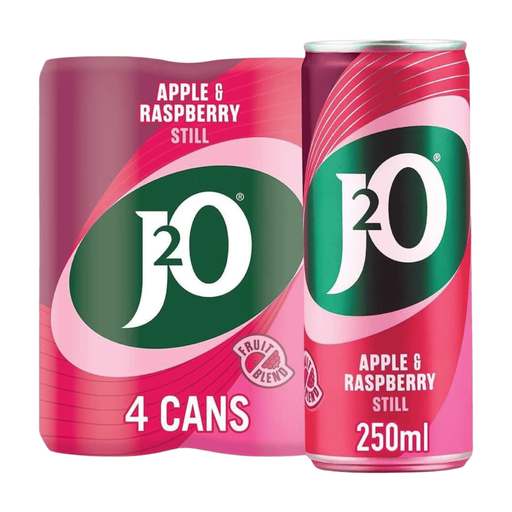
Why This Fits Their Persona: A four-can format provides a manageable way to try a fruit blend without committing to a large case, making it suitable for smaller households and occasional gatherings.
The 250ml can size makes serving volume clear, while the ingredient list identifies apple juice at 22% and raspberry at 2%.
Four single-serve cans; 19 kcal per 100ml according to the supplied nutrition information.
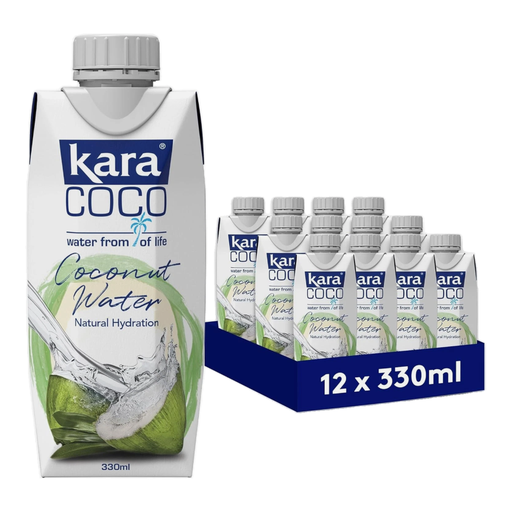
Why This Fits Their Persona: Individual cartons suit shoppers who prefer a simple ingredient list and chilled, ready-to-drink coconut water for home, work or after leisure activities.
The supplied ingredients list states coconut water at 100%, with no added sugar, preservatives or artificial flavours.
Twelve 330ml units; 19 kcal per 100ml and 0g fat in the supplied nutrition panel.
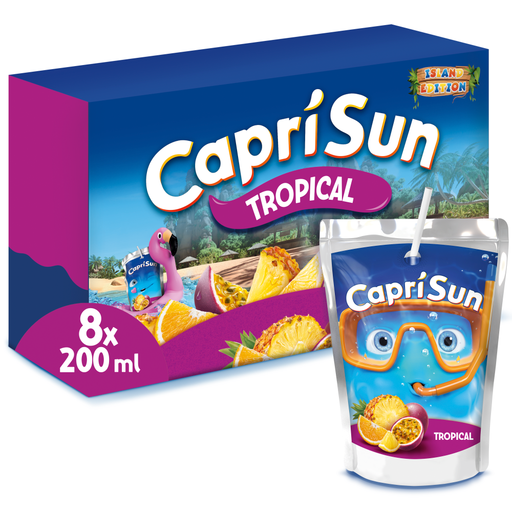
Why This Fits Their Persona: The pouch format is convenient for lunchboxes, picnics and children’s outings, provided the age and straw safety information is followed.
The pack clearly states 10% fruit juice from concentrate and 19 kcal per 100ml, avoiding confusion with 100% juice.
Eight 200ml pouches; no artificial colours or preservatives listed in the supplied product details.
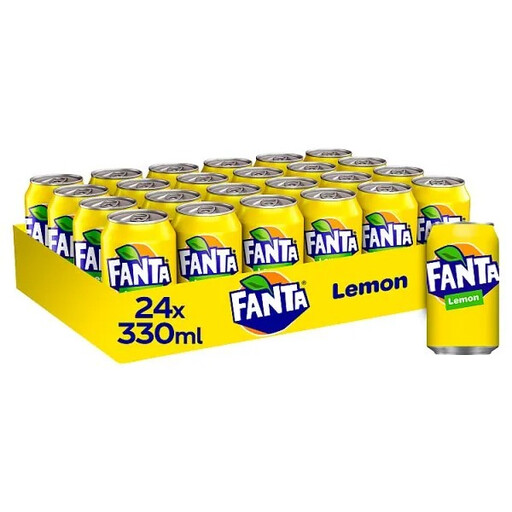
Why This Fits Their Persona: A 24-can case is practical for parties, shared fridges, office kitchens and households that regularly serve sparkling soft drinks.
The pack information identifies 5% lemon juice from concentrate and 15g sugar per 330ml can, allowing a clear serving comparison.
Twenty-four 330ml cans; carbonated format suitable for chilled serving and mixers.
We have compiled a complete, real-time list of products that fully satisfy these strict selection criteria and UK safety regulations.
They can offer a lower price per unit, but this depends on the total volume, promotion and delivery cost. Divide the total price by the number of litres to compare accurately. Also consider waste: a large case is not economical if some cans pass their best-before date unused.
Small pouches, cartons and cans are generally easier to portion than large bottles. Check age guidance, straw warnings, caffeine content and the sugar or sweetener information. Capri-Sun Tropical, for example, is supplied in 200ml pouches and includes a warning that it is not suitable for children under three.
Follow the product label. Many opened juice drinks and coconut water products should be refrigerated and consumed within one to three days. Carbonated drinks should be resealed where possible, while products containing jelly pieces should be refrigerated after opening and consumed within the stated period. Always check the packaging for the current storage instructions.