
24/7 Customer Support

Free returns

Same-day & Next-day Delivery

Quality Guaranteed

Unlock Your Welcome Offers: FREE Delivery | Up to 80% OFF | Free 30-day JoyPlus trial
Download the APP
Buying fruit juice and squash drinks online can look straightforward, but attractive front-of-pack claims do not always tell you how a drink will fit your routine. A family-size bottle may offer good value but require refrigeration soon after opening, while a small ready-to-drink juice may be convenient but cost more per serving.
The practical choice depends on fruit content, sugar information, dilution instructions, pack size and storage requirements. Here is how to compare fruit drinks without being distracted by vague marketing language.
A no added sugar squash does not necessarily contain no sugar. Fruit juice or fruit concentrate can contribute naturally occurring sugars. Sweeteners may also be used to provide sweetness without adding sucrose.
Check the nutrition table rather than relying only on the front label. Compare:
For example, some blackcurrant squash products list zero or negligible sugars when diluted, but still contain sweeteners and specific allergen warnings.
Fruit juice, nectar, squash and fruit-flavoured drinks have different formulations. A product may contain juice from concentrate, not-from-concentrate purée, added water, sugar or other fruit ingredients.
Look for the quantitative ingredient declaration, such as “mango purée 30%” or “blackcurrant juice from concentrate 18%”. This gives a clearer indication of the recipe than phrases such as “rich fruit flavour”.
A 1L family bottle can be economical for meals, but it may need to be refrigerated and consumed within a stated period after opening. Small bottles and cans are easier for packed lunches or work bags, although the cost per 100ml may be higher.
Also check whether the product must be diluted. Concentrated fruit squash should not normally be consumed undiluted, and the label may recommend extra water for toddlers.
Decide whether you want a ready-to-drink juice, a juice concentrate or a fruit squash. Ready-to-drink options require no preparation and suit breakfasts, picnics and quick refreshments. Squash is mixed with water, so one bottle can provide multiple servings.
For distinctive flavours, tropical fruit juice options include guava, mango and pomegranate. Asian fruit drinks may use ingredients such as nata de coco, aloe vera gel or less familiar fruit varieties, creating a different texture as well as taste.
Compare nutrition per 100ml on a like-for-like basis. A drink that appears low in calories may be designed to be diluted, so its undiluted figures are not directly comparable with a ready-to-drink product.
If you are looking for low-calorie drinks or no added sugar squash, read the full ingredients list. Sweeteners, preservatives and sulphites can be relevant to household preferences or allergy management. Products containing sulphites or a source of phenylalanine should be checked carefully against the label before serving.
Choose the format that matches how quickly your household drinks juice:
Always follow the storage instructions printed on the packaging. Refrigerate opened products where required, and do not use damaged, leaking or unusually discoloured packaging.

Why This Suits Their Persona: The 1.5L bottle and dilution format suit households looking for an everyday blackcurrant squash for family meals and regular hydration.
The listing states the 1:4 dilution guidance, 18% blackcurrant juice from concentrate and no added sugar, helping shoppers compare the actual recipe.
Concentrated format; nutrition lists 18kcal per 100ml and vitamin C at 32mg per 100ml.
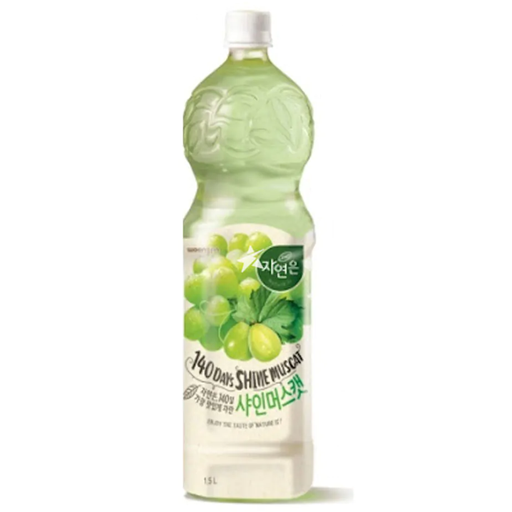
Why This Suits Their Persona: This Korean fruit drink offers a larger format and a distinctive grape-style flavour for shoppers exploring something beyond standard orange juice or squash.
The ingredient list identifies sugar, aloe vera gel, grapefruit concentrate and the flavouring components instead of presenting the drink as a single-fruit juice.
1.5L bottle; listed energy is 46kcal per 100ml and the product is made in Korea.

Why This Suits Their Persona: The concentrate format works for busy families serving several glasses across the day, from packed lunches to evening meals.
The listing gives the diluted energy figure of 2kcal per 100ml and identifies sweeteners, preservatives and sulphites for a more informed comparison.
No added sugar; vegan and vegetarian-friendly according to the product information.
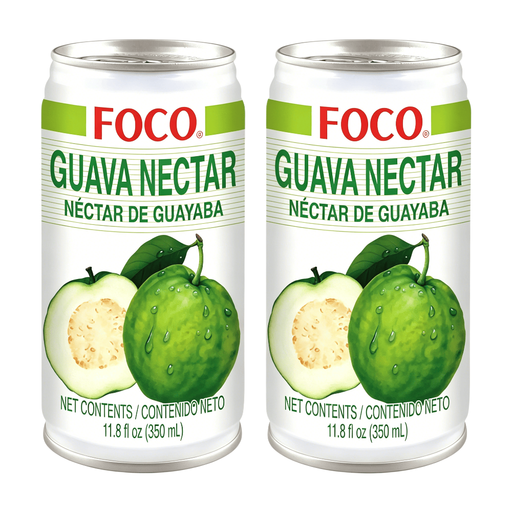
Why This Suits Their Persona: The two 350ml bottles are convenient for individual servings, picnics or anyone wanting a tropical fruit juice without opening a large bottle.
The product information states 15–25% guava purée depending on the variant, alongside water, sugar and acidity regulator, so it is clearly presented as a guava drink rather than assumed to be pure juice.
350ml individual format; listed energy ranges from 40–58kcal per 100ml and the product information states vegan-friendly suitability.
We have compiled a complete, real-time list of products that fully satisfy these strict selection criteria and UK safety regulations.
It can be, particularly for households serving several glasses. Squash is diluted with water, so the bottle may provide more servings than its stated volume. Compare the recommended dilution, price per bottle and price per prepared litre rather than comparing bottle size alone.
The answer varies by product. Some opened squashes should be refrigerated and consumed within several weeks, while ready-to-drink juices may need to be used within 24 hours or a few days. Follow the specific packaging instructions and refrigerate promptly where stated.
Several products in this category are labelled vegan-friendly or contain no listed animal-derived ingredients, including selected fruit squashes and tropical drinks. However, formulations can change, so check the current packaging and allergen information before purchase.