
24/7 Customer Support

Free returns

Same-day & Next-day Delivery

Quality Guaranteed

Unlock Your Welcome Offers: FREE Delivery | Up to 80% OFF | Free 30-day JoyPlus trial
Download the APP
Navigating the drinks aisle can be more complicated than it seems. Labels promising "natural goodness" and "real fruit" can sometimes obscure what is actually inside the bottle or carton. As a health-conscious shopper or a parent packing a lunchbox, you want to make the right choice without falling into common marketing traps. This guide is designed to help you understand the key factors in selecting fruit juice and drinks, ensuring you get the refreshment and quality you expect.
Many of us have been caught out by appealing packaging, only to be disappointed by the contents. Before you add a new drink to your basket, be aware of these frequent pitfalls:
To make an informed decision, focus on these three non-negotiable parameters. They provide a clear picture of what you are actually purchasing.
The most important factor is the juice content percentage. This tells you how much real fruit is in your drink. In the UK, the classifications are generally:
Scrutinise the ingredients list for added sugars like high-fructose corn syrup, glucose-fructose syrup or sucrose. If you are looking for natural fruit drinks no sugar, the ingredients list should be short and simple, ideally just fruit and water. For those seeking a lighter option, a low calorie fruit tea made with natural sweeteners like stevia (E960) can be an excellent choice. Always check the energy value (kJ/kcal) per 100ml to compare products accurately.
Consider how and when you will be drinking the beverage.
To help you find the right fit, we have matched some popular options to different lifestyle needs.
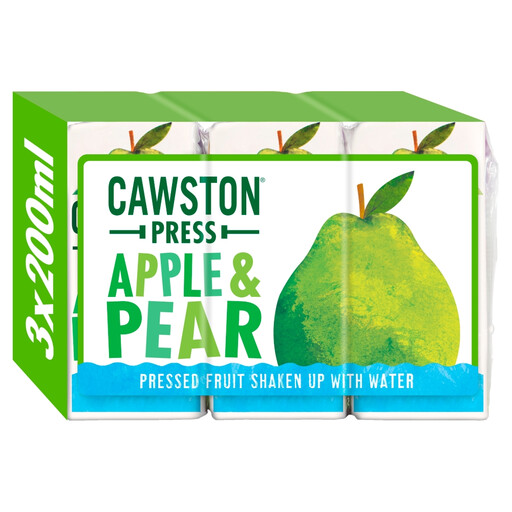
Why This Fits Their Persona: This is a practical choice for parents packing school lunches or planning family outings. It is explicitly "School Approved" in the UK, providing peace of mind. The blend of pressed juice and water offers a fruity taste that children enjoy, but with a lower sugar content than pure juice.
It directly counters the "fruit drink" illusion by clearly stating its composition: 60% pressed juice and 40% water. There are no hidden sugars, artificial sweeteners or preservatives.
Made with pressed juice (not from concentrate) and comes in recyclable cartons with paper straws. Contains no added sugar.
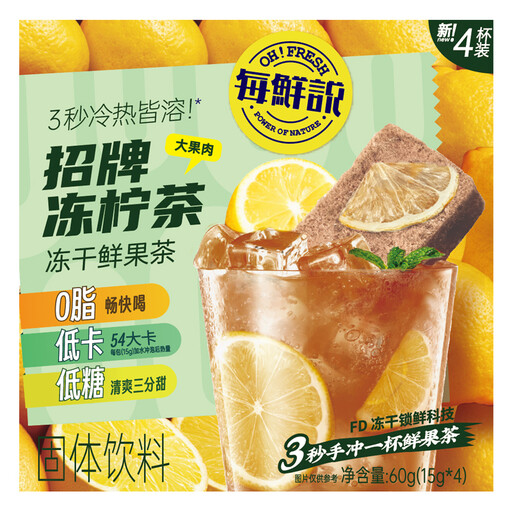
Why This Fits Their Persona: For those needing a quick and refreshing drink at their desk without the sugar crash, this instant tea is ideal. The freeze-dried cube format is mess-free and dissolves quickly in water, making it a perfect companion for a busy workday.
It avoids the high-sugar trap of many instant drinks by using a natural, zero-calorie sweetener (stevia). The calorie count is very low (18 kcal per 100g prepared), making it a light option.
Made with real freeze-dried lemon and calamansi for an authentic tangy flavour. Extremely convenient format for office or travel.
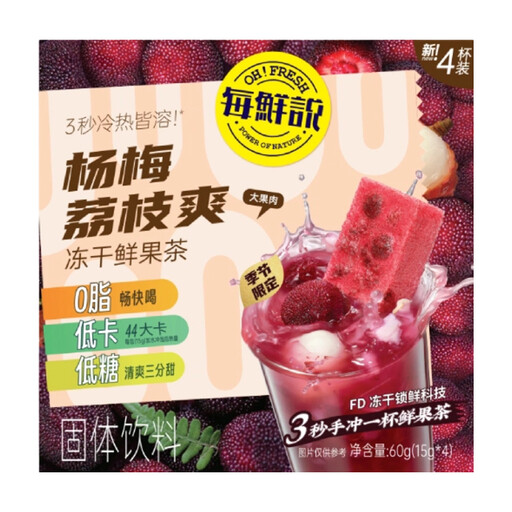
Why This Fits Their Persona: For those who want to buy Asian drinks online and explore unique flavours, this tea is a perfect entry point. It combines lychee with the more unusual Yangmei (Chinese bayberry), offering a taste profile not commonly found in UK supermarkets.
Many imported "exotic" drinks are loaded with sugar. This product delivers authentic flavour with a very low calorie count (15 kcal per 100g prepared) and uses real freeze-dried fruit pieces.
Features a unique fruit combination (Yangmei and Lychee). The freeze-dried format preserves the authentic taste and is highly convenient.
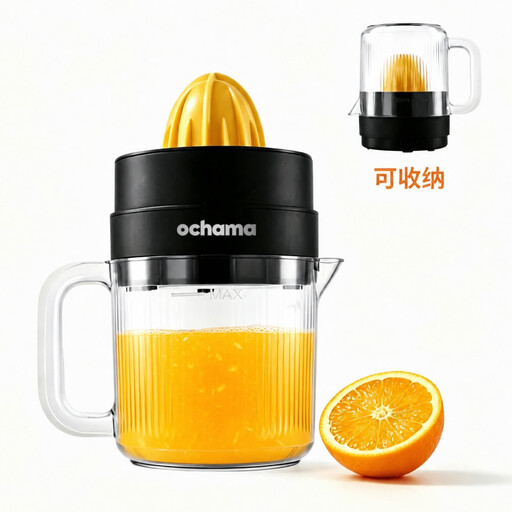
Why This Fits Their Persona: For those who prioritise ultimate freshness and want full control over their juice, an electric press is the ideal tool. It allows you to make fresh orange, lemon or grapefruit juice at home, with no additives, preservatives or hidden ingredients.
This completely bypasses all the pitfalls of pre-packaged drinks. You control the quality of the fruit, the sweetness, and the pulp level. There is no risk of hidden sugars or misleading labels.
The bladeless press design is safe for family use, and the removable parts make it easy to clean. It offers a high juice extraction rate to get the most from your fruit.
We have compiled a complete, real-time list of products that fully satisfy these strict selection criteria and UK safety regulations.
Not necessarily. Both can be 100% juice with no added sugar. The primary difference is the processing. 'From concentrate' means water is removed for efficient transport and then re-added, which can cause a very slight change in flavour. 'Not from concentrate' (NFC) is typically just pasteurised and bottled. The most important thing is to check the ingredients list for added sugars or preservatives, which can be present in either type.
Prioritise drinks that are labelled "school approved," as these often meet specific nutritional guidelines. The key is to find options with no added sugar, artificial sweeteners or colours. A blend of pressed juice and water is often a good choice as it reduces the overall sugar concentration. Always check the portion size on the carton to ensure it is appropriate for a child.
They can be a very convenient and flavourful alternative. The freeze-drying process is effective at preserving the natural taste of the fruit. These products are often very low in calories, especially when made with natural, zero-calorie sweeteners like stevia. Their instant nature makes them ideal for use at the office, while travelling or for anyone wanting a quick, refreshing drink without the fuss.